
Experience is important in almost every industry, but in brow correction it carries a different kind of weight. It is not simply a desirable quality layered on top of talent. It is the element that allows talent to become dependable. In correction work, that distinction matters profoundly, because the client is not arriving with untouched skin and open possibilities. They are arriving with history. They are arriving with color that has shifted, structure that has softened, pigment that may have layered over time, and tissue that has already been through previous decisions. What looks straight forward at first glance is often far more complex beneath the surface, and this is precisely why experience matters more here than almost anywhere else. Even if your brows seem difficult to fix, eyebrow tattoo correction may offer more options than you realize. It turns what would otherwise feel uncertain into something interpretable, structured, and far more predictable.
That predictability does not come from guesswork, and it certainly does not come from confidence alone. It comes from pattern recognition. One of the most valuable things experience builds in a correction artist is the ability to look at a case and know, almost immediately, that they have seen this kind of pigment behavior before, this kind of density before, this kind of old structure before, this kind of healing pattern before. That is a very different position from simply thinking something looks familiar. It is the difference between assumption and recognition. And in correction, recognition is everything. It allows the artist to move out of theory and into practical judgment, which is where better outcomes begin. Experience matters because correction decisions are not interchangeable; our guide to eyebrow tattoo redos, refreshes, and revisions explains how the right solution changes according to the condition of the existing work.
This is one of the reasons correction should never be confused with standard brow work. A fresh case on untouched skin asks the artist to create. A correction case asks the artist to interpret, adapt, and rebuild while respecting what is already there. The level of decision-making is fundamentally different. The artist is not simply deciding what would look beautiful in an ideal setting. They are deciding what can be improved intelligently within existing limits, how color is likely to behave, what kind of pacing the skin will tolerate, and how to create progress without adding new complications. That kind of thinking is not beginner-level work. It is developed through repetition, observation, and the discipline of learning from what has already happened many times before.
Every correction case is different, but the patterns inside them repeat. Blue brows, grey brows, red brows, orange brows, brows that have become more solid over time, brows that have lost crispness, brows that carry multiple layers of prior work, brows sitting in skin that has already been worked repeatedly—these may appear unique to the client experiencing them, but they are not unique to an experienced correction artist. This is why experience builds something so valuable. It reduces the need to guess. It reduces the temptation to oversimplify. And it allows the artist to identify what matters quickly without overlooking the variables that less experienced hands might miss. That is the first place where experience changes the entire quality of the process. The person evaluating your brows should have the technical judgment of an eyebrow tattoo correction specialist, not just experience performing new procedures.
Clients often think of experience as a general trait, something reassuring but somewhat abstract. In correction, it is not abstract at all. It shows up in the speed and precision of analysis, in the quality of questions asked before treatment begins, and in the artist’s ability to distinguish between what is merely visible and what is actually structurally important. This is why an experienced artist does not simply react to what the brow looks like in the mirror. They begin asking deeper questions. What pigment is sitting underneath this tone? How old is the work? How many times has the skin been treated? Has the shape changed because of fading, because of layering, or because of both? Has the brow become more solid because the original structure softened over time, or because more pigment kept being placed over the same areas? These are not cosmetic questions. They are structural ones, and structure is what correction lives on.
Within a strong correction content archive, this is exactly why pages like Why Color Changes in the Skin Over Time, Why Microblading Turns Grey Red Orange, and Difference Between Bad Brows and Old Pigment matter so much. They are not simply educational add-ons. They reveal the way an experienced correction practice thinks. They show that the work is not being approached emotionally or cosmetically alone, but analytically. And that analytical quality is one of the clearest signs that experience is present.
How Experience Improves Color Assessment, Depth, and Structural Judgment
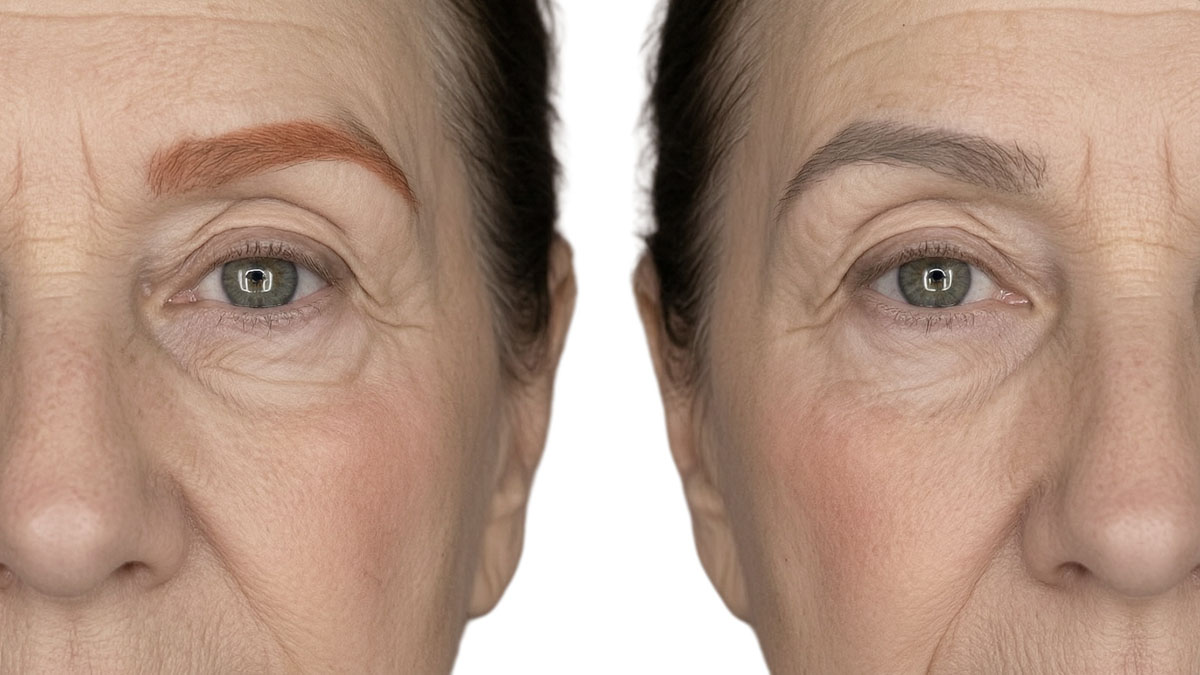
Color assessment is one of the clearest places where experience separates itself from surface-level skill. Color is not simply what appears on top of the skin. It is what has developed within it. An inexperienced eye may describe a brow in basic terms—too dark, too warm, too cool, too solid—while an experienced eye begins reading what created that appearance and what it will mean for the next step. That difference is critical. Because in correction, the goal is not merely to respond to color visually. It is to understand what the color is telling you. An experienced artist knows that pigment behavior is rarely random. There are reasons brows turn grey, reasons they begin to read red, reasons they move blue or orange, reasons they appear more compact and solid over time. Understanding that takes repetition. It takes time in the treatment room, time in healing observation, and time watching how different decisions settle months later.
The same is true of depth. Depth control is one of the least glamorous, most essential forms of expertise in this category. Too deep, and color can shift in ways that create long-term correction issues. Too shallow, and the result may heal inconsistently or fade in a way that compromises the overall structure. Learning that balance does not come from theory alone. It comes from repetition. It comes from seeing what happened after the treatment, not just during it. It comes from understanding how skin responds differently, how prior work influences placement, and how subtle changes in execution can alter the final result. That is why experience matters so much here. It refines control, and control is what allows correction to be handled intelligently rather than aggressively.
Structure is another area where experience becomes immediately visible. In standard brow work, building shape is one type of task. In correction, integrating shape with what is already there is an entirely different one. The artist is not starting from a blank canvas. They are negotiating with existing architecture. That might mean working around old lines that still influence the visual read of the brow, balancing pigment that has softened beyond its original edges, or rebuilding a more elegant direction without pretending the old work does not exist. An experienced correction artist understands that structure is not simply where a new brow should sit. It is how the existing brow can be guided toward something more refined without creating visual conflict. That requires restraint, control, and the ability to think in stages rather than moments.
Experience also reduces mistakes, not because experienced artists are perfect, but because they have already encountered the consequences of earlier misjudgments and learned from them. This is one of the quietest but most valuable realities in correction. Experience is, in many ways, a collection of highly specific lessons about what not to repeat. That may not sound glamorous, but in a category where small miscalculations can compound over time, it is extraordinarily valuable. The experienced artist is not operating from untouched confidence. They are operating from refinement. They know where the process can become too aggressive, where density can become too heavy, where the pace needs to slow down, and where restraint will serve the client better than action. That level of judgment is what creates safety inside complexity.
Why Experience Creates Better Planning, Better Timing, and Better Decisions
One of the most overlooked benefits of experience is not that it makes decisions faster, but that it makes them better. Brow correction is full of variables: skin type, pigment depth, previous technique, healing history, old structure, density, client expectation, and the visual effect of everything layered together over time. A less experienced artist may see many of these variables, but not know which ones matter most. An experienced artist identifies them quickly and places them in order. That is what allows the plan to feel structured rather than improvised. The value is not speed for its own sake. It is discernment. It is the ability to separate what is urgent from what is merely visible, and what is possible now from what will require more time.
Timing is one of the clearest places where this matters. Experience improves not only the ability to know what to do, but when to do it, and just as importantly, when not to. In correction, restraint is a learned skill. There are times when doing less creates a better long-term result than doing more. There are moments when pausing between stages protects the outcome rather than delaying it. There are cases where the smartest move is not the most aggressive move, and where giving the skin time to settle leads to a better visual direction later. That kind of restraint is difficult to teach in theory because it is rooted in what the artist has seen before. It grows through repetition, through healed results, and through watching how the process evolves beyond the appointment itself. In some cases, the brows only need renewed color, while others require a corrective plan; understanding whether you need a refresh or a correction prevents another unnecessary layer of pigment.
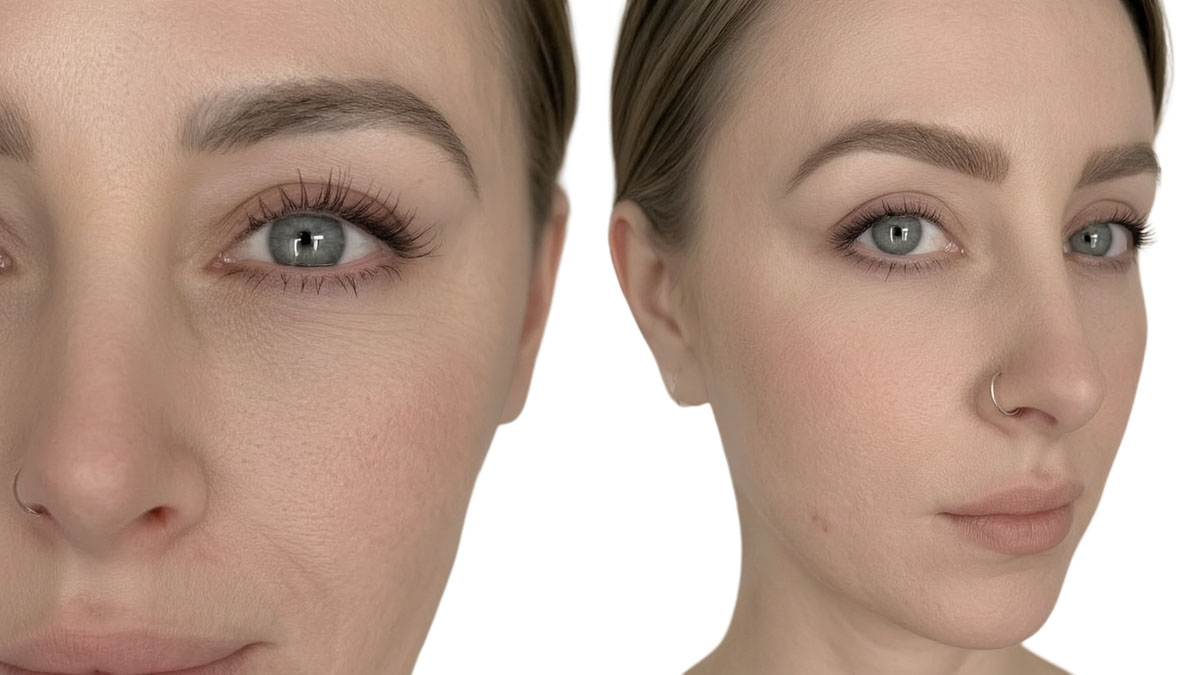
This is one of the reasons correction should never feel experimental. It should not feel like “let’s try this and see.” It should feel structured. It should feel like there is a plan, even if that plan needs to adapt as the skin responds. That is why pages like What Most People Get Wrong About Fixing Their Brows and Why Eyebrow Correction are so important inside a correction-driven site. They prepare the client for the reality that good correction is built, not rushed. And that preparation itself becomes part of the luxury experience, because clients feel calmer when the pacing is explained rather than hidden.
Communication is another place where experience becomes unmistakable. An experienced artist explains clearly not because they are trying to impress the client, but because they understand the work deeply enough to simplify it accurately. That is a very different kind of communication from polished reassurance. It has precision. It has sequence. It makes the process feel navigable rather than vague. This matters because clarity is one of the strongest signals of expertise in correction. When an artist can explain why something has shifted, why a previous result behaves the way it does, why a slower plan may be wiser, and what should be expected over time, the client feels something very important: not just hope, but predictability. It is equally important to distinguish between improving existing work and beginning again, which is why we explain the difference between a brow redo and a true correction.
And predictability is everything in correction. It is what turns “I hope this works” into “I understand what to expect.” It is what transforms a case that might otherwise feel emotionally charged into something grounded and manageable. This is also where internal resources like How to Find a Real Eyebrow Correction Artist and Questions to Ask Before Booking Brow Correction become powerful because they reflect the kind of thinking an experienced practice actually uses. They show that experience is not being hidden behind a portfolio. It is being translated into clarity the client can actually use.
When a client chooses an artist for correction, they are not choosing talent alone. They are choosing experience. They are choosing pattern recognition over guessing, judgment over performance, restraint over impulse, and planning over improvisation. Because in brow correction, experience is what turns uncertainty into predictability, and predictability is what allows the client to feel safe in the process from the very beginning.
Why Experience Changes the Outcome Before the Procedure Even Begins
We have now established why experience matters on a technical level, Now that truth becomes even more practical. Because the impact of experience in correction is not limited to pigment, shape, or healing behavior. It affects the entire atmosphere of the process. It changes how a case is assessed before booking, how expectations are set, how risks are explained, how pacing is chosen, and how confidently an artist can guide the client through the stages ahead. In other words, experience is not simply what improves the hand. It is what stabilizes the entire environment around the work.
This is one of the reasons correction can feel so different in the presence of a truly experienced artist. The difference is not always loud. It is often quiet. The consultation feels measured instead of vague. The explanation feels structured instead of improvised. The client leaves with more understanding than they arrived with, not less. And that matters, because in a category where many clients are already carrying disappointment, fear, or hesitation from prior work, emotional steadiness is not an extra. It is part of the service itself. Experience is what makes that steadiness possible.
An experienced correction artist understands that assessment begins before technique. They know that photographs matter, history matters, previous treatments matter, and that none of these details are administrative. They are part of the plan. The artist is already reading density, undertone behavior, old structure, likely healing patterns, and the visual effect of what is present in the skin before the appointment ever begins. That is a very different approach from someone who treats consultation as a quick prelude to the real work. In correction, consultation is part of the real work. It is where predictability begins.
This is why experience improves not just execution, but decision-making under pressure. Not everything goes exactly as planned in correction, because skin is still skin, history is still history, and every case still contains variables. But when something unexpected appears, experience is what guides the adjustment. It prevents hesitation from turning into poor decisions. It allows the artist to adapt in real time without losing the structure of the overall plan. That is the kind of control clients often feel but cannot always name. It is the difference between an artist who freezes, one who guesses, and one who adjusts with calm precision because they have encountered similar moments before.
How Experience Builds Restraint, Consistency, and Calm Confidence
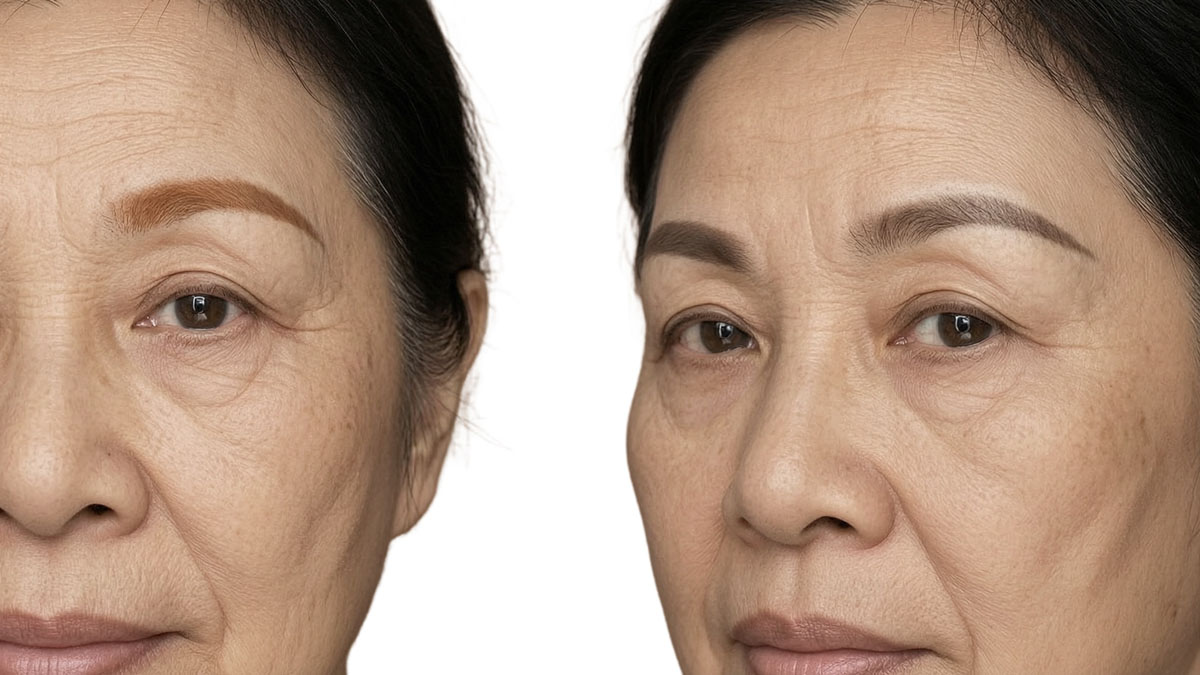
One of the most underestimated qualities experience builds is restraint. In a results-driven industry, there is often pressure to do more, faster, and with greater visual drama. Correction does not reward that mindset. In many cases, doing less at the right time creates a stronger result than doing more at the wrong time. Knowing when to stop, when to pause, when to allow a stage to settle, and when not to overbuild is one of the clearest signs that experience is present. Restraint is not hesitation. It is control. And control is one of the most elegant forms of expertise this category can offer.
This is also where experience becomes visible in planning. Planning is not simply deciding what to do. It is deciding when to do it, how to space it, how much to build at each stage, and how to create progress without overwhelming the skin. That is why experienced correction tends to feel calmer. The artist is not reacting emotionally to what is visible. They are building methodically toward a result that will make sense not just immediately, but later. This kind of pacing often feels quieter than clients expect, but it is exactly what produces more consistent outcomes over time.
Consistency, in fact, is one of the strongest proofs of experience. Beautiful, isolated results can come from talent. Consistent results across different clients, different histories, and different challenges come from experience. This is where the gap between surface-level impressiveness and real mastery becomes obvious. Because consistency is not luck. It is not branding. It is not a perfect photograph. It is the result of repeated pattern recognition, repeated decision-making, repeated observation, and repeated refinement. It is what happens when the artist has seen enough to know what matters, what to avoid, and what kind of pacing leads to more predictable results.
This is why correction cannot be rushed. Experience cannot be shortcut. It cannot be manufactured through language. It is built through time, repetition, and reflection. It is built through seeing the same categories of problems unfold in different forms and learning how to read them with more precision every time. This is also why pages such as Why Most Artists Won’t Fix Old Microblading and Why Eyebrow Correction Is a Different Skill Not Every Artist Can Do It resonate so strongly. They say something many clients already sense intuitively: correction is not beginner-level work, and not everyone offering it is standing on the same level of experience.
There is also something profoundly reassuring about calm confidence, and calm confidence is usually a byproduct of repetition. It is not loud. It does not need to oversell. It does not rely on grand promises. It is structured, specific, and measured because the artist has already seen enough to know that real expertise rarely needs performance. That kind of confidence creates trust far more effectively than theatrics ever could. Clients feel safer when the person guiding them sounds like they understand the road ahead, not like they are trying to impress them into agreement.
Why Experience Is Ultimately What Makes Correction Feel Safe
At its highest level, experience is what turns uncertainty into predictability. That is what makes it so valuable in correction, and that is why it matters more here than anywhere else. The client is not simply choosing an artist with aesthetic ability. They are choosing the level of experience that will define the quality of decisions, the quality of planning, the quality of restraint, and the quality of the outcome itself. Because quality in this category is not the result of optimism. It is the result of judgment.
This is one of the reasons long-term thinking matters so much in correction education. When a client understands why brows soften, why density changes, why color shifts, why structure becomes more solid over time, and why repeating the same approach can change a result rather than preserve it, they begin to understand why experience is so decisive. Pages like Why Your Brows Look Different Years Later, Why Your Brows Look More Solid Over Time, and Can You Keep Getting Microblading Forever reinforce that this is not a category where short-term beauty alone is enough. The work has to make sense over time, and experience is what allows that long-term logic to exist.
It is also what allows the client to feel something that is incredibly important in correction: safety. Not safety in the dramatic sense, but in the practical sense. The feeling that the case is being understood. The feeling that the variables have been noticed. The feeling that the plan has shape, that the stages make sense, and that nothing crucial is being left to chance. When clients say they want to feel confident before correction, this is often what they mean. They want to feel that the process is being held by someone who has been here before.
That is what experience provides. It does not eliminate every variable, but it makes those variables far more navigable. It replaces guessing with recognition, reaction with planning, and uncertainty with structure. And when correction is done properly, that structure becomes visible in everything—the consultation, the communication, the pacing, the healed outcome, and the client’s emotional experience from beginning to end.
So when choosing an artist for correction, talent alone is never the full question. The real question is how much experience is sitting behind that talent, how much pattern recognition sits behind the explanation, and how much repetition sits behind the calm confidence being offered. Because in brow correction, experience is not just one factor among many. It is the factor that allows everything else to become trustworthy. If you’ve had previous permanent makeup performed elsewhere, schedule an eyebrow correction appointment so we can discuss the best path forward for your unique case.
And that is the real takeaway. Experience is what turns complexity into something manageable. It is what turns uncertainty into predictability. It is what allows the client to move from “I hope this works” to “I understand what to expect.” In a category where the skin already carries history, that shift is not small. It is everything.