

One of the biggest misunderstandings in this industry is not actually about pigment. It is not even about technique at first. It is about thinking.
Because what most people get wrong about fixing their brows is this:
they assume if something worked before, it should just be done again.
That sounds logical on the surface. You found an artist you liked. She did your brows once. Then again. Then again. You trusted her. The brows looked good in the beginning. So naturally, the thought becomes:
“Why not just repeat the same thing?”
And that is exactly where a lot of people slowly get into trouble.
Not because there was one terrible appointment. Not because someone suddenly made one dramatic mistake. Usually, nothing shocking happened.
It was repetition.
The same process, repeated too many times, on a canvas that had already changed.
If you understand what a real correction actually is, this makes a lot more sense. Correction is not repeating. Correction is reassessing.
Why This Gets So Confusing
This is such a confusing place for clients to be, because often they still like their artist. They trust her. They may even feel guilty questioning the result because the artist did good work for them before.
So now the client is thinking:
- “But I trust her.”
- “She did a good job before.”
- “Why does this feel different now?”
And the answer is usually not obvious because there was no single dramatic turning point. There was no one giant disaster. There was no smoke alarm going off in the treatment room.
What happened was gradual.
The same approach kept being used on skin that was no longer fresh.
And once pigment is already in the skin, the canvas is not clean anymore. That changes everything.
You Are Not Refreshing It — You Are Building on Top of It
This is one of the biggest mindset shifts people need to understand.
When old pigment is already there and the exact same technique is repeated again and again, you are not truly “refreshing” the brows.
You are building on top of them.
And over time, that creates something very different from the original result.
Instead of:
- soft
- natural
- airy
You start to get:
- solid
- dense
- heavier-looking brows
Not in the soft, elegant powder brow way either. More in the “why do these suddenly look like tattoo brows?” way.
And that is often the moment clients start to feel like something has gone wrong.
But again, nothing suddenly went wrong. The issue was that the same method kept being repeated without adjusting for what was already sitting in the skin.
This is one of the reasons I explain that old microblading can often be corrected without removal — but only when someone stops treating it like fresh work and starts treating it like existing pigment.
Fixing Brows Is Not About Repeating the Same Process
This is the core issue.
What most people get wrong about fixing their brows is that they think “fixing” means doing more of the same thing that was done before.
It doesn’t.
Fixing brows is not about repeating the same technique. It is about:
- understanding what is already there
- adjusting the approach
- making decisions based on the current canvas
That is the difference between simply doing another treatment and actually performing a correction.
Correction Thinking Starts with a Different Question
When I look at brows that have been done multiple times, I am not thinking:
“Let’s do it again.”
I’m thinking:
“What’s already here?”
And even more importantly:
“What should not be touched?”
That is a correction mindset.
Because correction is not about adding more for the sake of doing something. It is about adjusting what already exists in a way that improves the brow instead of making it denser, heavier, and harder to control later.
Why the Technique Has to Change
Once the brows have been layered several times, the technique cannot stay the same.
You do not just keep throwing more of the original method at the problem and expect a better outcome. That is like trying to fix an overwatered plant by giving it more water and a motivational speech.
At that point, the approach has to become:
- more controlled
- more targeted
- more intentional
Often, this means I am working with a single needle and integrating pigment through and around the old work instead of simply sitting new pigment on top of it.
The goal is no longer “build more.”
The goal is blend, rebalance, and integrate.
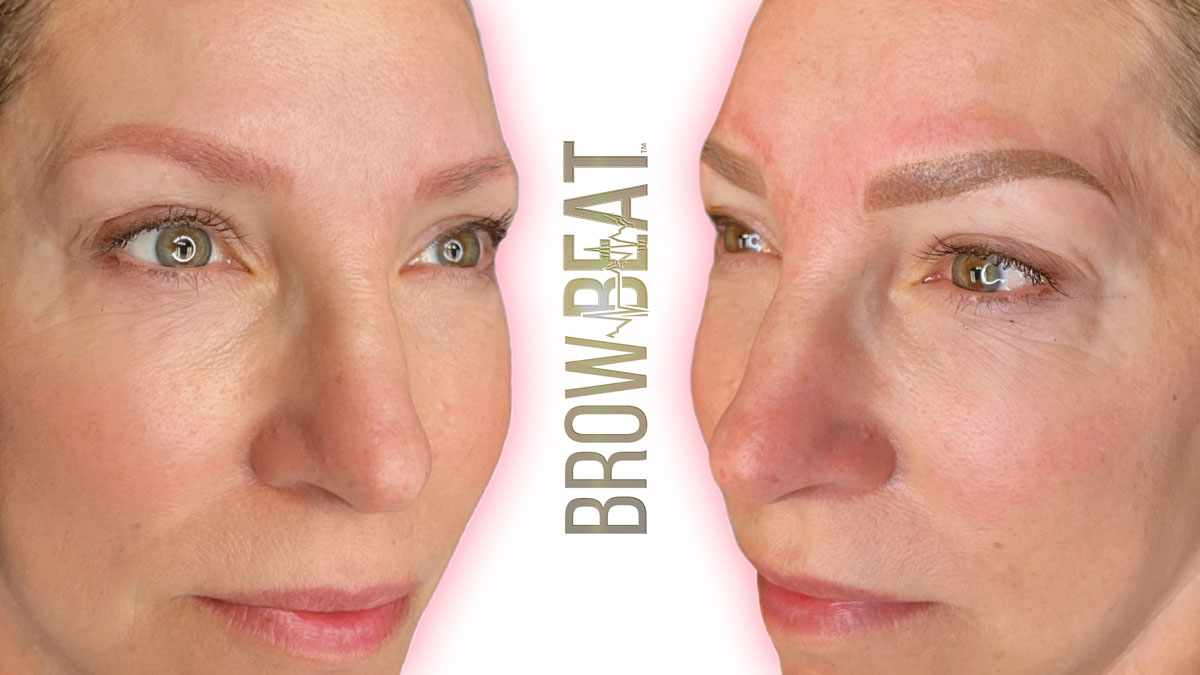
That is what creates a completely different result. The brow starts to feel softer, more natural, and more balanced again instead of denser and more tattoo-like.
This is part of the same logic behind why old eyebrow tattoos can be worked with again — but not by using the same outdated method that created the problem in the first place.
Not All Artists Think Like Correction Artists
This is another thing people get wrong.
They assume all brow artists think about old pigment the same way.
They do not.
Most artists are trained to create brows on clean skin. That is what they know. That is what they practice most often. That is what they repeat. And many of them are very good at it.
But correction requires a different type of thinking entirely.
You have to be able to analyze:
- existing pigment
- existing density
- existing tone
- healed behavior over time
That is not the same thing as applying pigment to a clean canvas.
This is why some clients stay stuck in a cycle. They keep getting more of the same because they are going back to someone whose skill set is still built around creating, not correcting.
And that is exactly why there are major gaps in how correction is understood in the industry. A lot of artists simply are not trained to think this way yet.
Layering Without Correcting Is One of the Biggest Problems
Another huge misunderstanding is around color.
Many people still think:
“Can’t you just put brown over it?”
No.
Because color does not cover color. It blends.
So if something has gone:
- grey
- blue
- warm
- off in tone
And someone places brown over it without correcting anything first, that is not actually a correction. It is just a different version of the same problem.
That is why some people say they have had their brows redone multiple times but never really feel like they improved.
What has been happening is:
layering without correction.
This is why understanding why microblading turns grey, red, or orange matters so much. Once you understand pigment behavior, you stop expecting brown to magically erase everything underneath it.
Why Price and Convenience Can Lead People the Wrong Way
People also get price wrong.
If something feels:
- very cheap
- very quick
- very easy
You have to ask:
“What am I actually getting?”
Because what you are paying for in brow correction is not just the appointment itself. You are paying for:
- judgment
- pattern recognition
- decision-making
- long-term protection of the result
Brow work is not a one-time event. It is a long relationship with pigment in your skin.
And if that relationship is not evolving, adjusting, and improving as the canvas changes, you can easily end up right back where you started — or worse.
That is how people fall into what I call the brow cycle:
- new artist
- new attempt
- same outcome
And then it repeats until someone finally says, “We need to do this differently.”
Social Media Has Distorted Expectations
Social media also plays a huge role in what people get wrong.
You see:
- before and afters
- one-session transformations
- perfect lighting
- perfect angles
And it creates the illusion that everything can be fixed instantly.
But what you are not seeing is:
- how it heals
- how it settles
- what it looks like weeks later
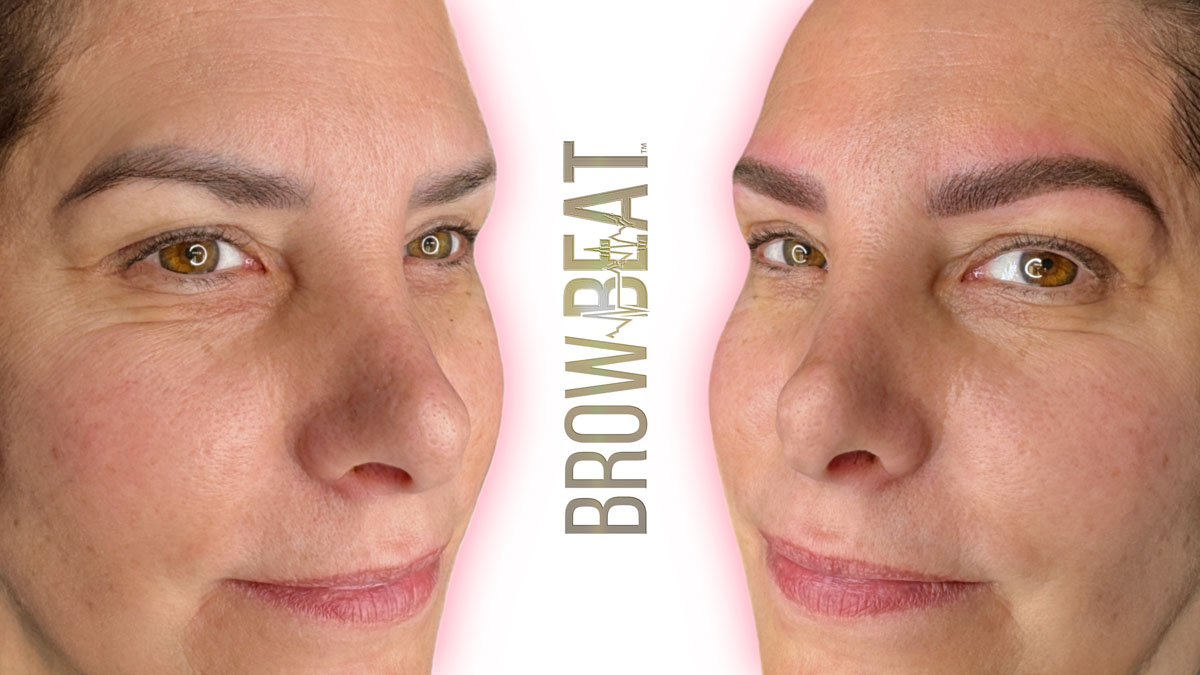
Correction does not reveal its full result on day one. It reveals its result after healing, after adjustment, and after the process has had time to unfold.
So when people come in expecting instant perfection, they are usually measuring reality against a highlight reel.
That is not a fair comparison.
Depth Changes Everything Too
Another thing people overlook is depth.
If pigment is placed:
- too deep
- too heavy
It holds:
- stronger
- darker
- longer
Which also makes it harder to adjust.
If pigment is placed more shallowly and more carefully, it tends to fade softer and stay more workable over time.
So when I am correcting something, I am never only looking at color. I am also looking at:
- how it was placed
- how it healed
- what that placement means for the future
This is part of why repeated layering eventually catches up with people. The canvas becomes less forgiving.
Why Rushing Makes Things Worse
People naturally want:
- quick fixes
- immediate results
- fast solutions
But correction requires:
- patience
- planning
- discipline
Not urgency.
The moment you rush, you increase the chance of:
- overworking the skin
- overloading the pigment
- and making the next stage harder to correct
That is why I am never thinking, “How fast can I fix this?”
I am thinking:
“How well can I fix this?”
Those are very different questions, and they lead to very different outcomes.
The Real Shift People Need to Make
When people do not understand the process, they make decisions based on:
- convenience
- price
- speed
Instead of:
- outcome
- longevity
- stability
That is how they end up repeating the same cycle.
So if you are trying to fix your brows, the better question is not:
“Who can do this quickly?”
It is:
“Who understands how to do this properly?”
Because proper correction requires:
- structure
- planning
- a clear process
Not shortcuts.
Final Thought
What most people get wrong about fixing their brows is not that they made a terrible decision on purpose. It is usually that they did not have the right information.
They did not realize that:
- repeating the same thing is not the same as correcting
- layering can make things heavier
- color cannot simply be covered
- and quick solutions often create longer problems
Once that understanding changes, the outcome changes too.
Because now you are no longer chasing a fast result.
You are building the right result.
And that is the difference between temporary improvement and long-term success.
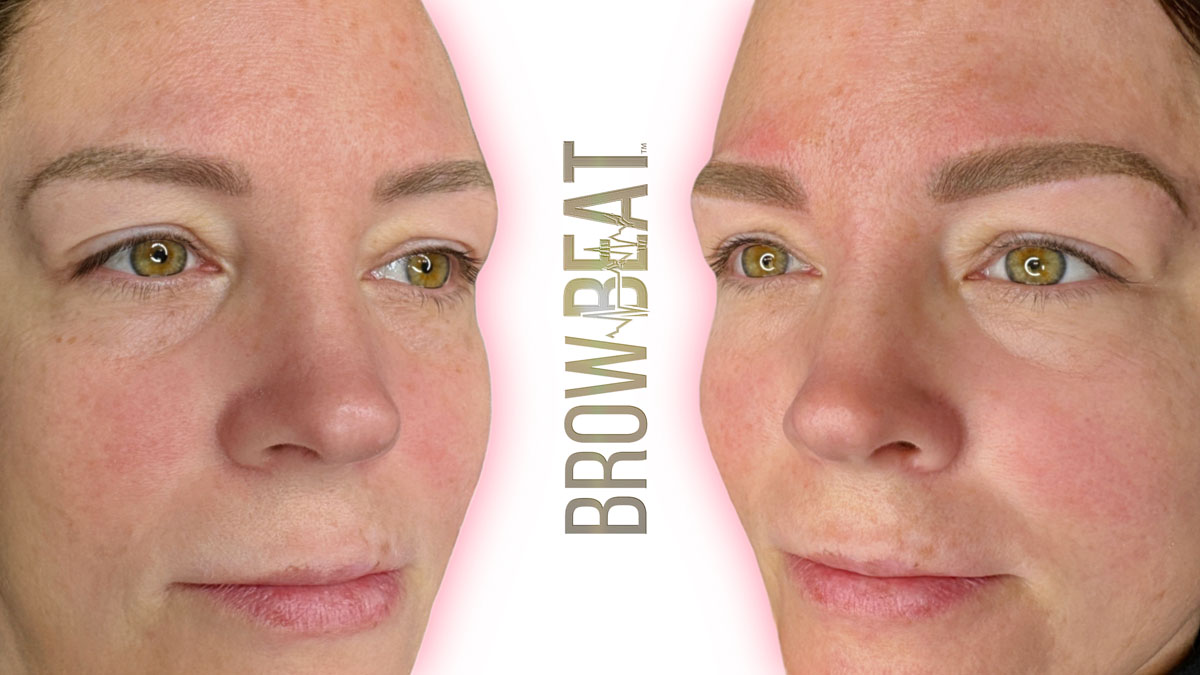
If you want to see what real correction results look like when the process is done properly, you can view the gallery here. And if you are ready to discuss a more structured plan for your brows, you can book an appointment here.