
There is a very specific moment that almost every client experiences, yet very few are prepared for it. It doesn’t happen right away. It doesn’t happen in the first few months. It happens later—quietly—when enough time has passed for subtle changes to become noticeable. You catch your reflection in natural light, or in a mirror that shows a little more detail than usual, and something feels… different. Not dramatically wrong. Not alarming. Just unfamiliar enough to pause. The thought that follows is almost always the same: “These don’t look like they used to.”
There’s usually a calm confusion behind it. Not panic, but curiosity. A quiet questioning of what changed, and why. And this is where everything begins to shift. Because in most cases, nothing went wrong. Time happened.
Brows Are Not a Fixed Result
One of the most important truths to understand is that brows are not static. They are not something that remains frozen exactly as they were on the day they were created. Brows live in skin. And skin is constantly changing—responding to age, environment, movement, and lifestyle. Every single day, your skin is evolving, whether you notice it or not. So, when pigment is placed into that environment, it becomes part of something dynamic. It is not sitting untouched beneath the surface. It is interacting with a living system.
This is why understanding long-term behavior matters more than focusing only on the initial result, especially when considering how different techniques perform over time, as discussed in microblading vs shading vs combo—what actually matters long term.
Your Skin Changes First
The first shift that occurs is not always the pigment—it is your skin. Over time, collagen naturally decreases. Elasticity softens. Hydration levels fluctuate. The structure that once held pigment tightly begins to behave differently. What once appeared crisp and sharply defined may now appear softer, slightly diffused, and more blended into the skin. This is not a flaw. This is maturity. And when the skin evolves, everything within it evolves as well.
Pigment Evolves With It
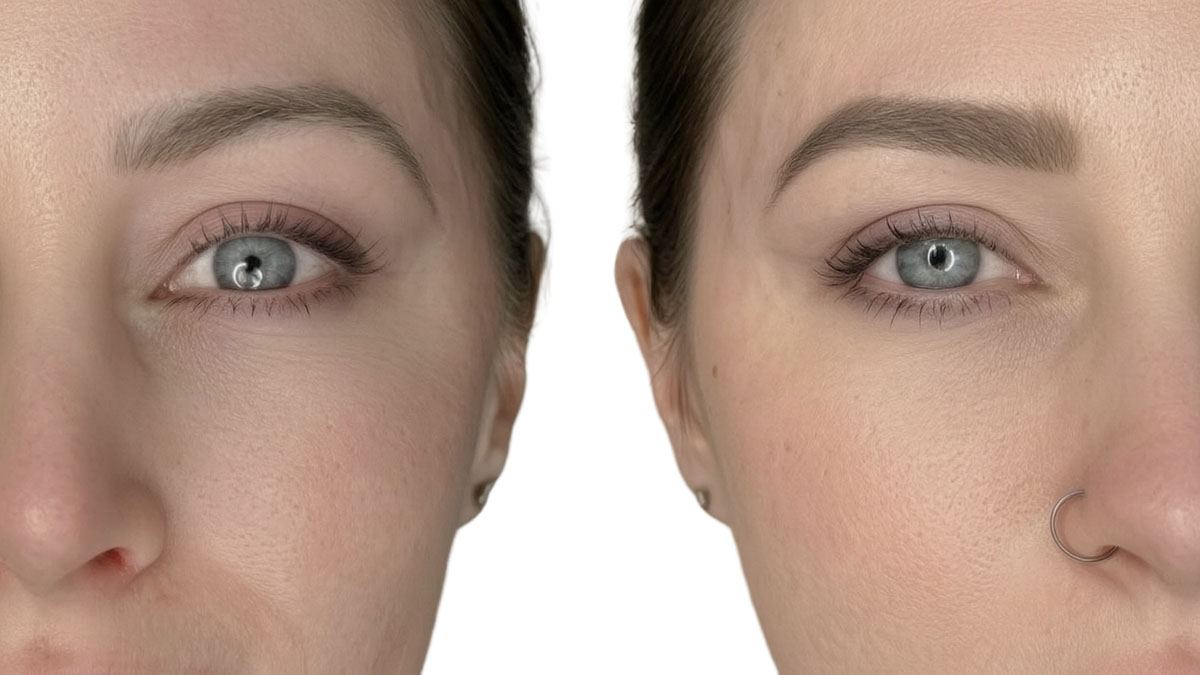
Pigment is not permanent in the way most people assume. It does not remain unchanged beneath the skin indefinitely. Instead, it gradually breaks down, disperses, and softens over time. What you are seeing years later is not the original placement—it is what remains after years of interaction with your body and environment. This is why tones can appear lighter, softer, or slightly different. It is also why understanding why color changes in the skin over time is essential when evaluating long-term results. Nothing has gone wrong. The pigment has simply moved through its natural lifecycle.
Movement: The Detail No One Talks About
Your face is in constant motion. Every expression, every conversation, every subtle movement contributes to how your skin behaves. Over time, this movement creates micro-adjustments in the skin that influence how pigment appears. Edges soften. lines diffuse. placement becomes less rigid. What once looked sharply defined begins to look more natural, more integrated, more lived-in. This is not damage. This is adaptation.
Environmental Influence Over Time
Even with excellent care, external factors play a role. Sun exposure gradually breaks down pigment. Skincare—particularly exfoliating acids and active ingredients—accelerates cell turnover. Lifestyle habits, including oil production and daily skin contact, all contribute to long-term change. Individually, these factors may seem minor. But over time, they accumulate. And what they create is not inconsistency. They create evolution.
Why Brows Can Appear More Solid Over Time
One of the most common observations clients make is that their brows appear more solid than they used to. This is not because more pigment has been added. It is because the original structure has softened and blended together. What once looked like individual strokes or defined placement begins to merge into a more unified appearance. This is a natural progression and is closely tied to what is explained in why your brows look more solid over time.
Again, this is not failure. It is transformation.

Not All Change Is Negative
This is where perspective becomes everything. When people notice change, they often assume something has worsened. But in many cases, what has happened is simply a shift—not a decline. Brows that soften can appear more natural. Edges that diffuse can blend more seamlessly with the face. A slightly lighter tone can feel more aligned with your current features. I often see clients who feel concerned, only to realize that their brows are still beautifully balanced. The structure is intact. The tone is harmonious. They have simply evolved.
The Role of Repetition Over Time
If you’ve had your brows done multiple times, each session adds pigment. Over time, this affects density, clarity, and overall structure. So what you are seeing years later is not just time—it is also cumulative work. This is why understanding can you keep getting microblading forever becomes important. Without a long-term plan, repetition can lead to buildup. With the right strategy, it leads to refinement.
Why Microblading Doesn’t Stay Crisp Forever
Another key realization for many clients is that microblading does not remain sharply defined forever. Strokes are placed into living skin. Over time, they soften, blur slightly, and integrate with the surrounding tissue. This is not a flaw in technique—it is the natural behavior of pigment over time. This process is explored further in why microblading doesn’t stay crisp forever and understanding it removes a significant amount of unnecessary concern. What you are seeing is not loss of quality. It is the natural transition from fresh to healed to long-term. Freshly healed brows rarely look the same several years later, particularly when pigment gradually fades and changes character over time.
From Confusion to Understanding
Once you understand all of these factors, something shifts. You stop reacting emotionally. You stop asking, “What went wrong?” Instead, you begin to ask, “What has changed—and why?” And that shift removes confusion completely. Because now, change is no longer unexpected. It is understood.

A Long-Term Perspective Changes Everything
Brows are not a one-time result. They are a long-term process. They evolve with your skin, your lifestyle, and your environment. They move with you through time. So instead of expecting them to remain identical, the focus becomes something much more refined: maintenance, adjustment, and control. This is where true confidence comes from—not from permanence, but from predictability.
The Truth About Time
There is one truth that brings everything together. Time will always play a role. No matter how skilled the artist is. No matter how well the brows were done. Time is part of the result. And once you accept that, everything becomes easier. You stop expecting something that never changes. You start working with something that evolves. And that is where brows become controlled, balanced, and consistently beautiful—because you are no longer surprised by change. You are prepared for it. As strokes soften, clients often begin noticing areas where one eyebrow ages differently than the other.
When Change Becomes a Decision, Not a Concern
Once you understand that change is a natural part of the process, something important happens. You stop reacting to your brows emotionally, and you start evaluating them more objectively. The question is no longer, “Why do they look different?” It becomes, “Do they still feel right for me?” And that is a much more powerful place to be. Because not all change requires action. Some changes are simply part of a healthy, expected evolution. Others are signals that it may be time to refine, adjust, or move forward with a more structured plan. Understanding the difference between those two is what creates confidence. Eventually some clients discover that their original work has simply evolved into a completely different type of correction case.
The Difference Between Normal Aging and True Correction Needs
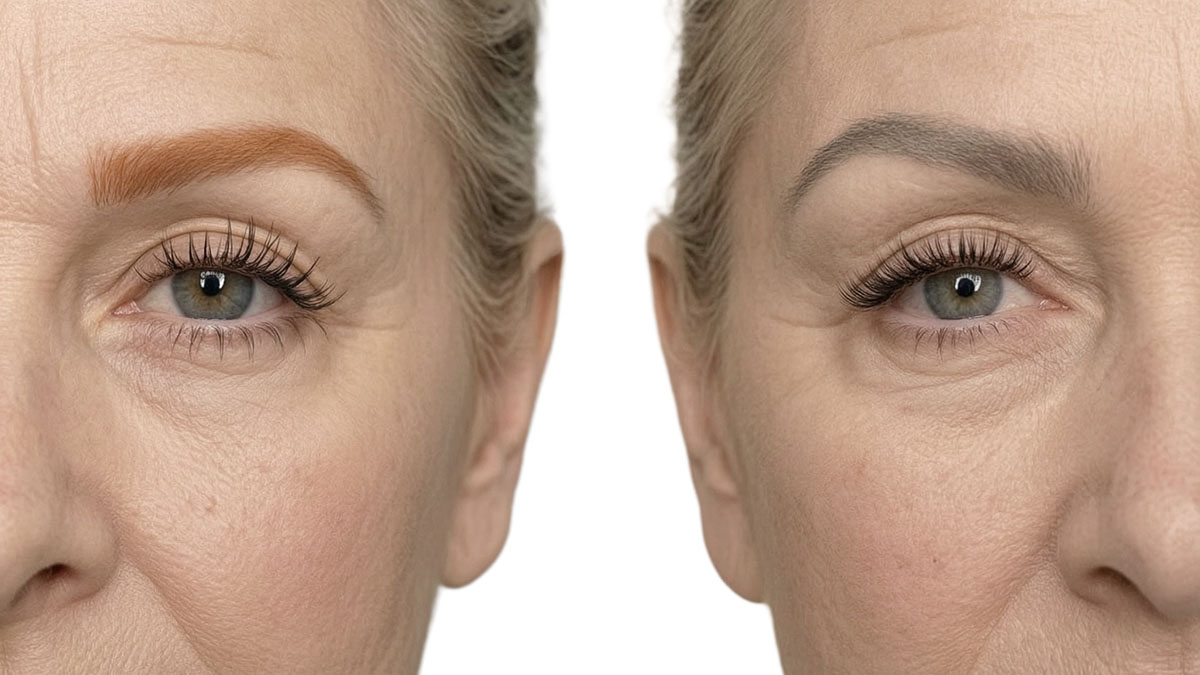
There is a clear distinction between brows that have naturally evolved and brows that require correction. Naturally evolved brows may appear softer, slightly lighter, or more blended. The shape is still balanced. The color is still wearable. They still feel like you—just a more relaxed version. Brows that require correction feel different. They may appear uneven in tone, inconsistent in structure, or disconnected in certain areas. Sometimes the color has shifted in a way that no longer complements the skin. Other times, repeated layering has created density that feels heavier than intended. This is where understanding the difference between bad brows and old pigment becomes essential. Because not everything that looks different is a problem.
Brows Need Corrective Guidance
Guidance means working with what is already there. It means understanding the existing pigment, respecting the skin, and making adjustments that bring everything back into balance. This is a very different approach from starting over. And it is why understanding options like can old microblading be corrected without removal is so valuable. Because often, the solution is not removal. It is refinement.
When It’s Time to Take the Next Step
There are moments when evolution moves into a space where action becomes beneficial. Not urgent. Not reactive. But intentional. This might look like softening areas that have become too dense, adjusting color that has shifted over time, or rebalancing structure so the brows feel aligned again. And this is where working with someone who understands long-term behavior becomes critical. Because the goal is not to add more. The goal is to do what is needed—and nothing more.
The Risk of Repeating Without Adjusting
One of the most common reasons brows begin to feel heavier or less refined over time is repetition without strategy. Repeating the same technique, in the same way, without considering how the brows have already changed, leads to buildup. This is why understanding why repeating the same technique changes results is so important. Because brows are not the same as they were during the first session. And they should not be treated as if they are. Each stage requires a different approach. Our complete guide to microblading correction explains why this happens and what can be done next.
The Role of a True Correction Artist
Not all artists approach brows with the same mindset. Some focus on creating a beautiful result in the moment. Others focus on how that result will behave over time. And then there are correction artists—who specialize in understanding what already exists and how to work with it. This is why resources like why eyebrow correction is a different skill not every artist can do it are so important. Because correction is not about creating something new. It is about solving what is already there.
Why the Right Approach Feels Different
When brows are handled properly, the experience feels different. There is less urgency. Less confusion. Less pressure to “fix” everything quickly. Instead, there is clarity. A clear understanding of what is happening. A clear plan for what comes next. And a clear sense of control over the outcome. This is the difference between reacting to your brows and managing them.

When Correction Is Not the Right Choice
It is also important to understand that correction is not always necessary. In some cases, the brows are still within a range that is balanced, wearable, and appropriate for the client. In these situations, doing more can actually create unnecessary complexity. This is why understanding when eyebrow correction is not the right choice is just as important as knowing when it is. Because restraint is part of expertise.
Moving From Uncertainty to Control
When you understand how brows evolve—and what those changes mean—you move into a completely different mindset. You are no longer reacting to what you see in the mirror. You are evaluating it. You are no longer asking, “Is this wrong?” You are asking, “What does this need?” And that shift is what creates confidence.
What Long-Term Brow Success Actually Looks Like
Long-term success with brows is not about maintaining the exact same look forever. It is about maintaining balance. It is about ensuring that as your skin changes, your brows continue to feel aligned with your face. It is about avoiding extremes—too heavy, too faded, too uneven—and staying within a range that feels natural and controlled. This is where true expertise shows. Not in creating something dramatic. But in maintaining something refined.
The Final Shift: Expecting Change, Managing It Well
At the beginning of this journey, change can feel unexpected. Later, it becomes something you understand. And eventually, it becomes something you anticipate. This is the final shift. You stop expecting your brows to stay the same. And you start expecting them to evolve. And when you expect that evolution, you manage it better. You make smarter decisions. You choose the right timing. You work with the right approach. And your brows continue to feel right—not just for where you were, but for where you are now.
Frequently Asked Questions
Is it normal for brows to look different after a few years?
Yes, this is completely normal. Skin changes, pigment softens, and environmental factors all contribute to how brows change over time.
Does a change in appearance mean something was done incorrectly?
No. In most cases, it simply reflects natural aging and pigment behavior rather than an issue with the original work.
Why do my brows look softer now?
Softening is part of the natural process. As skin matures and pigment disperses slightly, the appearance becomes more blended and less defined.
How do I know if I need correction or just a refresh?
If the shape and color still feel balanced, you may only need refinement. If the color or structure feels off, a more strategic correction approach may be needed.
Can old microblading be adjusted without removing it?
Yes, in many cases pigment can be corrected and balanced without removal, depending on its condition and depth.
How often should brows be maintained?
Most brows benefit from maintenance every 12–18 months, depending on how the pigment has aged.
What is the best way to keep brows looking good long-term?
Work with an artist who understands long-term behavior and approach maintenance with strategy.
When to Consider a More Strategic Approach
If your brows feel different years later, it doesn’t automatically mean something is wrong. But it may mean that a more strategic approach is needed moving forward. This could involve reassessment, adjustment, or a refined plan for future sessions. Understanding what a correction involves can help guide that decision.
Experience Shapes Long-Term Outcomes
Long-term results are not created by chance. They are created by decisions—made consistently over time. This is why experience matters more in correction than anywhere else. Because managing how brows evolve requires more than technique—it requires understanding.
Ready to take a long-term approach to your brows?
Schedule your appointment and plan for results that evolve naturally and beautifully over time.