
One of the most common things people say when they walk in is some version of this:
“I don’t like my brows anymore.”
And from there, the next thought usually comes fast:
“These are bad.”
But that is not always true.
And this distinction matters a lot, because the difference between bad brows and old pigment changes everything about how the brows should be approached.
If you understand that difference, you stop panicking and start making better decisions. If you don’t, everything starts to feel like a disaster when sometimes what you are really looking at is just aging pigment that needs the right adjustment.
If you are new to this whole topic, it helps to start with a clear explanation of what eyebrow correction actually is, because many people are using the word “correction” for situations that are actually just refreshes or aging pigment.
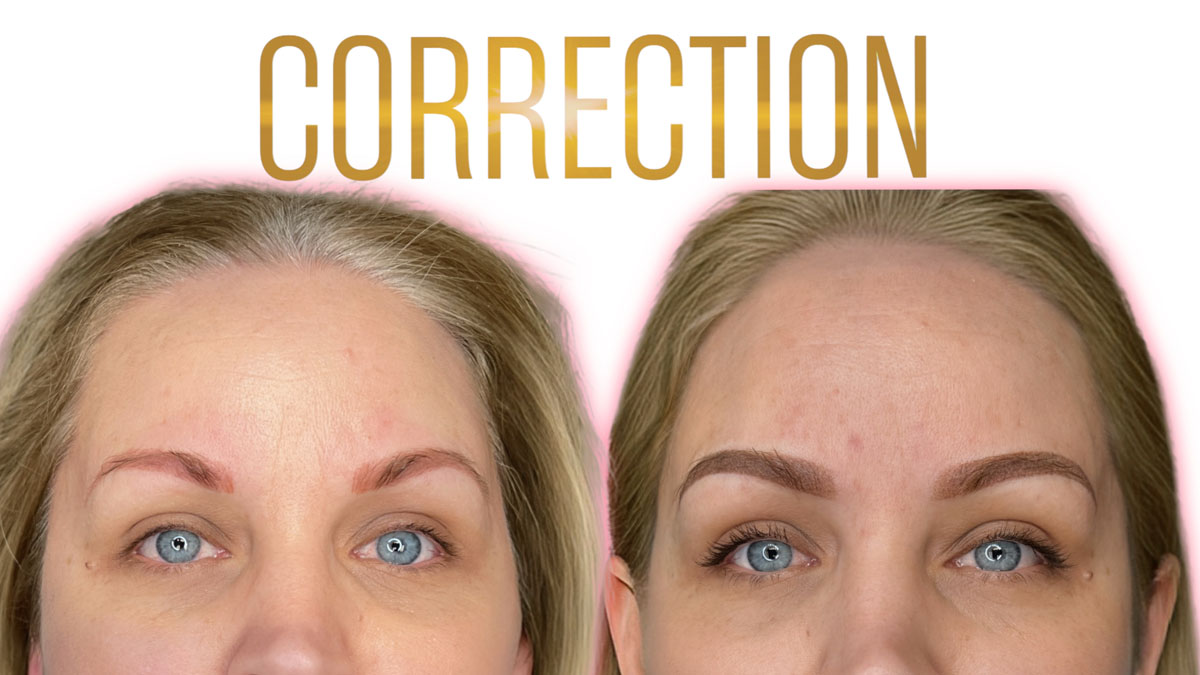
Why People Confuse the Two
To most clients, bad brows and old pigment feel like the same thing.
You look in the mirror, the result is not what you want anymore, and naturally the reaction is emotional before it is technical. Of course it is. It is your face. You see it every day. A change that looks small to an artist can feel very dramatic to you.
So there is often a disconnect.
You are thinking:
“This is bad.”
And I am thinking:
“This is aged.”
Sometimes those two overlap. Sometimes they don’t.
And that is exactly why assessment matters more than emotion in the beginning.
What Are “Bad Brows”?
When I use the term “bad brows,” I am usually talking about brows that are newer and structurally wrong.
That usually means one or more of the following:
- the shape is off
- the placement does not suit the face
- the fronts are too strong
- the brows are too close together
- the design is too thick, too high, or poorly balanced
- the depth is inconsistent
In other words, bad brows are usually a technique or design problem.
They often look wrong fairly early on. The client usually feels it quickly. It sounds like:
“I just had these done and I hate them.”
That is a different situation from someone saying:
“These used to look better, but over time I stopped liking them.”
Those are not the same conversation.
What Is “Old Pigment”?
Old pigment is usually something that once looked perfectly fine, or at least acceptable to the client, but over time it changed.
It softened. It faded. It shifted in color. It lost some definition. It no longer carries the fresh structure it once had.
That does not automatically mean it was badly done.
It means it aged.
And that is a very different thing.
This is the part that many people were never really taught. Pigment has a life cycle. Semi-permanent makeup is not “do it once and forget it forever.” It is pigment in skin, and skin is alive. It changes. Pigment changes. Everything evolves over time.
That is why old pigment is often a time issue, not a mistake issue.
If your brows have turned warmer, cooler, greyer, or softer over time, that is often just part of normal pigment aging. This is exactly why articles like why brows should be redone every 1–2 years matter so much. They reset expectations back to reality.
A Simple Way to Think About It
The easiest way to explain this is to compare it to something people already understand.
You get your nails done.
Week one: beautiful.
Week two: still good.
Week three: still hanging on, but we are starting to negotiate.
Week four: everyone knows it is time.
Brows are similar, just on a much longer timeline.
They are not “bad” just because they need upkeep. They are simply no longer fresh.
The problem is that people often interpret normal aging as failure, because no one told them that pigment changing over time is part of the deal.
The Responsibility Nobody Talks About Enough
When you get your brows done, there is upkeep involved.
They are not set-and-forget forever.
They require:
- maintenance
- refreshes
- good timing
- adjustment as the pigment changes
When that does not happen, brows become old pigment. And old pigment can start to look less defined, less even, and less flattering.
That still does not mean it was bad work in the beginning.
Sometimes it just means the brows stayed untouched for too long and moved past their best stage.
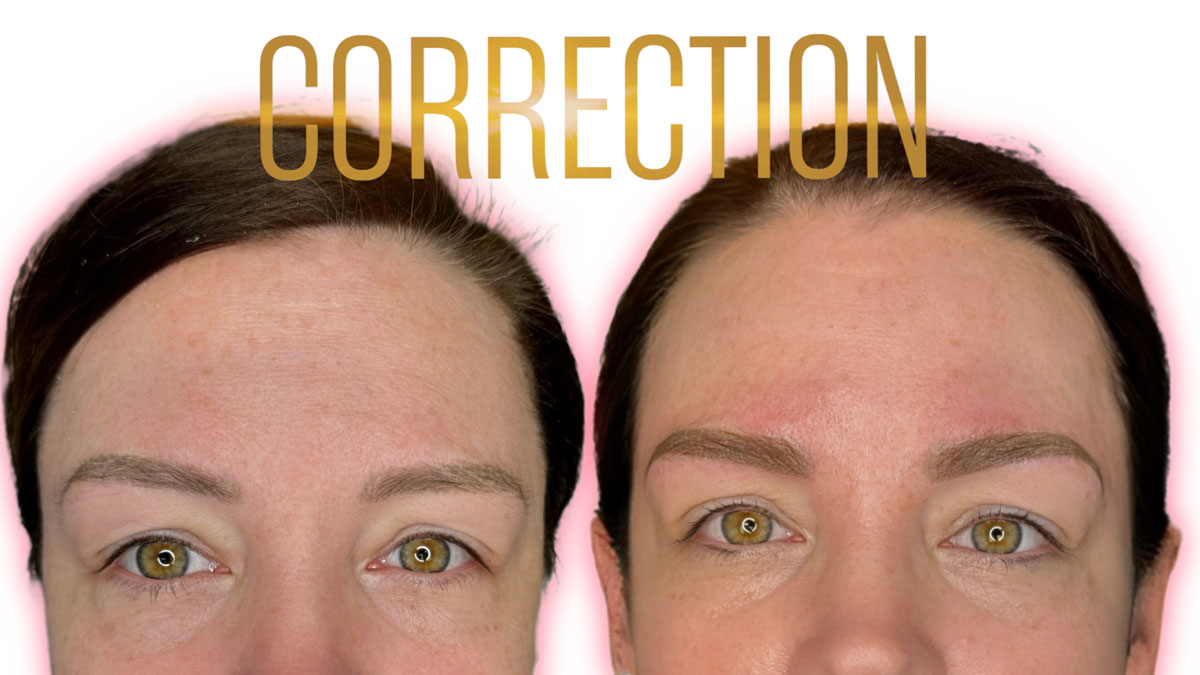
The Real Distinction
If I had to simplify it as much as possible, I would say this:
Bad brows are usually a technique issue.
Old pigment is usually a time issue.
That one distinction clears up so much confusion.
Because once you know which one you are looking at, the next step becomes much easier to identify.
- Bad brows usually need design correction, structural adjustment, and more deliberate reshaping.
- Old pigment usually needs refreshing, color balancing, and soft rebuilding.
That is why not every unhappy brow needs the same solution.
Why Emotional Perception Can Be Misleading
From the client side, it all feels like the same thing:
“I don’t like my brows.”
And that is valid.
But from my side, I have to separate:
- what happened
- what changed
- and what needs to happen next
Because your emotional reaction tells me how strongly you feel about it, but it does not tell me what the technical issue is.
Sometimes something that feels awful to you is actually very workable. Sometimes something that does not look that alarming on first glance is more complicated underneath.
That is why assessment matters more than opinion in the beginning.
Why Different Artists May Tell You Different Things
This is where clients get even more confused.
One artist says:
“This is bad.”
Another says:
“This just needs a refresh.”
And now you are left thinking:
“So what is actually going on?”
The answer is often perspective — and more specifically, experience.
If an artist has not seen years of healed results, different kinds of fading, and different types of pigment aging, a lot of older brows can look like a “problem” when in reality they are just normal aging.
This is one of the reasons why experience matters so much in correction. It changes how a brow is interpreted before a single thing is done to it.
What Truly “Bad” Brows Usually Look Like
When something is genuinely bad in the technical sense, there is usually a structural problem.
That can look like:
- the shape does not suit the face
- the brows are sitting too high or too low
- the fronts are too strong
- the brows are too thick or too compact
- the depth is inconsistent
- the work looks wrong even before time has really had a chance to age it
That usually requires true correction thinking, not just refreshing.
It often means the design itself needs to be challenged and improved.
What Old Pigment Usually Looks Like
Old pigment often has a different feel.
The structure is still there, at least in some form. The work may once have suited the face. But over time, the brows have:
- softened
- faded
- shifted in tone
- lost a cleaner front
- become less defined
That is often not a design failure. It is simply aging.
And aging pigment is usually very workable.
If your brows have shifted cooler or warmer over time, it helps to understand why microblading turns grey, red, or orange, because color shift is often the first thing people mistake for “bad work.”
Why the Wrong Interpretation Creates the Wrong Plan
This is where things really matter.
If I treat old pigment like bad work, I may overcorrect.
If I treat bad work like old pigment, I may under-correct.
And neither of those gives the client the best result.
That is why the thinking has to be precise.
You cannot just look at a brow and ask whether you like it. You have to understand what category of problem you are actually dealing with.
That is where the plan comes from.
Not Everything Needs a Full Reset
Once people understand this distinction, the whole thing becomes less dramatic.
Because not everything needs:
- a full correction
- a full reset
- a removal conversation
- or a panic spiral
Sometimes it just needs adjusting.
That is a much calmer place to be.
And for many clients, it is also a much more realistic one.
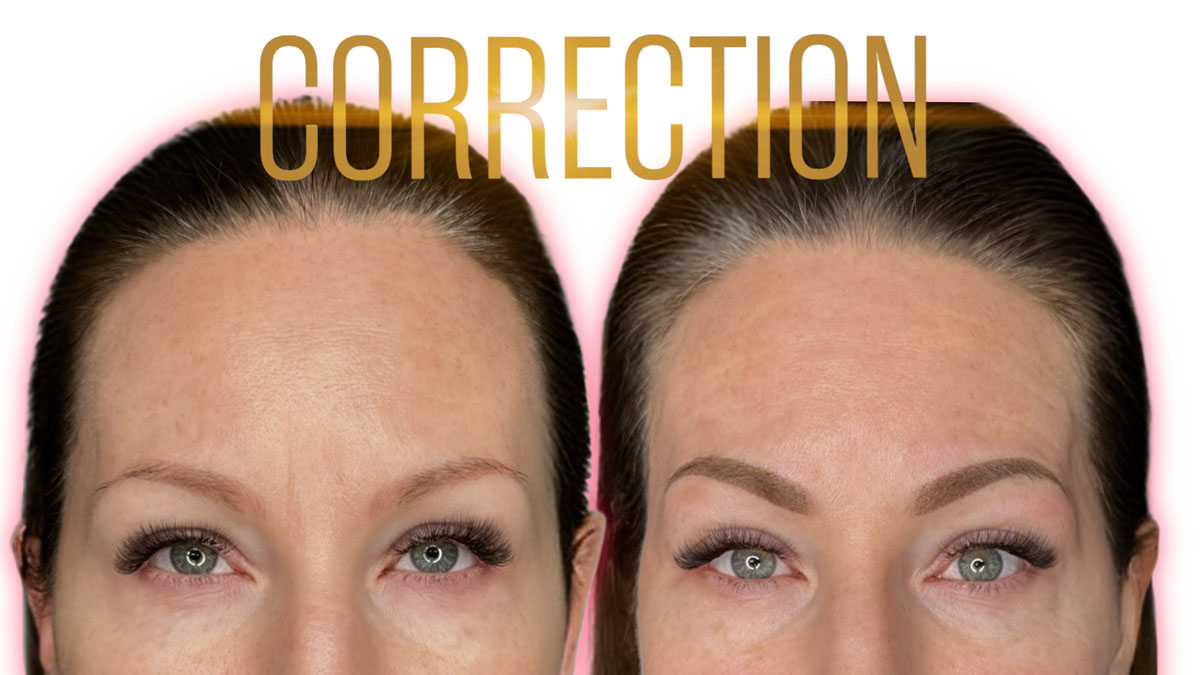
What I’m Looking At During an Assessment
When I look at brows, I am not thinking emotionally. I am thinking technically.
I’m asking:
- Where is the pigment sitting?
- How dense is it?
- How much of the original structure is still there?
- Has the shape broken down or just softened?
- What has changed because of time, and what was a poor decision from the beginning?
That is the difference between reacting and assessing.
And once there is a proper assessment, there can be a proper plan.
Patience Still Matters Either Way
Whether you are dealing with bad brows or old pigment, one thing stays the same:
the process is not instant.
It is layered. Structured. Built over time.
Because we are working with:
- skin
- pigment
- healing
Not a blank page.
Every session builds on the last. We are not starting over each time. We are improving.
That is why the better question is not:
“How do I fix this immediately?”
It is:
“What is the right plan to improve this properly?”
Why Clarity Changes Everything
Once there is a plan, stress drops.
You understand:
- what you are dealing with
- what needs to happen
- what is realistic
- and what the likely outcome can be
That is really the difference here.
Not just between bad brows and old pigment — but between confusion and clarity.
Final Answer
So what is the difference between bad brows and old pigment?
Bad brows are usually a technique or design issue.
Old pigment is usually a time and aging issue.
Both can make you unhappy. Both may need professional help. But they are not the same thing, and they should not be treated the same way.
Sometimes your brows are truly wrong and need design correction.
Sometimes they are simply old and need refreshing, color balancing, or soft rebuilding.
And that distinction matters more than most people realize.
Final Thought
If you have been looking at your brows thinking something is terribly wrong, it might not be.
It might just be:
- time
- pigment
- and a need for the right adjustment
And once you understand that, you stop reacting and start making better decisions.
Because in both cases — whether it is bad work or simply old pigment — the goal stays the same:
improvement
balance
and a result that works long term
If you want to see how real correction results look across different types of previous work, you can view the gallery here. And when you are ready to talk through what your brows actually need, you can book an appointment here.