
One of the most common questions that comes up—often after the first appointment—is direct and completely understandable: Why does eyebrow correction take multiple sessions? From the client’s perspective, the logic feels simple. If something looks off, why not correct it fully in a single appointment? The answer is equally direct. Because precision, control, and long-term results cannot be created in one sitting.
Eyebrow correction is not a single action. It is a controlled process that unfolds over time. And that distinction is what separates a temporary improvement from a stable, refined result. If you begin with a clear understanding of what eyebrow correction actually involves, this structure becomes much easier to appreciate. Correction is not a quick adjustment. It is a methodical rebuild of balance within the skin.
This Is Not a Single-Step Treatment
The first shift in understanding is this: correction is not comparable to a standard appointment. It is not a minor adjustment. It is not a quick revisit. It is a structured, layered process that accounts for what already exists beneath the surface. When working on untreated skin, the artist creates from a blank canvas. In correction, that canvas has already been altered—often multiple times. There is pigment present. There is healed structure. There is history. And history cannot be adjusted in a single step without compromising the result.
You Are Not Starting From Zero
Every correction case begins with existing variables:
- previous pigment deposits
- variations in depth
- layered tones
- healed skin responses
Each of these elements influences how new pigment will behave. That means every adjustment must be measured, not forced. When pigment is placed into skin that already contains pigment, the result is not replacement—it is interaction. This is why correction requires a different strategy than reworking fresh brows. The approach must adapt to what is already present.
Why One Session Is Not Enough
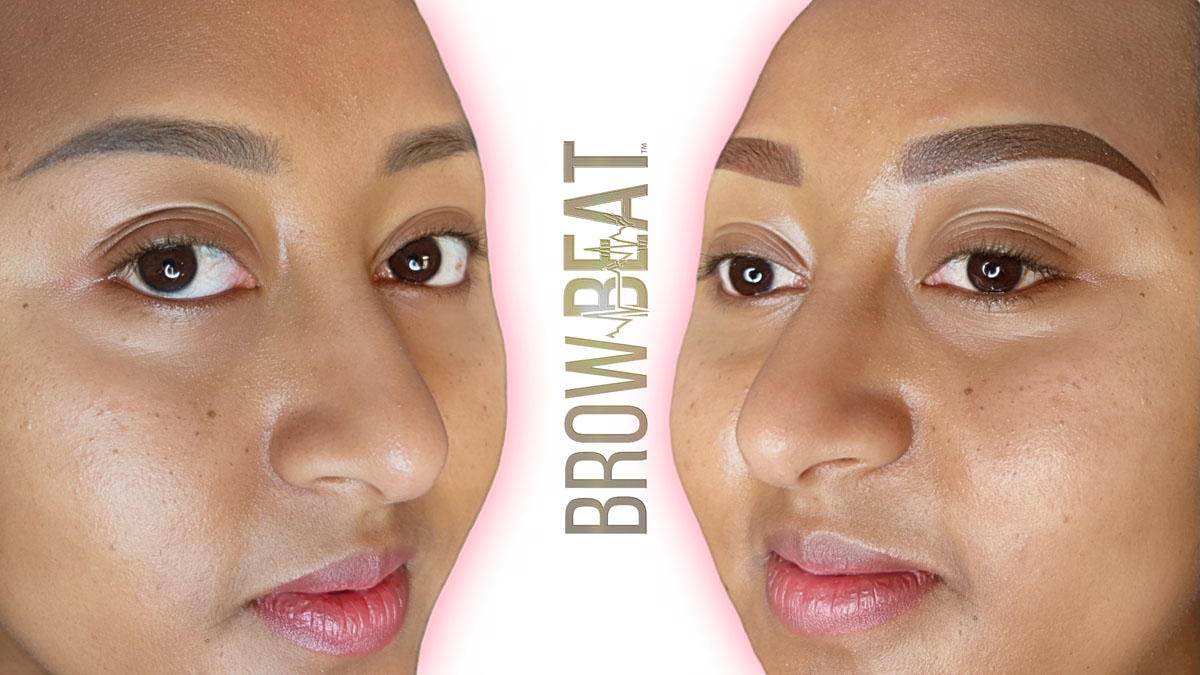
Even in standard brow work, the initial session establishes structure, and a second treatment refines it after healing. Correction follows the same principle, but with significantly more complexity. In most cases, correction requires:
- two sessions for balanced cases
- three sessions for denser or more layered pigment
This is not an estimate. It is a controlled system based on how pigment settles and how skin responds over time. Attempting to complete everything in one session introduces risk:
- over-saturation
- loss of clarity
- unpredictable healing
Precision requires restraint. And restraint requires time. The answer depends entirely on your existing pigment, previous procedures, and skin condition. Many clients are surprised to learn why some eyebrow corrections require a completely different approach after an unsuccessful previous attempt.
The Role of Healing in the Process
Healing is not a waiting period. It is an active phase of the result. What is visible immediately after treatment is not the final outcome. The skin must process the pigment before the true result can be evaluated. During this phase:
- pigment softens
- tones shift slightly
- density reduces
- structure settles
This is why spacing between sessions is essential. Working too soon removes the ability to assess accurately. It replaces precision with assumption. And in correction, assumption leads to inconsistency. This is also why understanding how pigment evolves over time is critical. What is placed initially is only part of the outcome. How it settles defines the result.
Correction Is Built on Observation
Each session provides information. That information determines the next step. After healing, the artist evaluates:
- how the pigment blended
- how tones adjusted
- where density needs refinement
- where restraint should be maintained
This is not guesswork. It is observation. And that is why correction must be layered. Without this step-by-step evaluation, the process becomes reactive instead of controlled.
Why “Better” Comes Before “Finished”
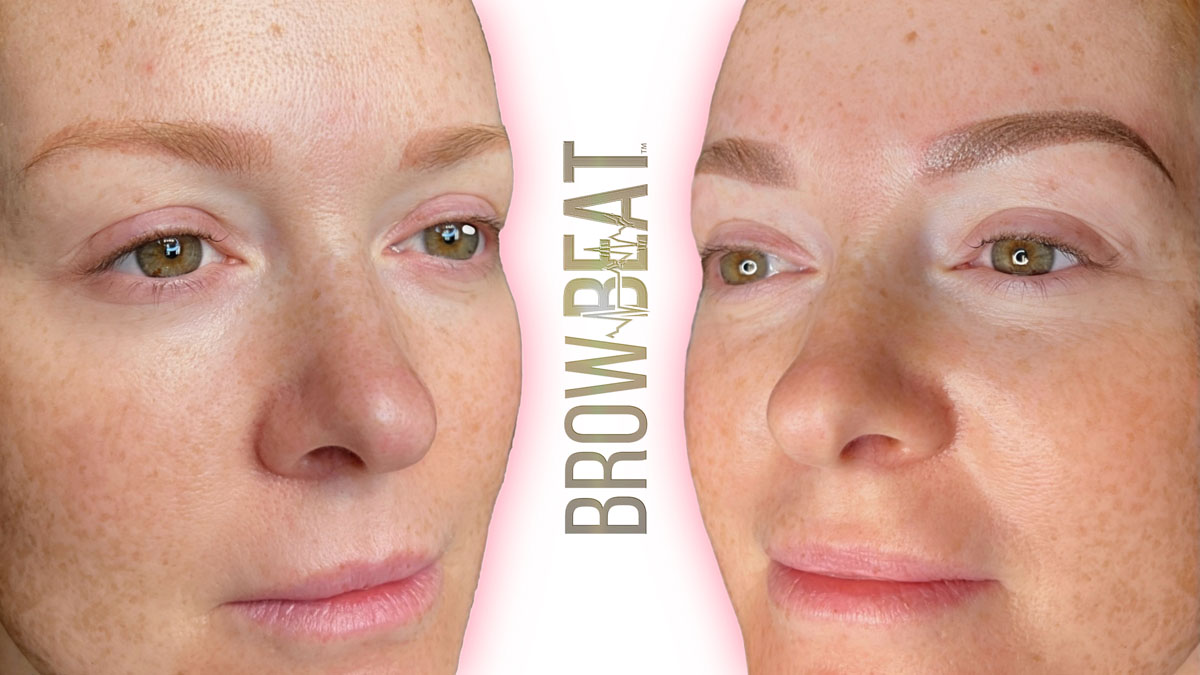
After the first session, most clients notice improvement. However, it is rarely complete. This is intentional. Stopping before the point of saturation preserves control. It prevents:
- excess density
- overworked tissue
- compromised healing
The second session is where refinement occurs. This staged approach ensures that each adjustment builds on a stable foundation rather than forcing a result prematurely. It mirrors the same logic behind correcting existing work without starting over—progress is built, not rushed.
Existing Pigment Changes the Outcome
Correction is fundamentally different because it involves interaction with existing pigment. Every new application must account for:
- underlying colors
- previous saturation
- skin response patterns
This interaction cannot be fully predicted in a single session. It must be observed after healing. Only then can the next step be executed with precision. This is why correction is a process rather than a single event. Brows that have been treated multiple times often behave differently because layered pigment changes how correction must be planned.
Complexity Determines Pace
Not all correction cases move at the same speed. Lighter, softer pigment allows for more flexibility. Darker, denser, or heavily layered pigment requires a slower, more controlled approach. The starting point defines the timeline. This is where many misunderstandings occur. Clients often compare timelines without realizing the structural differences between cases. Correction is not standardized. It is tailored to the condition of the brow. This aligns closely with understanding whether brows need correction or refinement, as the approach varies based on the starting condition.
Why Building Is Better Than Forcing
Correction is designed to achieve:
- balance
- softness
- controlled density
- long-term stability
These qualities cannot be forced in one session without increasing risk. They must be developed gradually. Each session contributes to a result that:
- heals predictably
- fades evenly
- remains manageable over time
This is the difference between a temporary improvement and a sustainable outcome.

Why the Timeline Matters
From the outset, it is important to understand that correction follows a rhythm. Typically:
- Session one establishes direction
- Healing reveals the true result
- Session two refines and completes
In more complex cases, an additional session may be required. This is not inefficiency. It is precision. When clients understand this rhythm, the process feels structured rather than prolonged.
Final Answer
Eyebrow correction takes multiple sessions because it is not based on speed. It is based on control. Each stage allows for:
- accurate assessment
- measured adjustment
- stable healing
Rushing the process compromises all three. And without those elements, the result cannot be refined. Discover more about multiple correction treatments through our eyebrow tattoo repair and redo page.
Correction is not about doing everything at once. It is about doing the right amount, at the right time, in the right order. It respects the skin. It respects the pigment. And it respects the long-term outcome. When approached properly, each session moves the brow closer to balance and clarity—not through force, but through precision. If you would like to see how this process develops across real cases, you can explore the brow correction gallery to understand how results evolve over time.