
One of the most confusing moments in the brow correction journey often arrives in a sentence that sounds surprisingly simple. A client shows an artist their brows, explains that the shape feels heavier, the color feels older, or the strokes no longer look the way they once did, and the answer comes back quickly: “I don’t work over old work.” What follows is usually not clarity, but self-doubt. Clients are left wondering whether their brows are too far gone, whether the situation is unusually severe, or whether being turned away means the case is somehow beyond help. It is important to stop that thought immediately, because being told no does not mean you are unfixable. It means you are no longer looking at a standard service problem. You are looking at a specialization problem, and those are very different things. The right treatment isn’t determined by trends but by the condition of the existing microblading fade. That’s why eyebrow tattoo correction is customized for every client.
This distinction matters because most artists are not refusing old microblading for lazy or dismissive reasons. In many cases, they are refusing it for very real reasons. Correction is more complex than fresh work. It requires more thought, more analysis, more decision-making, more patience, and far more responsibility than simply creating brows on untreated skin. Many artists build their businesses around predictability, and predictability feels good. Predictability protects timing, workflow, and confidence. When an artist is working on their own returning client, they usually know what was done, what pigment was used, how the work was placed, how the skin responded, and what the general history looks like. That is a very controlled environment. Old work from another artist is the opposite. It introduces unknowns, and unknowns require a higher level of skill to manage well.
This is where the industry quietly begins to divide itself. A large number of artists work primarily on new clients or on their own existing clientele. That means they are living inside a cycle of creation and maintenance within a system they already understand. If they are a microblading-only artist, then the solution they know best is usually more microblading. For a while, that can appear to work. A client returns, the strokes are refreshed, pigment is added again, and the brows seem restored. Then time continues. The pigment builds. The strokes begin to soften into one another. The structure gradually loses the airy crispness that once made the result feel light. What the client eventually notices is not always dramatic, but it is unmistakable: the brows begin to feel heavier. And the reason is often repetition without adaptation. Old microblading can involve faded color, blurred strokes, scar tissue, and repeated applications, so it often belongs within a broader eyebrow tattoo repair and redo plan rather than a routine touch-up.
That truth is difficult for many clients because it sounds so simple once spoken aloud. You will usually get what your artist specializes in. If someone specializes only in microblading, the answer to most brow problems will tend to be more microblading, even when another path may have become more appropriate. This is not malicious. In many cases, it is simply the honest limit of that person’s training and repetition. Artists work within their skill set, not beyond it. If they do not have true correction experience, correction training, and correction repetition, they are not going to become a specialist in a single appointment. And frankly, they should not try. This is one of the most important reframes a client can make when they hear no. The refusal is not necessarily a verdict on their face. It is often a reflection of the artist’s skill boundaries.
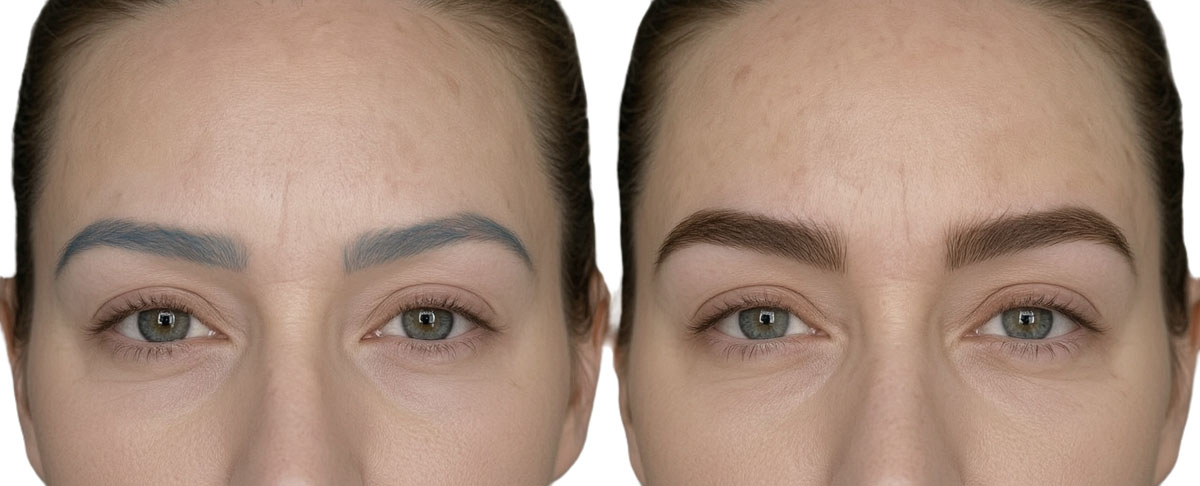
This is also why how to find a real eyebrow correction artist becomes such an important question. Once a client understands that not all artists are correction specialists, the search becomes more intelligent. They stop looking for anyone willing to say yes and begin looking for someone whose daily world actually includes old pigment, layered brows, faded structure, and skin that has already been worked on. That shift alone changes everything, because now the client is not asking, “Why won’t anyone do this?” They are asking, “Who actually specializes in this?” Those are not the same question, and they lead to very different outcomes.
Why Predictability Feels Safe to Artists and Why Correction Does Not
Most artists build confidence around what they see most often. If the majority of their work involves clean skin, first-time clients, and brows that have not yet developed years of history, then their expertise grows around creation. That is not a flaw. It is simply the reality of what they repeat most. But correction lives in a different world. Correction is built around already-worked skin, old tattoos, faded microblading, layered pigment, softened edges, altered undertones, and structural problems that did not appear overnight. When that kind of work is rare for an artist, it tends to feel risky. Not because the client is the problem, but because the result feels less predictable to the person holding the tool.
And when something feels less predictable, it creates stress. Stress, in turn, often creates avoidance. This is why many artists will simply say, “I don’t do that.” In many cases, that is the most responsible choice they could make. If someone does not know what they are doing in correction, they should not be improvising on a client whose skin already carries the consequences of previous work. The difficulty is that clients often interpret this refusal personally. They assume the no means their case is unusually bad, unusually difficult, or somehow beyond improvement. In reality, it usually means the opposite. It means the case has moved into a category where greater expertise is required, and the artist in front of them is being honest about not being the right fit. The first step is determining how the pigment has changed over time and whether the brows need specialized correction for an older eyebrow tattoo.
There is another layer to this that is rarely discussed openly, but it matters. Correction is not always the most attractive work from a short-term business perspective. It takes longer. It demands more focus. It requires more explanation, more emotional management, and often more than one session. A simpler fresh set can feel cleaner, faster, and easier to schedule. Correction, by contrast, asks for more concentration and more responsibility. That does not mean artists who avoid it are wrong. It means their business may be built around different priorities. But it does affect the client’s options, and understanding that helps remove the emotional sting from the refusal.
Once this becomes clear, the situation stops feeling so personal. If artists avoid correction because it sits outside their skill set, outside their preferred workflow, or outside the type of work they want to be known for, then the refusal is not about your brows being hopeless. It is about the level of specialization required. That distinction is deeply important, because it changes the emotional tone of the search. Instead of feeling rejected, the client can begin to feel redirected. And that is a much stronger position to be in.
This is why content like Looking for a New Artist After Microblading and Why Eyebrow Correction Is a Different Skill Not Every Artist Can Do It matters so much inside a correction-focused brand. These are not just educational pages. They are emotional stabilizers. They help clients understand that being turned away is often not a dead end. It is direction. It is pointing toward the right level of expertise instead of the nearest available appointment.
Why Specialists See Possibility Where Others See Complexity
The difference between a standard brow artist and a correction specialist is not simply confidence. It is repeated exposure. When an artist sees blue brows, grey brows, red brows, layered brows, overworked brows, and old pigment every day, those problems stop feeling chaotic. They begin to feel recognizable. The specialist is not thinking, “I hope this works.” They are thinking, “I know this pattern.” That changes the entire energy of the process. It creates calm confidence rather than defensive certainty. It creates structure instead of vague optimism. And for the client, it changes the emotional experience from fear to relief.
This is why virgin skin may actually be rare in a true correction practice. The artist’s world is no longer built around untouched brows. It is built around already-worked skin. Around structure that has shifted. Around pigment history. Around the need to read what is there before deciding what should happen next. That daily repetition is what makes correction more predictable in the hands of a specialist than a fresh case may feel in the hands of someone who only encounters old work occasionally. Repetition changes everything. What feels risky to one artist becomes routine to another, not because the second person is casual, but because they have seen the pattern enough times to recognize it accurately. Artists may decline the work when they see multiple layers of microblading already built up in the skin, because adding another layer can make the result denser and less predictable.

This is the point where clients need a new framework. If an artist says no, it does not mean stop. It means redirect. It means the search is no longer about finding someone willing. It is about finding someone qualified. The right artist will not be seduced by the false simplicity of “just going over it.” They will not pretend repetition is the same as correction. They will see possibility where others see complexity, and that difference is everything. Because once the client finds a real specialist, the entire experience shifts. It stops feeling like a dead end and starts feeling like a case that simply needs the right structure, the right pacing, and the right hands.
Most artists will not or cannot fix old microblading not because every old brow is beyond help, but because correction is advanced work. It requires more than general brow experience. It requires repetition, pattern recognition, and the ability to understand what already exists before anything new is introduced. And when clients understand that truth, the no they were given no longer feels final. It starts to feel useful. It becomes the moment where the search becomes smarter, more focused, and far more likely to lead to the right outcome.
What This Actually Means for You if You Have Been Turned Away
Once you understand why so many artists avoid old microblading, the next question becomes far more useful: what does that reality actually mean for you? This is the point where many clients either become stuck in discouragement or begin moving in the right direction. And the difference between those two paths is almost entirely mental. If being turned away is interpreted as proof that the brows are impossible, the client tends to lose momentum. If it is understood as proof that the case requires a different level of expertise, the process becomes far more empowering. Not because the brows have changed, but because the framework has.
Not being accepted by an artist is not a dead end. It is direction. It is pointing you toward the correct level of specialization. Correction is not something you want rushed, guessed, or approached casually. You want it understood. And once you begin to see the refusal through that lens, the confusion starts to make much more sense. The question is no longer, “Why won’t anyone do this?” The better question is, “Who actually specializes in this kind of work?” That single shift changes the quality of the search immediately, because now you are no longer looking for broad availability. You are looking for actual correction depth. Old work also becomes more challenging when someone has already tried to fix it, particularly when dealing with a previous correction that did not heal or perform as intended.
This is where specialization becomes a critical word. Not someone who occasionally does correction. Not someone who has tried it a few times. Not someone who says yes because they do not want to lose the booking. A specialist. Because specialization means repetition, and repetition creates predictability. When someone works on correction regularly, they are not guessing. They are recognizing patterns. They have seen brows like yours in different versions, on different clients, with different histories, enough times that your case no longer feels shocking to them. It may still be nuanced. It may still require structure. But it does not feel like uncharted territory. That alone changes everything for the client, because calm confidence feels very different from overconfidence. One is reassuring. The other is theatrical.
And this is exactly why pieces like What Most People Get Wrong About Fixing Their Brows and Can Old Microblading Be Corrected Without Removal matter. They help the client understand that the case does not need blind optimism. It needs the right strategy. They also dismantle one of the most dangerous assumptions in this category, which is that “going over it” is a correction plan. In many cases, that is how the problem became more complex in the first place. Repeating the same move does not always preserve a result. Very often, it is what causes the strokes to merge, the shape to soften, and the brows to become heavier over time.
How to Recognize the Right Specialist Instead of the First Available Artist
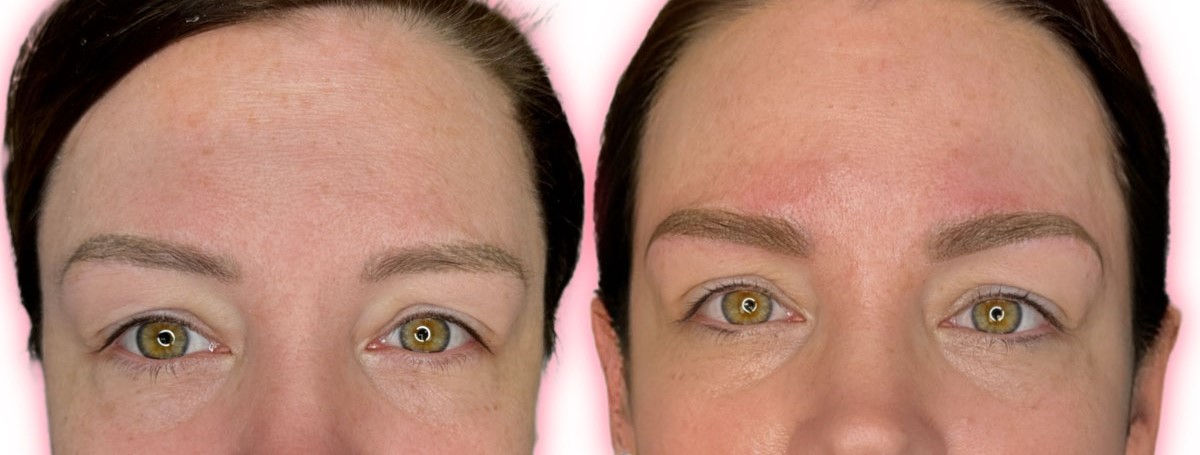
The right specialist will usually behave differently from the start. They assess first, not accept immediately. They ask questions. They request photographs. They want history. They explain what they see and why it matters. And perhaps most importantly, they do not rush to flatten complexity into a single cheerful answer. If the problem is complex, the explanation should carry enough detail to reflect that. This does not mean it should feel dramatic or overwhelming. It means it should feel thoughtful. The more complex the case, the more structured the solution should sound. If someone presents a highly layered brow history and is given a very simple answer in return, that is a reason to pause.
This is also where realistic expectations become one of the strongest indicators of trustworthiness. The right artist will not usually say, “We’ll fix this in one go.” They are more likely to say, “This will take structure,” or “This may take two or more sessions,” or “Here is what we can realistically achieve first.” That honesty is not discouraging when delivered properly. It is grounding. It tells the client that the person in front of them is not selling a fantasy. They are planning a process. And realistic expectations almost always create better experiences than polished promises do, because they prevent the emotional crash that comes when optimism was never matched by a real strategy.
That is why pages such as Why Eyebrow Correction Takes Multiple Sessions, help the client understand the process. They educate the client before they ever arrive, which means the appointment no longer has to start from confusion. Instead, it can begin from understanding. That is one of the quiet luxuries of a correction-focused brand: it lowers fear by making the logic visible.
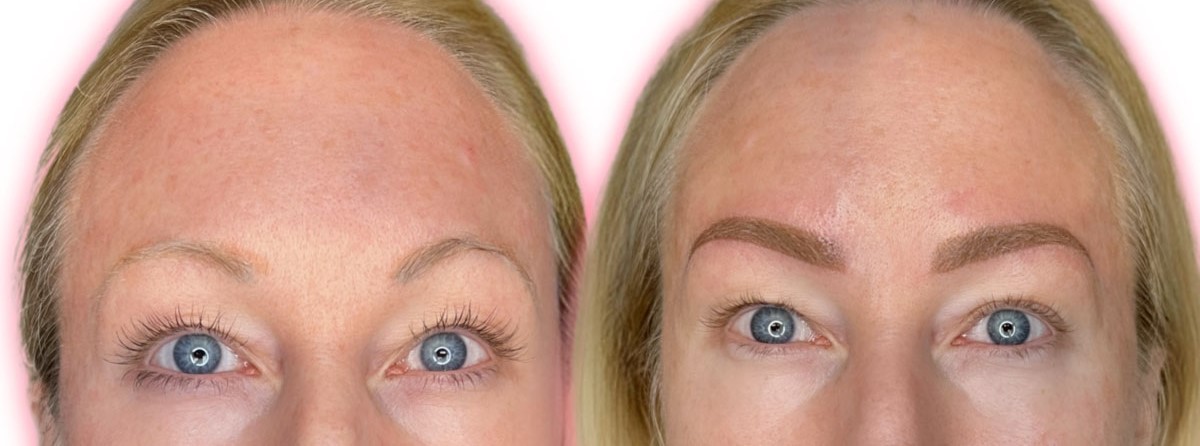
Another reassuring truth is that there are artists who do this properly. They do understand color correction, structure, layering, healing, and the patience required to build a better result over time. They simply are not always the first people a client encounters. This is why being turned away by generalists can be so emotionally misleading. It can create the false impression that no one can help, when the truth is usually more precise: you simply have not reached the specialist yet. Once you do, the experience often changes very quickly from uncertainty to clarity. The assessment is calmer. The explanation is sharper. The plan feels more structured. And the brows themselves no longer feel like an impossible problem. They feel like a case that needs the right method.
Why the Right Approach Feels Different Immediately
There is a very specific form of relief that clients often feel when they finally reach the right correction specialist. It does not come from being told that everything is easy. It comes from being told that everything makes sense. The specialist explains the pattern, the likely direction, the limitations, the timeline, and what can realistically be built. Suddenly, the client is no longer hearing, “No one will touch this,” or “We can just go over it,” which are opposite extremes that create equal amounts of confusion. Instead, they are hearing something far more useful: “This is what I see. This is what this means. This is how we would approach it.” That sequence changes everything.
This is also why specialization matters more than general talent in old microblading cases. Standard work and advanced work are not the same. Correction is not basic maintenance. It is not beginner-level work. It is not something that should feel experimental. It is structured work, and structured work requires experience, intention, and the ability to plan beyond the immediate appointment. That is one of the deeper truths behind Why Experience Matters More in Eyebrow Correction Than Anywhere Else. Experience is what turns complexity into predictability, and predictability is what allows the client to feel safe.
So if you have been told no, or if you have spent time wondering why so few people seem willing to take your case, remember this: you are not the problem. Your brows are not a personal failure. The refusal usually says far more about the specialization required than it says about your face. The moment you understand that, the search becomes stronger and more precise. You stop asking why anyone will not do it and start asking who actually does this well. That question leads somewhere far better.
Because when you finally find the right artist, you will not feel rushed. You will not feel vaguely reassured and then quietly uncertain. You will feel understood. The process will feel controlled, predictable, and effective rather than intimidating. Correction, when done properly, is not something to fear. It is something to understand. And once it is understood, it becomes far easier to move forward with the kind of confidence that only comes from being in the right hands.
Frequently Asked Questions
1. Why do most artists refuse to work over old microblading?
Most artists refuse old microblading because correction is more complex than fresh work. It involves existing pigment, understanding of prior technique, healing history, and structural changes that require a different level of experience and decision-making.
2. Does being turned away mean my brows are too bad to fix?
No. Being turned away usually does not mean your brows are unfixable. It usually means the artist does not specialize in correction and does not feel qualified to manage the complexity of your case.
3. Can old microblading be corrected without removal?
Some old microblading can be corrected without removal, depending on pigment density, color, shape, and how much prior work is already in the skin. The right specialist will assess whether correction alone is appropriate for your specific case.
4. Why does microblading get heavier over time?
Microblading can feel heavier over time because strokes soften, pigment builds with repeated treatments, and structure changes as the work ages. Repetition without adaptation often creates a denser visual result. But, that is not always the case. Correction steps should enter the refresh process early and this will keep the elegance of the brows in check.
5. What is the difference between a brow artist and a correction specialist?
A brow artist may primarily create new brows on untreated skin. A correction specialist regularly works on old tattoos, faded microblading, layered pigment, and already-worked skin, which requires a different skill set and deeper pattern recognition.
6. Is it a bad sign if an artist says, “I don’t work over old work”?
Not necessarily. In many cases, it is actually an honest sign that the artist knows their limits. That honesty is responsible. The key is to understand that their no is often a redirection toward a more qualified specialist, not a judgment on your brows.
7. How do I find someone who actually specializes in brow correction?
Look for an artist whose content, portfolio, and consultations clearly focus on correction, old pigment, layered brows, healed results, and structured multi-session planning. Specialization should be visible.
8. Should correction feel simple if the artist is experienced?
The explanation may feel clear, but the process itself should still sound thoughtful and structured. If a complex case is given an overly simple answer, that is usually a reason to ask more questions.
9. Why is correction often done in multiple sessions?
Correction is often layered because pigment needs time to settle and the skin needs time to respond before the next decision is made. Multiple sessions allow the specialist to refine the result more intelligently and with better long-term control.
10. What should I do if I have been told no by several artists?
Do not assume your case is impossible. Start looking specifically for a correction specialist rather than a general brow artist. The right specialist will assess your brows properly, explain what they see, and guide you toward the smartest next step.
Ready for the Right Kind of Brow Correction?
If you have been told no, turned away, or left feeling like no one fully understands what is happening with your brows, that does not mean you are out of options. It means the case now requires the right level of specialization. Old microblading, layered pigment, softened structure, and already-worked skin should never be approached casually, and they should never be guessed through. They should be assessed properly, explained clearly, and handled with structure, experience, and intention.
If you are ready for a more intelligent approach, start by exploring what a correction actually involves, review the gallery, and when you are ready for a thoughtful assessment of your case, book an appointment. The goal is not simply to find someone willing to work on old brows. The goal is to find the right specialist—and when you do, everything changes.