
The healing process in eyebrow correction is often where the greatest misunderstandings occur. It is the stage where expectations are tested, where results appear to shift, and where many clients begin to question whether the process is working at all. This uncertainty is not a sign of failure. It is a reflection of how pigment behaves within the skin, especially when new pigment is introduced over existing work.
Correction healing does not follow the same pattern as a standard microblading touch up or what is commonly described as a simple refresh. The skin is not only responding to a new application, it is interacting with pigment that has already been placed, settled, and faded over time. This layered interaction is the reason the healing process must be understood differently from the outset.
To fully understand what is happening during healing, it is important to first recognize why brows change in the first place. Over time, strokes soften, edges diffuse, and pigment shifts in tone and density. This is why microblading blurs, spreads, and loses its original structure, even when it has been applied correctly. Healing is not separate from this process. It is the continuation of it.
Why Correction Healing Is Not Linear
One of the most important distinctions in correction is that healing is not linear. It does not move in a straight line from dark to light, or from uneven to even. Instead, it moves through phases where the brows may appear to improve, then shift, then stabilize.
In untouched skin, pigment settles into a relatively predictable pattern. In previously worked skin, that predictability is reduced. Existing pigment influences how new pigment is perceived, creating variations that may appear inconsistent in the short term but are part of a longer, controlled progression.
This is why understanding how color changes within the skin over time is essential. The tones that appear during healing are not random. They are the result of pigment interaction, and they must be allowed to settle before any conclusions are made.
The First Phase: Immediate Appearance
In the first few days following correction, the brows will often appear more defined. This stage can feel reassuring, particularly for those who have previously experienced fading or uneven retention. However, this initial appearance is not the final result. The pigment is still fresh, and the skin is still in the early stages of response. At this point, the surface layer of the skin is temporarily holding pigment in a way that creates clarity. As the skin begins to renew itself, this clarity will shift. This is not loss. It is transition.
For clients who have undergone multiple previous touch ups, this stage may feel familiar. The difference lies in what follows. Correction introduces a new relationship between old and new pigment, and that relationship continues to evolve beyond this initial phase. Every stage of healing is influenced by the condition of the skin before treatment, which is why understanding what actually happens during eyebrow correction makes the healing process much easier to understand.
The Transition Phase: Where Doubt Begins
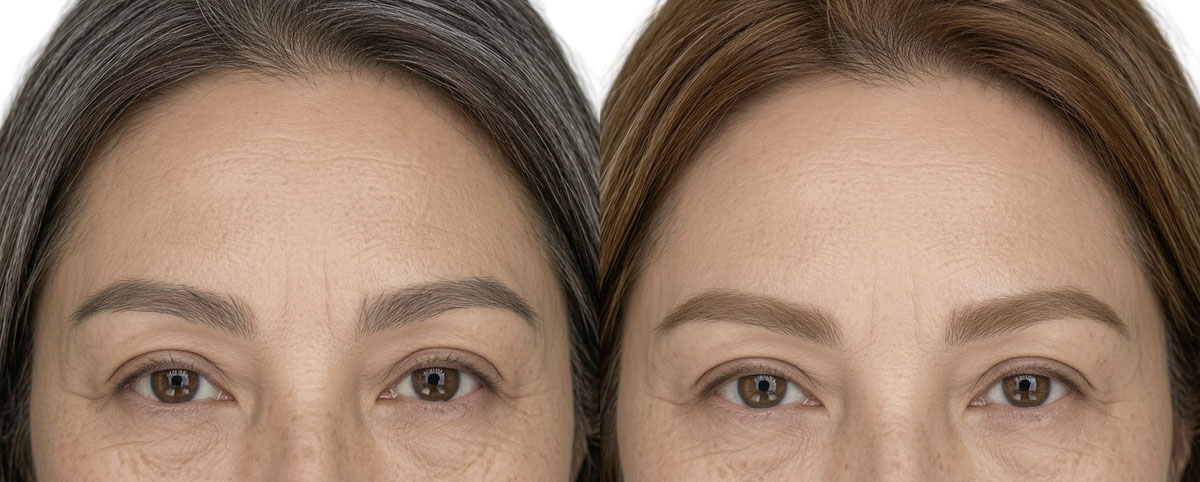
As the skin progresses through healing, the brows often enter a stage where they appear lighter, uneven, or inconsistent in tone. This is the phase where doubt most commonly arises. It can feel as though pigment has disappeared in certain areas or that the result is not holding as expected.
In reality, this phase reveals the underlying behavior of the existing pigment. Areas that appear lighter may be areas where previous pigment has diffused more significantly. Areas that appear warmer or cooler may reflect the tones already present beneath the surface.
This stage is not a sign that correction was unnecessary. It is often the clearest indication of why it was required. What is being seen is not new inconsistency, but existing variation that is becoming visible as the skin transitions.
Pigment Re-Emergence and Stabilization
As healing continues, the pigment begins to re-emerge in a more stable form. The brows start to regain consistency, and the overall color becomes easier to assess. This stage provides the first accurate indication of how the correction is progressing.
However, even at this point, the result is still evolving. Pigment continues to settle within the skin, and subtle changes in color and density may still occur. This is why additional work is not considered until the full healing cycle has been completed.
Understanding why correction often requires multiple sessions becomes essential at this stage. Each session builds on the information revealed during healing, allowing for more precise adjustments over time.
The Role of Existing Pigment in Healing
Existing pigment plays a defining role in how correction heals. It influences color, density, and the way new pigment integrates into the skin. This is why placing new brown pigment over old work does not create a replacement effect. Instead, it creates a blended result that must be anticipated before application.
This principle is fundamental to correction. It is also why repeated layering without color correction adjustment leads to increasingly complex outcomes. Over time, strokes merge, pigment accumulates, and the overall structure becomes less defined. This is why brows often appear more solid over time, even when the original intent was to maintain a lighter, more natural look. Healing is the stage where these accumulated effects become visible. It is not creating the problem. It is revealing it.
Why Patience Is Not Optional
Patience in correction is not simply recommended. It is required. Attempting to adjust the brows before the skin has fully healed introduces unnecessary risk and limits the ability to make informed decisions. Each stage of healing provides information that guides the next step. Without that information, adjustments become reactive rather than intentional. This is one of the key differences between correction and repeated touch ups. Correction is based on observation and planning, not immediate response. Reviewing documented correction results over time reinforces this understanding. It demonstrates how results evolve and why each phase contributes to the final outcome.
Healing as a Diagnostic Phase
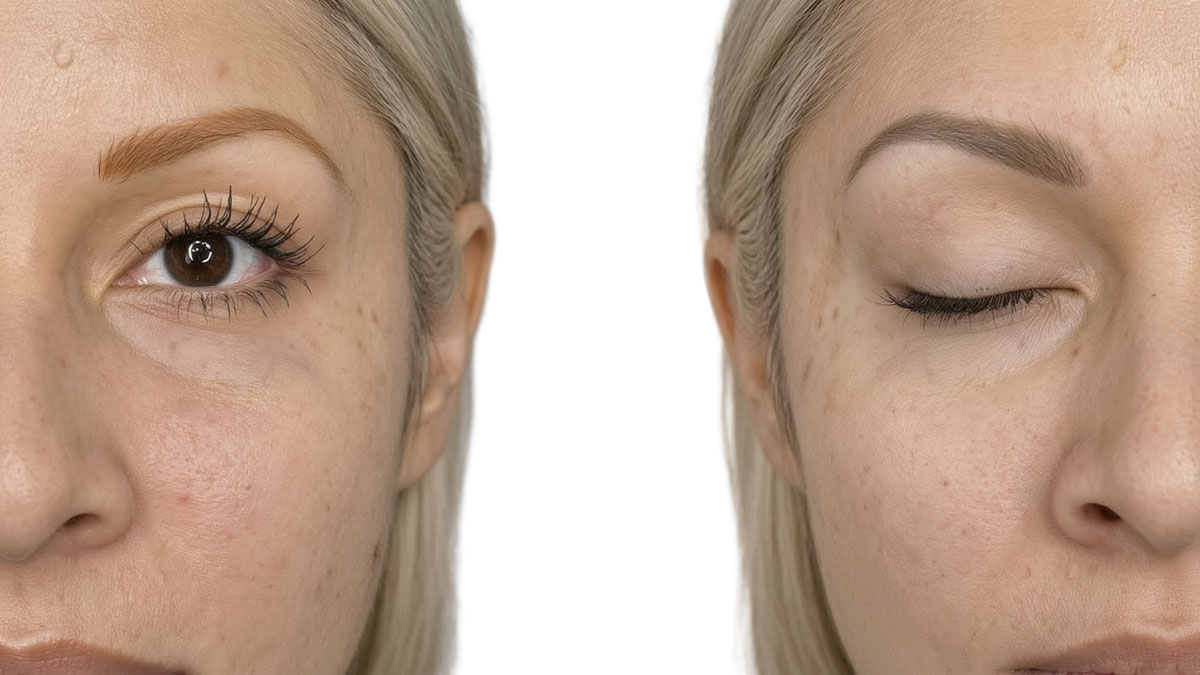
In correction, healing is not just recovery. It is diagnostic. It reveals how the pigment is behaving, how the skin is responding, and what adjustments may be needed. This makes it one of the most important stages in the entire process.
Rather than evaluating the brows too early, the focus should remain on observing the direction of change. Is the color balancing? Is the structure becoming more cohesive? Are areas of inconsistency beginning to align? These are the indicators that matter. Correction is not measured by immediate perfection. It is measured by controlled progression. Healing expectations also change depending on whether your existing eyebrow tattoo is truly repairable.
When Healing Reveals More Than Expected
As the healing process progresses, it often reveals more than initially anticipated. This is not a setback. It is clarity. Areas that once appeared uniform may begin to show variation, and tones that were less visible before may become more apparent. This stage is where the true condition of the brows begins to surface, not as a problem, but as information. Correction is built on this information. Without it, decisions are based on assumption rather than understanding. When the skin is allowed to move through its full healing cycle, it provides a more accurate picture of how pigment is behaving and what is required next. This is also why distinguishing between poorly executed brows and simply aged pigment becomes essential. What may initially appear incorrect is often the result of natural pigment evolution and recognizing that difference changes the entire approach.
Why Some Areas Heal Differently Than Others
It is common for different areas of the brow to heal at different rates. The front of the brow may appear softer, while the tail retains more density. In some cases, the midsection may appear slightly uneven before stabilizing. These variations are influenced by previous pigment placement, skin characteristics, and how the pigment has settled over time.
This unevenness is not a flaw in the process. It is a reflection of the existing structure beneath the surface. Correction does not override that structure instantly. It works with it, gradually guiding it into balance. Understanding this prevents unnecessary concern during healing. It also reinforces why a single session is rarely the final step. Each phase reveals what can be adjusted, refined, or left untouched in order to maintain long-term balance.
The Risk of Acting Too Early
One of the most common mistakes during correction healing is acting too early. Attempting to adjust the brows before the pigment has fully settled can lead to over-saturation and reduced flexibility in future sessions. What appears to be a gap or inconsistency in the early stages may resolve naturally as the healing process completes.
This is where the concept of layering becomes critical. Reapplying pigment without allowing the skin to fully process what is already there contributes to buildup, not improvement. Over time, this buildup can lead to a heavier appearance and less defined structure. This pattern is often seen in cases where repeated touch ups have been performed without adaptation. As explored in whether microblading can be repeated indefinitely, there is a point where continued layering no longer produces the intended result. Correction exists to address that point with a more controlled approach.
How Correction Differs From Repetition
Repetition follows a familiar path. The same technique is applied in the same way, with the expectation that the result will remain consistent. In the early stages of brow work, this may hold true. Over time, however, the skin changes, the pigment evolves, and the outcome begins to shift.
Correction moves away from repetition and into adaptation. It considers what has already been done, how it has changed, and what is required now. This is why repeating the same technique produces different results over time. The conditions are no longer the same, and the approach cannot remain unchanged.
Healing is where this difference becomes visible. It shows whether the brows are responding to adaptation or simply accumulating layers. Some clients expect a simple touch-up when they actually need a correction, so it’s helpful to understand when a correction is more appropriate than a refresh.
Recognizing Progress in Subtle Changes
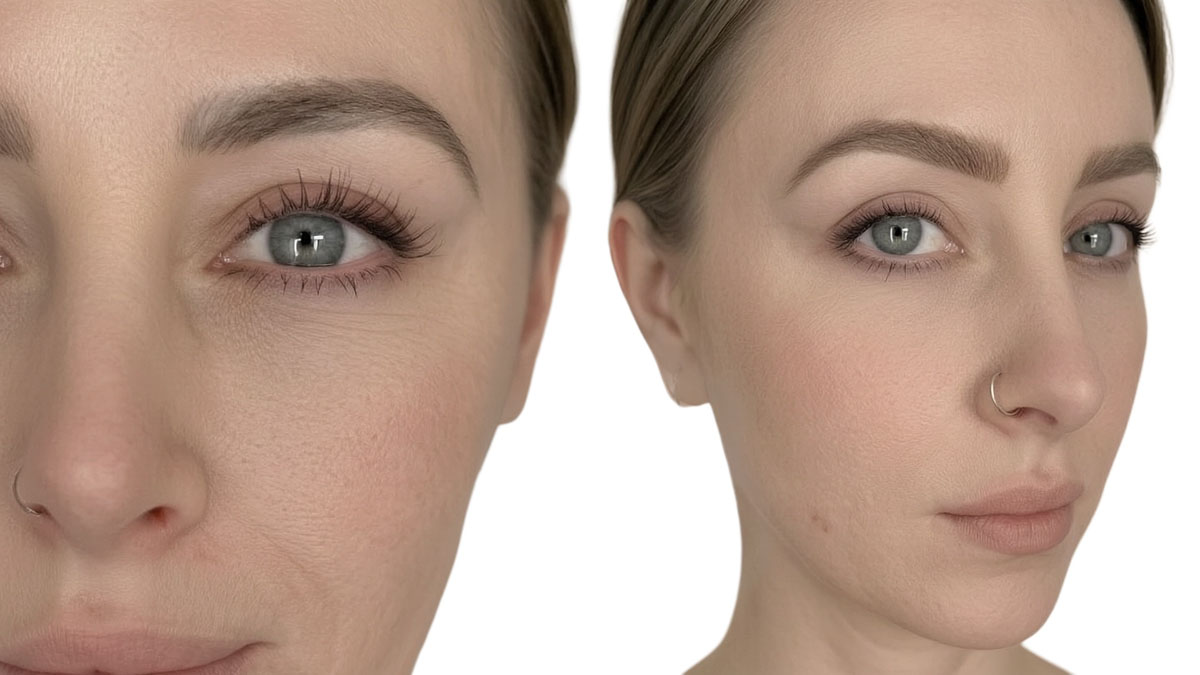
Progress in correction is often subtle. It may not present as a dramatic transformation in a single stage, but rather as a gradual alignment of tone, density, and structure. The brows begin to feel more cohesive, even if small variations still exist. This subtlety is intentional. It allows the skin to remain responsive and prevents the outcome from becoming overly saturated. Over time, these small adjustments create a result that feels balanced and natural, rather than forced or overly defined. This approach also supports longevity. By avoiding excessive layering, the pigment is able to settle more evenly, maintaining flexibility for future refinement if needed.
What This Process Means for Decision-Making
For those moving through correction, the healing process becomes a guide for decision-making. It informs whether additional sessions are needed, what adjustments should be made, and how the brows are evolving overall. Rather than reacting to early stages, decisions are made based on the fully healed result.
This creates a more stable and predictable outcome. It also reduces the likelihood of overworking the skin, which can limit future options. Correction is not about achieving immediate perfection. It is about creating a result that can be refined and maintained over time without compromising the integrity of the skin. For those evaluating their options, understanding how to identify a true correction specialist becomes part of this process. The right approach is not defined by speed, but by structure and clarity.
Moving Toward a Balanced Result
As the healing process completes, the brows reach a stage where they can be assessed with accuracy. Tone, density, and structure are now visible in their settled form, allowing for precise decisions about what comes next. For some, this may mean a second session focused on refinement. For others, it may mean allowing the brows to continue evolving naturally before making any further adjustments.
At this point, the process becomes less about correction and more about maintenance. The foundation has been established, and the focus shifts toward preserving balance rather than rebuilding it. Exploring specialized correction services and understanding the full scope of the process provides clarity at this stage. It reinforces that correction is not a single event, but a structured progression toward a stable and cohesive result.
Frequently Asked Questions
Why do brows look uneven during healing?
Unevenness during healing reflects how existing pigment is interacting with new pigment. As the skin transitions, underlying variations become more visible before stabilizing.
Is it normal for pigment to appear lighter before it settles?
Yes. During healing, the surface layers of the skin renew, temporarily softening the appearance of pigment before it re-emerges in a more stable form.
How long should healing be observed before making adjustments?
A full healing cycle of approximately 4–8 weeks is typically required before evaluating the result and considering further refinement.
Why do some areas retain pigment differently?
Retention varies based on previous pigment placement, skin characteristics, and how the pigment has settled over time. Correction works to balance these variations gradually.
Can correction be completed in one session?
In most cases, correction is a staged process. Each session builds on the healed result of the previous one to achieve a balanced outcome.
What happens if additional pigment is added too soon?
Adding pigment before full healing can lead to over-saturation and limit the ability to refine the result in future sessions.
Why do brows sometimes look warmer or cooler during healing?
These shifts reflect the interaction between existing pigment and new pigment. They are part of the transition phase and typically stabilize as healing completes.
Is a touch up the same as correction?
No. Cases described as touch ups may involve underlying pigment changes that require correction rather than simple maintenance.
How long do correction results last?
Results typically evolve over 12–18 months, depending on skin type and pigment behavior.
What is the most important part of the healing process?
Allowing the skin to fully heal without interference provides the clarity needed to make informed decisions about any further work.