

Switching artists after microblading is far more common than most people realize. It happens quietly, often without discussion, and is usually accompanied by hesitation. There is a tendency to question whether the decision is appropriate, whether it reflects poorly on previous choices, or whether it means something has gone wrong. In reality, none of those assumptions are accurate. Moving on to a different artist is not a mistake. It is a response to change.
If your brows have changed color or shape over time, our eyebrow tattoo correction guide explains the available solutions.
Brows change over time. Pigment softens, strokes begin to merge, and structure shifts in ways that are not always expected. This is why microblading does not remain crisp indefinitely. When the same technique is repeated without adjustment, the result will eventually reflect that repetition. If nothing changes in the approach, nothing changes in the outcome.
This is where the idea of switching begins. Not as a reaction, but as a realization. The understanding that continuing the same process will continue producing the same result. And when that result no longer aligns with expectations, a different approach becomes necessary.
Why People Start Looking for Someone New
There is rarely a single reason behind the decision to find a new artist. For some, it is a gradual shift. Multiple treatments over the years, each one building on the last, until the brows begin to feel heavier, more solid, or less defined. This progression is not unusual. It is often the result of repeated application without structural change, which is why brows tend to appear more solid over time.
For others, the change is situational. A move to a new city, a shift in routine, or simply the need to find someone new due to availability. And in some cases, the decision has been delayed for years. Brows that have been lived with rather than addressed, gradually becoming something that no longer feels aligned, but not urgent enough to change immediately. Regardless of how it begins, the outcome is the same. A moment where the question becomes clear. Not whether something can be done, but who should do it.
Switching Artists Is Not Starting Over
One of the most important shifts in perspective is understanding that changing artists does not mean starting from the beginning. The existing pigment, shape, and history remain. They are part of the process moving forward. What changes is not the starting point, but the strategy applied to it.
Approaching new work as a continuation of the old plan is where many outcomes begin to decline. Repeating the same method on evolving skin leads to predictable changes, which is why repeating the same technique over time produces different results. A new artist should not simply continue what was done before. They should reassess and rebuild the approach entirely. This distinction is critical. It separates continuation from correction. It defines whether the result will continue to shift or begin to stabilize.
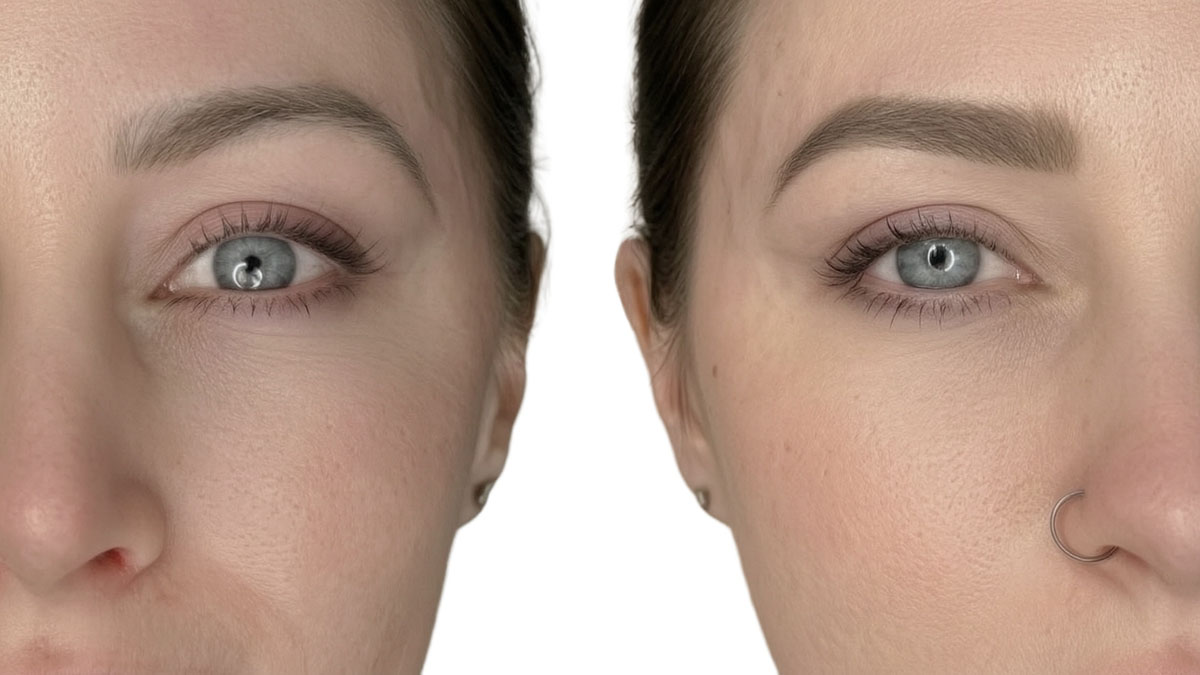
The Difference Between Repeating and Rethinking
There is a fundamental difference between applying a technique and understanding when that technique is no longer appropriate. Microblading, when repeated continuously, can lead to accumulation within the skin. Pigment layers interact, strokes lose separation, and the overall appearance becomes denser.
This is not a failure of the technique itself. It is a limitation of using a single method in situations that require adaptation. Over time, this is why microblading cannot be repeated indefinitely without affecting the outcome. The skin changes, and the approach must change with it. Rethinking means stepping back and evaluating what is present rather than applying what has been done before. It requires understanding color, depth, and structure as they exist now, not as they were originally intended.
Why a New Artist Should Feel Different
A true shift in approach is noticeable. It does not feel like a continuation of the same process. It feels slower, more deliberate, and more structured. There is a clear focus on assessment before action, on understanding before application. This is where many clients begin to feel a sense of relief. The transition from uncertainty to clarity happens when the process is explained, when the reasoning is transparent, and when the outcome is approached with intention rather than assumption.
The difference is not just in technique. It is in how the work is approached entirely. Instead of repeating, the focus becomes rebuilding. Instead of adding, the focus becomes balancing. Instead of guessing, the process becomes planned. Choosing what to do next is easier when you understand the differences among eyebrow tattoo redos, refreshes, revisions, and corrections instead of assuming every artist will recommend the same solution.
The Emotional Side of Switching
There is often an emotional component to changing artists that is rarely acknowledged. A sense of hesitation, sometimes even guilt, as though the decision requires justification. This perspective can make the process feel more complicated than it needs to be. In reality, the decision is not about loyalty. It is about outcome. Brows are a long-term feature, and the approach used to maintain or correct them should reflect that. Choosing a different artist is not a reflection of failure. It is a recognition that a different level of understanding is required.
When that shift is made, the experience changes. The focus moves away from uncertainty and toward structure. And structure is what creates confidence.
Understanding What You Actually Need
The most important realization in this process is that the goal is not to find another artist who will do the same thing again. The goal is to find someone who approaches the work differently. Someone who sees what is present and understands how to work with it, rather than over it. This is where correction begins to take shape. Not as a quick adjustment, but as a structured plan. A plan that considers what has been done, how it has changed, and what is required to bring it back into balance. For those navigating this stage, reviewing real outcomes can provide valuable clarity. Looking through documented correction work shows how different approaches produce different results. It highlights the importance of strategy over repetition.
At this point, the focus shifts. It is no longer about finding someone available or convenient. It becomes about finding someone who understands the complexity of what already exists and has the experience to approach it correctly. And that is where the process truly begins to change. Look for an eyebrow tattoo correction specialist with documented experience working over existing pigment, uneven shapes, and previous procedures.
What Needs to Happen Next
Once the decision has been made to find a new artist, the focus shifts from whether to move forward to how to move forward correctly. This is where many people either gain clarity or fall back into the same patterns that created the issue in the first place. Choosing a new artist without changing the approach will not create a different outcome. If the same thinking is applied, the same result will follow. This is why the next step is not simply finding someone new. It is finding someone who works differently. A new artist should represent a shift. Not just in location or availability, but in strategy, in assessment, and in how the work is approached overall.
The Role of Reassessment
A proper correction process begins with a full reassessment. This is not a quick glance or a surface-level review. It is a detailed evaluation of what currently exists within the skin.
This includes:
- Understanding the underlying pigment and how it has changed over time
- Recognizing areas of buildup or uneven saturation
- Evaluating the structure and how it has shifted
- Reviewing the treatment history and frequency
Without this step, any work that follows becomes guesswork. And guesswork is what leads to repeated outcomes rather than improved ones. This is also why understanding the difference between poorly executed work and naturally aged pigment is essential. Not all brows that need adjustment are “bad.” Many simply reflect time and repetition.
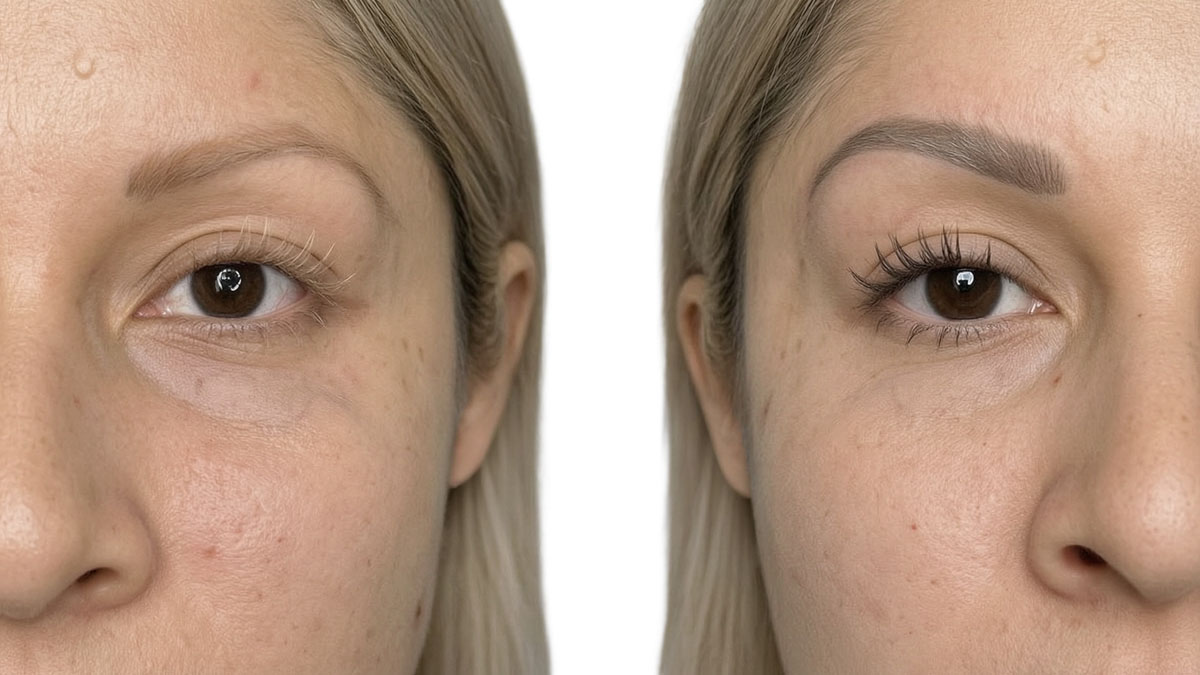
Why This Is Not a One-Step Process
Correction is often misunderstood as something that can be completed in a single appointment. This expectation creates unnecessary pressure and leads to disappointment when the process requires more time. In reality, correction is structured. It is built in stages, allowing the skin to respond, adjust, and stabilize between sessions. This is why multiple sessions are often necessary in eyebrow correction. Each step informs the next. This approach creates control. Instead of forcing a result, it allows the result to develop with intention. And that is what produces consistency over time.
Setting the Right Expectations
The difference between a positive experience and a frustrating one often comes down to expectations. When expectations are aligned with the process, the experience feels structured and predictable. When they are not, it can feel uncertain. The right artist will not present correction as immediate or effortless. They will explain:
- What is realistically achievable
- How many sessions may be required
- How the brows will evolve throughout the process
This level of clarity builds trust. It creates an understanding that the process is not rushed but designed. And that design is what leads to a stable outcome rather than a temporary improvement.
Recognizing the Right Artist
When the approach is correct, it becomes noticeable. The interaction feels different from the beginning. There is a focus on explanation, on understanding, and on setting a clear direction.
The right artist will:
- Ask detailed questions rather than offering immediate solutions
- Request photos and history before confirming a plan
- Explain what they see in a way that makes sense
- Outline a process rather than a single appointment
This is where the shift from confusion to clarity happens. Instead of wondering what might work, there is a clear understanding of what will be done and why. For those in the decision stage, reviewing what defines a true eyebrow correction specialist can provide additional guidance. It reinforces the importance of specialization rather than general experience.
What to Avoid When Choosing Again
Just as there are signs of a strong approach, there are also clear indicators of when the same patterns are being repeated. These include:
- Immediate agreement without assessment
- Promises of a one-session solution
- A plan that mirrors what has already been done
- Lack of explanation or detail
These signals often point to continuation rather than correction. And continuation is what leads to further change in the same direction, rather than improvement.
Rebuilding Trust in the Process
Beyond the technical aspect, there is also a level of trust that needs to be re-established. When results have shifted over time, it is natural to question whether the same outcome will happen again. This is where understanding becomes important. Knowing why changes occurred previously allows for a different approach moving forward. It replaces uncertainty with clarity.
Trust is not rebuilt through reassurance alone. It is built through explanation, consistency, and a structured plan that aligns with what is being said.
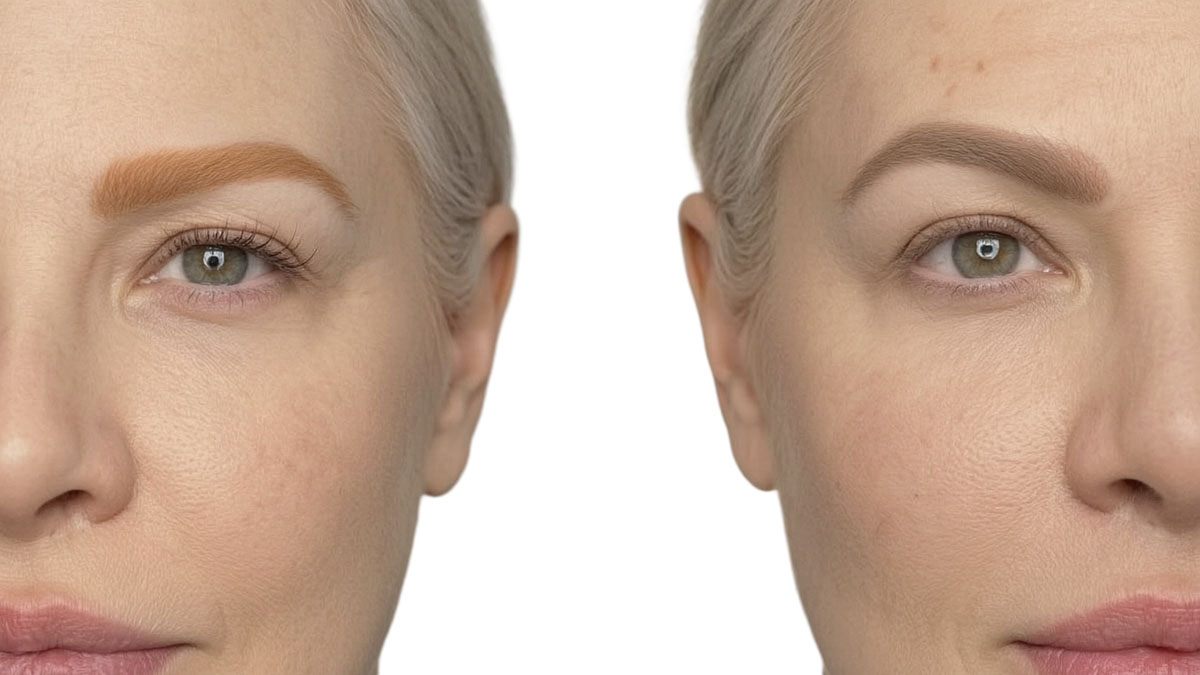
The Shift From Perfection to Balance
One of the most effective changes in perspective is moving away from the idea of perfection and toward the concept of balance. Balance creates a more natural appearance and allows the brows to evolve in a controlled way. This approach also supports longevity. Instead of chasing a fixed result, it allows for subtle adjustments over time, maintaining consistency without creating buildup.
Making the Right Decision
At this stage, the decision becomes clearer. It is no longer about finding the closest option or the fastest availability. It becomes about choosing based on understanding, experience, and the ability to explain the process clearly. Correction is not something that benefits from repetition. It benefits from intention. Choosing an artist who approaches it this way reduces the likelihood of needing to revisit the same issue again.
For those ready to move forward, exploring dedicated correction-focused services can provide a clearer path. It ensures that the approach is aligned with the complexity of the work. It also helps to understand whether your situation calls for improvement or a more substantial change by comparing a brow redo with corrective treatment.
Bringing It All Together
Looking for a new artist after microblading is not a setback. It is a transition. A move from repetition to strategy, from uncertainty to structure. The key is recognizing that the next step should feel different. More considered, more explained, and more intentional. When that shift is present, the process becomes clearer and the outcome becomes more predictable.
This is not about starting over. It is about starting smarter. And that difference is what creates a result that feels aligned, stable, and understood. You may not need to erase everything and begin again; first explore whether your brows can be fixed without completely starting over.
FAQs
Is it normal to switch artists after microblading?
Yes. As brows evolve over time, a different approach may be needed to maintain or correct the result. Switching artists is often part of that process.
Does switching artists mean something went wrong?
Not necessarily. In many cases, it reflects natural changes in the skin and pigment rather than a mistake in the original work.
Can a new artist just go over my existing brows?
A proper approach involves reassessment rather than continuation. Simply going over existing work without corrective steps can lead to further buildup rather than improvement.
How do I know if I need correction instead of another touch up?
If the brows feel heavier, more solid, or different from their original appearance, a correction approach may be more appropriate than repetition.
How many sessions does correction usually take?
It varies depending on the existing pigment and structure, but many cases require multiple sessions to achieve a balanced result.
Will correction completely remove the old pigment?
Correction focuses on balancing, softening and adjusting the existing pigment rather than eliminating it.
What should I look for in a new artist?
Look for someone who specializes in correction, explains their process clearly, and approaches your brows with a structured plan.
Is it risky to switch artists?
The risk comes from repeating the same approach, not from changing artists. Choosing a specialist reduces that risk.
Can old microblading always be improved?
Many cases can be improved with the right approach, though the process and outcome will vary depending on the existing work.
How do I get started?
The first step is finding a specialist who can assess your brows and outline a clear plan based on your current situation.