
Eyebrow correction is one of the most misunderstood processes in the entire industry.
Most people assume it’s a quick fix—a single session where everything is adjusted and immediately improved.
But true correction doesn’t work like that.
It is not reactive. It is not rushed. And it is never accidental.
Correction is a system.
A structured, step-by-step process that is designed to bring balance back to brows over time—not all at once.
Correction Always Begins with Assessment
Before anything is done, everything must be understood.
This is where correction begins.
Assessment is not a quick glance—it is a detailed analysis of what already exists in the skin.
This includes:
- Existing pigment
- Color tone
- Depth of pigment
- Shape and structure
- Skin condition
Without this step, correction becomes guesswork.
And correction should never be based on guesswork.
Existing Pigment Is Analyzed First
The most important factor in correction is what is already present.
Pigment does not disappear—it remains in the skin.
It may fade, soften, or shift, but it is still there.
This is why understanding how brows change over time is critical.
Because the current result is always a combination of past work and time.
Color Is Identified Before Any Action
Color is not assumed—it is identified.
Each case presents differently:
- Some brows remain brown and do not require color correction
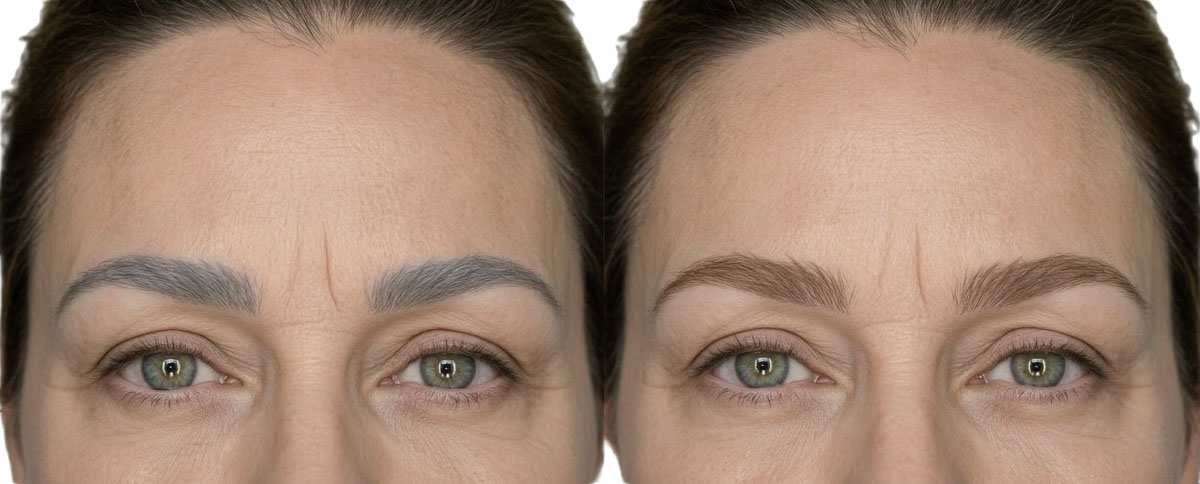
- Some appear grey and require warmth to rebalance
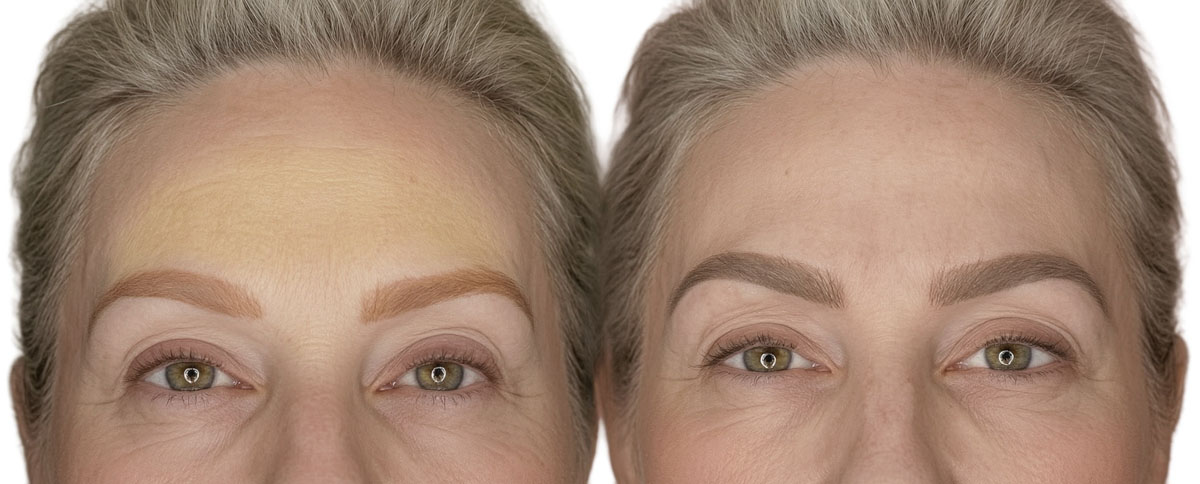
- Some appear orange and require neutralization before rebuilding
This is where understanding why microblading turns different tones becomes essential.
Because without identifying the true color, the next step cannot be performed correctly.
Depth of Pigment Is Evaluated
Color alone is not enough.
Depth matters.
Pigment that sits deeper in the skin behaves differently than pigment that sits more superficially.
This affects how correction is approached.
It determines:
- How much adjustment is possible
- How the skin will respond
- How many sessions may be required
Shape Is Reviewed Carefully
Structure is just as important as color.
The existing shape must be analyzed:
- Is it balanced?
- Is it symmetrical?
- Does it support the face?
Correction is not just about improving color—it is about restoring harmony.
A Correction Plan Is Created
Once assessment is complete, a plan is created.
This plan is structured—not reactive.
It outlines:
- What needs to be addressed first
- What can be adjusted later
- How the process will unfold over time
This is what separates correction from standard brow work.
It is not about immediate results—it is about controlled progression.
The Process Is Structured — Not Rushed
Correction follows a sequence.
Each step builds on the last.
Skipping steps or rushing the process leads to imbalance.
This is why correction is never rushed.
Because control requires patience.
Color Must Be Balanced First
Before any new color is added, the existing color must be balanced.
This is the most critical step.
Because color does not cover color—it blends with it.
This is why layering without strategy leads to blurred results.
Neutralization must happen first.
Only then can rebuilding begin.
Correction Is Built in Layers
Correction is not completed in one session.
It is built gradually.
Each session focuses on:
- Balancing color
- Refining structure
- Improving clarity
This layered approach creates control.
Healing Is Part of the Process
After each session, healing takes place.
Healing is not just recovery—it is where the result is formed.
This is why understanding the healing process is essential.
Because what is seen immediately is not the final outcome.
Adjustment Follows Healing
Once healing is complete, the result is reassessed.
Adjustments are made based on how the skin responded.
This ensures that each step is informed by the previous one.
Correction Is a System — Not a Single Action
Every stage of correction is connected.
Assessment leads to planning.
Planning leads to execution.
Execution leads to healing.
Healing leads to adjustment.
This cycle continues until balance is achieved.
Why This Process Matters
Without structure, results become unpredictable.
With structure, results become controlled.
This is why correction requires a completely different skill set.
Because it is not about applying technique—it is about managing a process.
Ready to begin a structured approach to your brows?
Schedule your appointment and start a correction plan built on precision and strategy.