POWDER BROWS, OMBRE BROWS CORRECTION • DALLAS • DFW
REAL RESULTS, INDUSTRY LEADER
“Should I get powder brows, ombré brows, or a correction?”
The answer surprises many people.
If you’ve never had permanent makeup before, choosing between microblading, powder brows, or ombré brows makes sense.
However, if you’ve already had cosmetic tattooing—whether it was microblading, powder brows, combination brows, or even eyebrow tattoos from the 1990s—you are no longer choosing between completely different services.
You are having a correction.
The beautiful healed result of that correction is very often a soft powder brow. That isn’t because powder brows are trendy. It’s because they work with the pigment that already exists in your skin rather than trying to recreate brand-new hairstrokes over years of previous tattooing. Understanding that one idea helps simplify almost every decision clients struggle with.
Once You Have Permanent Makeup, Everything Becomes Correction
This is probably the most important concept on our website. Permanent makeup changes over time. Pigment remains in the skin. Colors evolve. Skin changes. Touch-ups add additional layers. Eventually your artist is no longer working on untouched skin. They’re working with existing pigment. That means the appointment becomes corrective by nature. Whether your original brows were:
- Microblading
- Powder brows
- Combination brows
- Ombré brows
- Older cosmetic tattooing
- Traditional permanent makeup
Every future appointment begins with one question: “What already exists in the skin?” Everything after that is built around correction. If you’re just beginning your correction journey, our Eyebrow Tattoo Correction Hub explains the complete process from evaluation through long-term maintenance.
Why Most Long-Term Corrections Become Powder Brows
Many clients arrive believing they simply need another set of hairstrokes. Sometimes that is possible. More often, especially after several previous procedures, it is no longer the healthiest long-term option. Microblading depends on clean, visible skin between each hairstroke. That empty space is what allows the eye to separate one hair from another.
After multiple procedures, the remaining pigment begins filling that space.
The brows become softer.
The strokes merge.
Eventually the eye no longer sees individual hairs.
It simply sees pigment.
Rather than continuing to fight that natural process, BrowBeat embraces it. Our correction philosophy is to work with the existing pigment rather than against it. That usually means transitioning the brows into a beautiful, soft powder brow created specifically for the skin that exists today. Clients experiencing blurred strokes may also find our Blurry Microblading Correction guide helpful.
microblading
Powder Brow
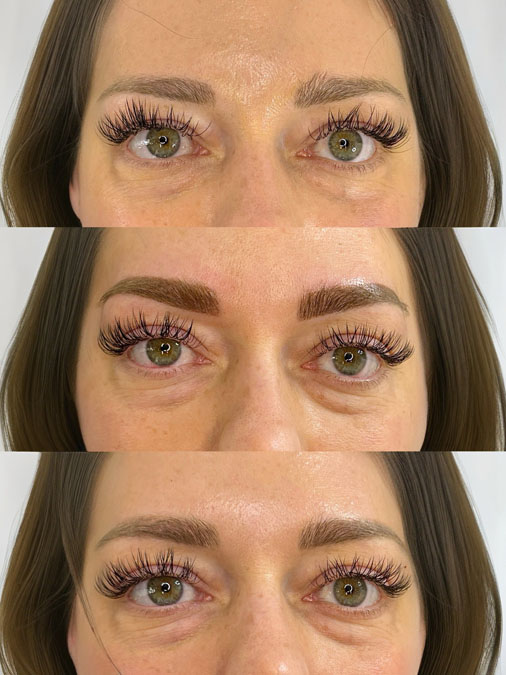
This before-and-after shows how older microblading with softened, blended hairstrokes can transition into a refined powder brow correction. The existing pigment became part of the foundation, allowing the corrected brows to appear softer, more balanced, and intentionally finished.
microblading
Powder
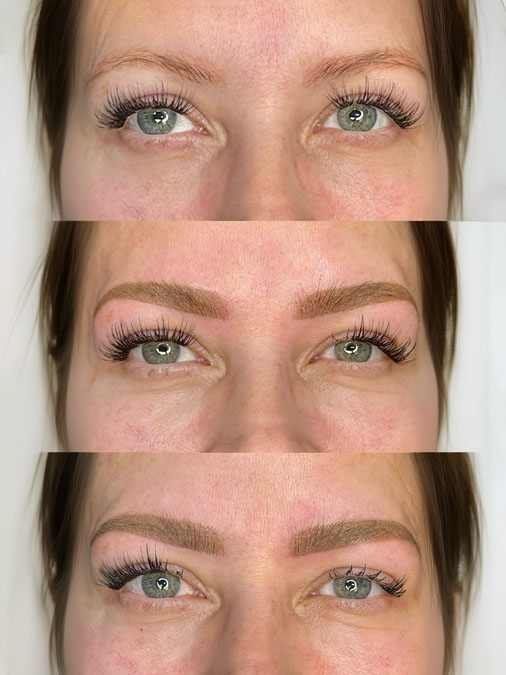
This client is a 32-year-old female with Fitzpatrick Skin Type IV who had previous microblading completed approximately four years earlier. While she still appreciated the general eyebrow shape, she felt the brows no longer framed her face with the same definition they once had. The hairstrokes had naturally softened and she had begun relying on eyebrow makeup again, prompting her to research a microblading redo to a powder brow.
During evaluation we assessed the healed pigment, remaining hairstrokes, previous procedure history, natural eyebrow hair and the overall eyebrow design before determining the most appropriate treatment plan. Every microblading redo begins with understanding the current eyebrow rather than automatically assuming another procedure is necessary. Cases like this often overlap with old microblading correction, faded microblading, microblading refresh, and microblading revision, making professional evaluation an essential part of successful microblading correction. This example demonstrates why clients throughout Dallas seek experienced guidance before deciding whether to redo microblading or pursue another correction pathway.
shape correction
Powder Brow

Older cosmetic tattoos often contain faded color, an established shape, and years of previous pigment. This transformation shows how an old eyebrow tattoo can be modernized through color balancing, shape refinement, and a soft powder brow correction.
old
Correction

Once pigment already exists in the skin, every future appointment must account for what remains. This presentation explains why color, saturation, shape, tissue condition, and previous procedures naturally turn long-term permanent makeup maintenance into corrective work.

Powder Brow Correction Is Not the Same as Getting New Powder Brows
This distinction is incredibly important. Someone receiving powder brows for the very first time is working with untouched skin. A correction client is not. Correction artists must evaluate:
- Existing pigment.
- Color shifts.
- Scar tissue.
- Previous brow shape.
- Pigment saturation.
- Natural eyebrow hair.
- Long-term maintenance.
Every one of those factors influences how the correction should be performed. For clients whose previous work has changed color over time, correction often includes both shape refinement and microblading color correction or broader eyebrow color correction before the final powder brow is created.
Doesn’t Chase Hairstrokes Forever
Our philosophy is simple. Healthy skin creates beautiful brows. Instead of asking, “Can we fit in another set of hairstrokes?” we ask, “What technique will create the most beautiful healed result while protecting your brows for the next ten years?” That question changes everything. Many clients have already had:
- Two microblading procedures.
- Three maintenance appointments.
- Several touch-ups.
- Corrections by multiple artists.
At that stage, repeatedly adding more hairstrokes often creates additional density instead of additional realism. A carefully designed powder brow correction usually provides a softer, cleaner, more elegant healed appearance. Clients with several previous procedures should also read our Multiple Layers of Microblading page and our Scarred & Overworked Brows guide.
The Pointillism Philosophy
Rather than repeatedly placing pigment directly over saturated areas, pointillism allows extremely controlled placement throughout the brows.This creates several important advantages.
It Works With Existing Pigment
Instead of continuously stacking pigment directly over old cosmetic tattooing, pointillism often allows us to work around existing color, gradually softening transitions while building a refined powder brow.
It Supports Color Correction
Many correction clients need more than shape improvement. Gray, blue, red, or orange pigment often requires thoughtful neutralization before the healed brow reaches its final appearance. Pointillism allows color correction to be incorporated naturally throughout the treatment.
It Creates Beautiful Soft Powder Brows
Rather than trying to recreate fresh microblading over years of previous pigment, pointillism creates beautifully controlled powder brows that age gracefully while respecting the skin’s history.
It Protects Future Maintenance
Every BrowBeat correction is planned with future maintenance in mind. The goal is never today’s appointment alone. The goal is helping your brows continue looking beautiful five, ten, and fifteen years from now.
Why We Don’t Recommend Chasing Hairstrokes Forever
One of the biggest changes in permanent makeup over the last decade has been our understanding of how cosmetic tattooing ages. When microblading first became popular, the goal was beautifully crisp hairstrokes. They looked incredibly natural, and for the right client they still can.
What the industry couldn’t fully appreciate at the time was what those same brows would look like after years of maintenance. Today, we have the benefit of seeing healed results five, ten, fifteen, and even twenty years later.
We’ve learned that every eyebrow tattoo leaves pigment behind. Every maintenance appointment becomes part of the brow’s history. Eventually, there comes a point where adding another complete set of hairstrokes no longer creates the most natural-looking result. That doesn’t mean anything has gone wrong. It simply means your brows have reached the next stage of their life.
Instead of trying to recreate the look of a brand-new microblading procedure, we focus on creating the most beautiful healed brow possible using the pigment and skin that exist today. For many long-term correction clients, that naturally evolves into a soft powder brow that blends seamlessly with the existing tattoo instead of competing against it.
Correction Is About Looking Forward—Not Starting Over
Many clients believe that choosing a powder brow means giving up on the natural look they originally wanted from microblading. In reality, the opposite is often true. A well-designed powder brow correction doesn’t erase the history of your brows—it works with it. The existing pigment becomes part of the foundation, and the correction is designed to create a softer, more balanced appearance that heals beautifully over time.
Rather than trying to recreate the look of brand-new skin, we create the best possible brow for the skin you have today. That philosophy leads to more predictable healing, healthier long-term maintenance, and a brow that continues to age gracefully.

Every Previous Procedure Becomes Part of the Next One
One of the most important things clients learn during a correction consultation is that cosmetic tattooing is cumulative. Every procedure leaves pigment behind. Every touch-up becomes part of the next appointment. Every correction adds another chapter to the story of your brows. That is why we never evaluate today’s appointment by itself. We evaluate everything that came before it. This includes:
- Previous microblading.
- Powder brows.
- Combination brows.
- Older permanent makeup.
- Color changes.
- Scar tissue.
- Previous correction attempts.
- The amount of pigment already present.
Only after understanding that complete history do we determine the safest and most beautiful correction strategy.
Choosing the Technique That Will Still Look Beautiful Years From Now
The best correction isn’t necessarily the one that looks the most dramatic immediately after treatment. It’s the one that continues looking beautiful years later. That is why our correction philosophy focuses on long-term planning rather than short-term results. We ask questions such as:
- Will this age naturally?
- Does the existing pigment support additional hairstrokes?
- Would a soft powder brow produce a more refined healed result?
- Will today’s decision preserve future maintenance options?
- How can we protect healthy skin while improving the appearance of the brows?
Those questions help guide every recommendation we make. Clients wondering whether they need a simple maintenance appointment or a more comprehensive correction may also find our Refresh or Correction? guide helpful.
Case Study: When the Best Correction Wasn’t More Microblading
A client scheduled a consultation asking for another microblading appointment because her hairstrokes had gradually faded over several years. During the evaluation it became clear that the original strokes hadn’t actually disappeared—they had merged together after multiple maintenance appointments. Instead of creating another complete set of hairstrokes, we recommended transitioning the brows into a soft powder correction using our pointillism technique.
The healed result looked lighter, softer, and more natural because it worked with the existing pigment instead of adding another competing pattern of strokes.
Powder Brows Aren’t Giving Up—They’re Moving Forward
Some clients hear the words “powder brows” and immediately think they are settling for something less natural than microblading. That simply isn’t true. The goal of correction is not to recreate the brow you had five or ten years ago.The goal is to create the most natural, balanced, and beautiful brow possible today.
For many correction clients, a soft powder brow actually looks more natural than repeatedly trying to add new hairstrokes over years of existing pigment. Instead of competing with the old tattoo, the correction blends with it. The result is softer transitions, better color balance, and brows that continue aging gracefully. Rather than thinking of powder brows as a different service, think of them as the natural evolution of long-term permanent makeup maintenance.
Case Study: Three Microblading Procedures Became One Beautiful Powder Brow
A client arrived believing she needed another microblading appointment because her brows no longer looked crisp. She had received three previous procedures over several years and assumed another set of hairstrokes would restore the original appearance. After evaluating the existing pigment, it became clear that the original strokes were still present—they had simply merged together through years of maintenance. Adding another complete pattern of hairstrokes would only increase the density.
Instead, we created a correction plan using our pointillism technique, allowing the existing pigment to become the foundation for a soft powder brow. The healed result appeared lighter, softer, and more refined than another microblading procedure could have achieved.
Case Study: Powder Brows After a 1990s Eyebrow Tattoo
Another client had cosmetic tattooing completed decades earlier. The brows had faded into several different colors after years of aging and occasional touch-ups. She assumed her only choices were complete removal or living with the old tattoo forever.
Instead, we evaluated the remaining pigment, corrected the unwanted color, refined the overall shape, and transitioned the brows into a modern powder brow. The correction respected the history already present in the skin while creating a much softer, more contemporary appearance.
If you have older permanent makeup, you’ll also find our Old Eyebrow Tattoo Correction and Old Eyebrow Tattoo Color Correction guides helpful.

What Happens During a Powder Brow Correction?
Every correction begins with understanding what already exists .Rather than deciding on a treatment before seeing your brows, we evaluate your complete permanent makeup history and develop a plan specifically for your skin. Your consultation includes evaluating:
- Existing pigment density.
- Current color.
- Previous procedures.
- Scar tissue or tissue changes.
- Overall brow shape.
- Natural eyebrow hair.
- Long-term maintenance goals.
Once that evaluation is complete, we can determine whether your brows are best served with color correction, shape refinement, a soft powder brow correction, or a staged treatment plan. Before your appointment, we also encourage clients to review our Treatment Process so you’ll know what to expect from consultation through healing.
The Best Correction Is the One That Protects Your Future Brows
Every cosmetic tattoo becomes part of the next one. That is why every correction decision should be made with the future in mind. Instead of asking how much pigment can be added today, we ask how today’s treatment will influence your brows five or ten years from now.
That long-term approach helps prevent unnecessary pigment buildup, preserves healthy tissue, supports more predictable healing, and creates brows that continue looking soft and natural instead of becoming increasingly heavy with each maintenance appointment.
Beautiful permanent makeup isn’t just about the next appointment. It’s about creating brows that continue aging beautifully for years to come.
Frequently Asked Questions About Powder Brow Corrections
If you’ve never had permanent makeup before, you’re choosing between different eyebrow techniques.
If you’ve already had cosmetic tattooing, you’re no longer choosing between separate services—you are having a correction. In many cases, that correction naturally becomes a soft powder brow because it works with the pigment already in your skin.
Not always. After multiple procedures, there is often too much existing pigment to create the crisp separation needed for realistic hairstrokes. Rather than adding another layer of strokes, many clients achieve a more natural long-term result with a powder brow correction.
Because powder brows blend beautifully with existing pigment. Instead of competing against older tattoo work, they create a soft, balanced finish that often heals more predictably after years of permanent makeup maintenance.
Not at all. Microblading can produce beautiful results for the right client. The important consideration is what happens years later. As pigment accumulates through maintenance appointments, the correction strategy often changes to reflect the condition of the skin and existing pigment.
Yes. Powder brows age just like every other cosmetic tattoo. Color may shift, shapes may need refinement, and maintenance techniques evolve over time. Correction focuses on improving the brows you have today rather than repeating the original procedure.
Color correction is often incorporated into the treatment before or during the powder brow correction. Existing pigment influences every treatment decision, which is why every correction begins with a thorough evaluation.
Many clients with previous permanent makeup have some degree of tissue change. That does not automatically prevent correction. The technique simply needs to respect the existing tissue while creating the healthiest possible long-term result.
That is always the goal. A well-designed powder brow correction should complement your facial features, blend naturally with your existing pigment, and age gracefully over time.
Very often, yes. Whether the original procedure was microblading, powder brows, or cosmetic tattooing completed decades ago, many older tattoos can be modernized through a carefully planned powder brow correction.
Every artist has a different level of experience with corrective permanent makeup. Some brows do benefit from lightening before correction, while others can be improved without complete removal. Every recommendation should be based on your individual brows rather than a general rule.
Most clients benefit from having their brows evaluated every 12 to 18 months. That does not automatically mean another procedure is needed. Maintenance is based on the condition of your brows rather than a fixed schedule.
BrowBeat Blog