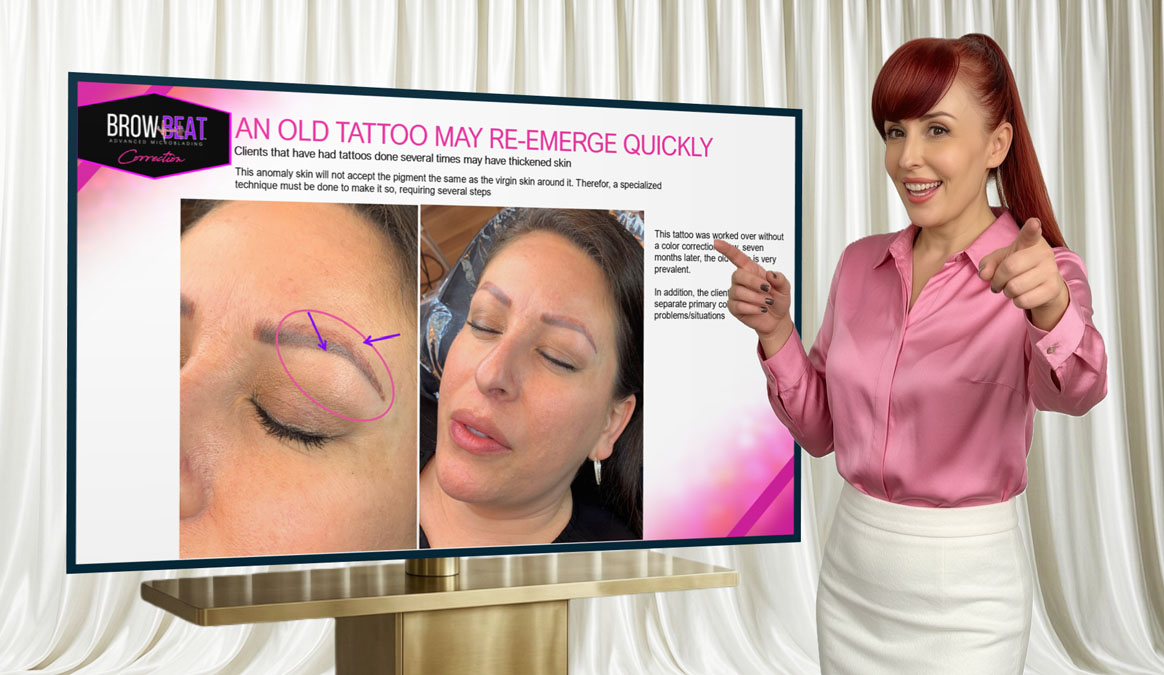
CAN MULTIPLE LAYERS OF MICROBLADING BE CORRECTED?
REAL RESULTS, INDUSTRY LEADER
One of the biggest concerns clients have after years of microblading is that their eyebrows no longer look the way they once did.
- The strokes aren’t as crisp.
- The pigment looks heavier.
- The brows feel darker than they remember.
- Some wonder if they’ve had too many microblading treatments.
The reassuring news is that this is incredibly common. It doesn’t automatically mean anything was done incorrectly. It usually means your eyebrows have simply reached the next stage of their permanent makeup journey. Every microblading appointment leaves pigment behind. Over time, those treatments become layers. Those layers become part of your brow’s history.
Understanding that history is the first step toward creating a correction that looks beautiful today and continues aging beautifully for years to come.
What Does “Multiple Layers of Microblading” Mean?
Most clients don’t realize they’re building layers because each appointment happens months or years apart. The first procedure heals beautifully.
- A touch-up is completed.
- A yearly maintenance appointment follows.
- Another artist performs the next visit.
- Several years pass.
- Eventually there are multiple generations of pigment within the brows
That progression is completely normal. In fact, it’s exactly what we expect to see after years of microblading maintenance. The important question isn’t whether your brows contain several layers. The important question is how those layers should be managed moving forward.
If you’re wondering whether your brows need a simple refresh or a completely different treatment approach, understanding the difference between a refresh and a correction is an excellent place to begin.
Years of Microblading Change the Way Brows Heal
Many clients tell us the same story. “My first microblading healed beautifully.” The second procedure also looked wonderful. By the third or fourth appointment, however, the brows began healing differently.
The strokes became softer.
The fronts became heavier.
The pigment appeared darker even though the client wasn’t asking for darker brows. That happens because every appointment builds upon the pigment already present beneath the skin. Over time the available space between individual strokes becomes smaller. The eye gradually stops seeing separate hairstrokes and begins seeing a softer, more continuous eyebrow.
Clients experiencing this often discover that what they believed was fading is actually years of pigment accumulation. Our page on correcting blurry microblading explains why this natural softening happens after repeated maintenance.
microblading
Correction
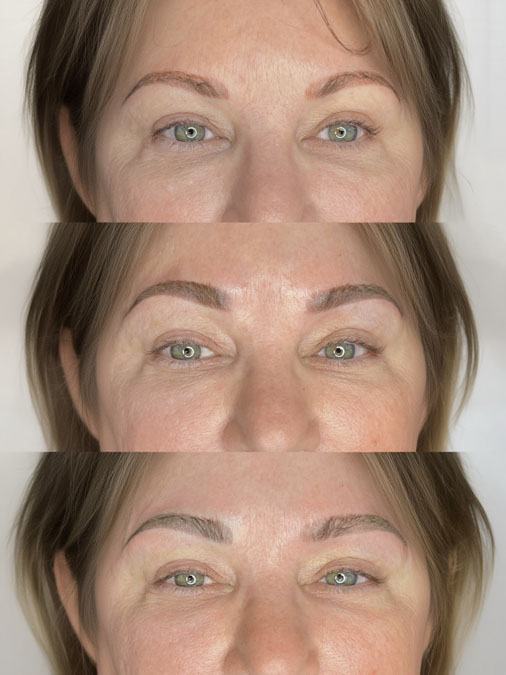
This before-and-after shows how several generations of healed microblading pigment can be brought together through a customized correction plan. Rather than adding another full layer of hairstrokes, the existing pigment was evaluated and refined to create a softer, more balanced brow.
BLURRY
Correction
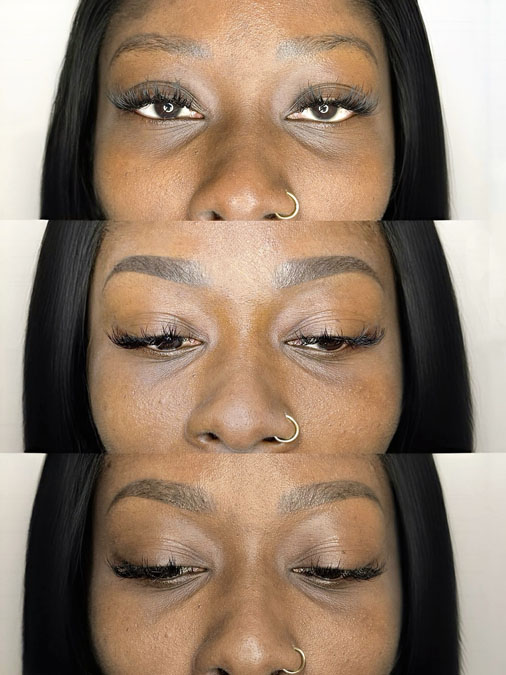
Years of maintenance can gradually soften hairstrokes and increase pigment density, even when each individual appointment seemed appropriate. This result demonstrates how long-term microblading can be reassessed and transitioned into a cleaner, more intentional brow design.
multiple
Microblading
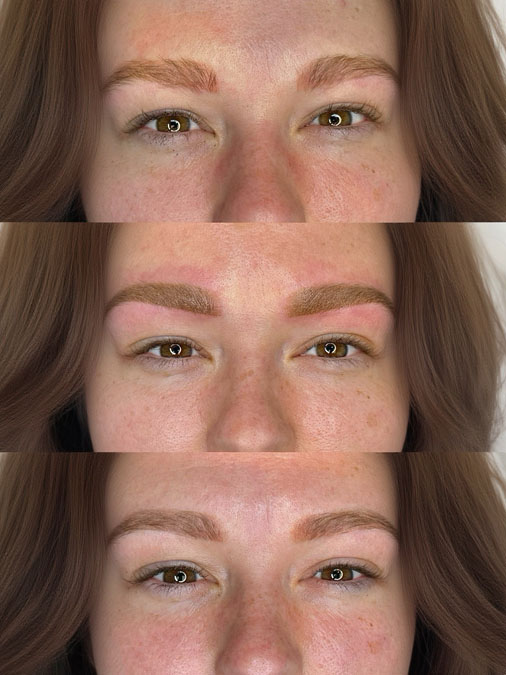
As multiple hairstroke patterns accumulate, the visible space between strokes can disappear and the brows may begin to look blurred or solid. This transformation shows how layered, blurry microblading can be corrected into a more polished and balanced healed result.
blended
Strokes
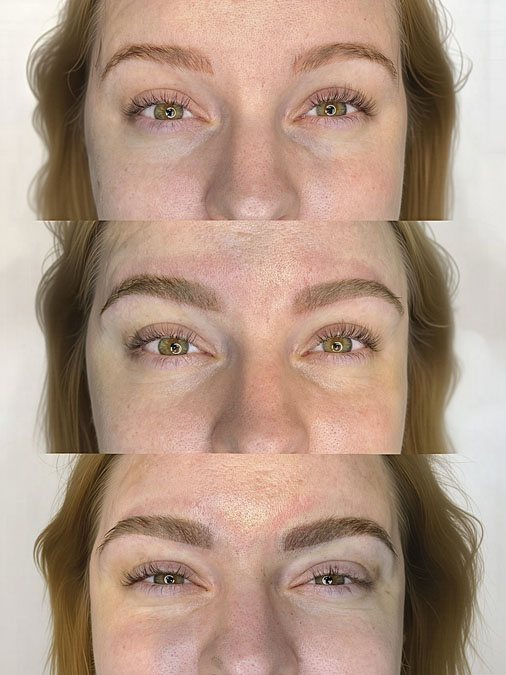
When several microblading treatments have created a shaded background, another complete set of strokes may add density rather than definition. This result shows how existing layered pigment can become the foundation for a soft powder brow correction that looks cohesive and naturally refined.
Too Many Microblading Treatments Doesn’t Mean Your Brows Are Ruined
This is one of the biggest misconceptions we hear. Clients often apologize for having “too many treatments.” They assume they’ve somehow damaged their brows simply by maintaining them. Fortunately, that usually isn’t the case. Most people who have enjoyed permanent makeup for years have multiple layers of pigment. That isn’t unusual. It’s simply part of having long-term cosmetic tattooing.
The focus now shifts away from adding another routine touch-up and toward developing a correction plan that respects the pigment already present. Every existing pigment situation is unique. Some brows need only subtle adjustments. Others benefit from correcting color, refining shape, or creating a completely fresh treatment plan built around the existing pigment.
Our Philosophy: Work With Existing Pigment, Not Against It
One principle guides every correction we perform. Preserve what still works. Improve what no longer does. Rather than viewing years of microblading as a problem, we view those years as information. They tell us how your skin heals. How your pigment behaves. How your brows have evolved over time. That information helps us create a correction designed specifically for your eyebrows—not someone else’s.
If your biggest concern is that previous maintenance has changed the overall shape of your brows, correcting the shape of older microblading may be one of the most important parts of your treatment plan.
When Multiple Layers Become a Correction Instead of a Touch-Up
There comes a point in many clients’ permanent makeup journey where another maintenance appointment is no longer the best solution. Not because something has gone wrong. Because the brows have changed. Instead of continuing to build layer upon layer, we begin looking at the eyebrows differently. The question becomes:
“What treatment will create the healthiest, most natural-looking brows moving forward?”
That often means beginning a correction rather than another routine touch-up. Correction allows us to evaluate the entire history of the brows instead of focusing only on the next appointment. If previous maintenance has also created thicker tissue or heavier pigment, you’ll find our guide to scarred and overworked brows especially helpful because it explains how repeated treatments influence long-term correction planning.
Why Years of Microblading Maintenance Change the Treatment Plan
Permanent makeup isn’t static. Your skin changes. Pigment changes. Your face changes. Your brows naturally evolve over time. Because of those changes, the treatment that was perfect five years ago may no longer be the treatment that creates the healthiest result today. Many clients think they simply need another maintenance appointment because that’s what they’ve always done. Instead, years of microblading often signal that it’s time to evaluate the brows differently. Rather than asking how to repeat the last procedure, we ask what your brows need now.
Sometimes that’s subtle color balancing.
Sometimes shape refinement.
Very often, it’s a comprehensive correction built around the pigment present.
Clients trying to decide whether another appointment should be a refresh or a correction are often surprised by how different those two services really are.
Every Layer Tells Us Something
One of the advantages of corrective permanent makeup is that previous pigment provides valuable information. Each layer tells us:
- How your skin retains pigment.
- How previous colors have aged.
- How your eyebrows heal.
- Where pigment has remained stable.
- Which areas may need a different approach.
Rather than ignoring those layers, we use them to guide the correction. They become part of the treatment plan instead of something we’re trying to pretend doesn’t exist.
That thoughtful approach allows us to preserve healthy tissue while creating brows that look softer and more balanced than another routine maintenance appointment often can.
Case Study: Eight Years of Microblading Maintenance
A client came to us after maintaining her microblading for nearly eight years. She wasn’t unhappy with her original artist. In fact, she loved her brows for many years. What had changed wasn’t the quality of the original work.
It was the amount of pigment now present after years of maintenance. The strokes had gradually blended together, creating fuller, heavier brows than she wanted. Instead of repeating another complete microblading procedure, we developed a correction plan based on the brows she had today. The existing pigment became the foundation for a softer, more refined healed result rather than something that needed another layer.
Case Study: Multiple Artists, One Correction Plan
Another client had received microblading from three different artists over several years. Each appointment introduced slightly different techniques, pigments, and stroke patterns. By the time she arrived for correction, the question wasn’t which artist had been right or wrong. The question was how to bring everything together into one balanced, natural-looking brow.
The correction focused on the eyebrows as they existed today—not on recreating any one previous procedure. That approach allowed the brows to feel cohesive again instead of layered.

The Goal Isn’t More Pigment—It’s Better Planning
One of the biggest shifts in corrective permanent makeup is understanding that more pigment isn’t always the answer. Sometimes the healthiest decision is simply changing the strategy.
Instead of automatically adding another complete procedure, we evaluate how the brows have evolved through years of maintenance and determine what will create the best healed result moving forward. For many clients, that means correcting the existing pigment instead of continuing the same maintenance cycle.
If previous work has also changed the overall color of your brows, correcting multiple pigment colors within the same eyebrows may become an important part of your overall correction plan.
Correction Is the Next Chapter—Not the End of the Story
Years of microblading don’t mean you’ve reached the end of your permanent makeup journey. They simply mean your brows have entered a new chapter. The goal is no longer maintaining the brows exactly as they looked years ago. The goal is creating the most beautiful version of your brows today while protecting how they’ll continue to age in the future. That philosophy guides every correction we perform.
Instead of asking how to repeat the past, we ask how to build the best future for your eyebrows. If you’re wondering whether your brows can still be improved after years of maintenance, learning whether your brows can be fixed without starting over is an excellent next step.
Your Brows Have Evolved—Your Treatment Should Too
Years of microblading maintenance are normal. Multiple layers of pigment are normal. Needing a different treatment approach after years of permanent makeup is also normal. Your brows today are different from the brows you had after your very first procedure. That doesn’t mean anything went wrong.
It simply means your permanent makeup has reached a new stage, and your treatment plan should evolve with it. By understanding your existing pigment instead of automatically adding another layer, we can create a correction designed specifically for the brows you have today—and for the brows you’ll continue enjoying for years to come.
Before your consultation, you may also find it helpful to learn more about our treatment process, browse educational articles on our blog, contact us with any questions, or return to our home page. You can also continue exploring our complete Eyebrow Tattoo Repair Hub for additional correction resources.
Multiple Layers of Microblading: Understanding Years of Microblading Maintenance
Yes. Many clients come to us after years of microblading maintenance with many layers of pigment already present. The correction begins by evaluating what remains, determining what can be preserved, and developing a treatment plan that improves the brows without simply adding another routine touch-up.
There isn’t one number that applies to everyone. Every existing pigment situation is unique. Some clients have very little remaining pigment after several procedures, while others accumulate pigment more quickly. The condition of the brows—not the number of appointments—determines the next step.
Every procedure leaves pigment behind. Over time those layers accumulate, making the brows appear heavier even when each individual maintenance appointment seemed conservative.
In many cases the strokes haven’t disappeared—they’ve gradually blended together after years of maintenance. As the space between individual strokes becomes smaller, the eye naturally begins seeing one continuous eyebrow instead of separate hairs.
Absolutely. Many older microblading clients simply need a correction plan designed around their current pigment rather than another routine maintenance appointment.
Yes, with the right correction strategy. The goal is to work with the pigment already present while creating a softer, healthier long-term result that continues aging naturally.
Not necessarily. Many clients believe they need another touch-up when what they actually need is a correction. Evaluating the existing pigment helps determine which approach will produce the best long-term outcome.
Yes. Many correction clients have previously been treated by one or more artists. Existing pigment, healed color, skin quality, and long-term goals are all considered before creating a treatment plan.
Absolutely. Years of permanent makeup maintenance are common. The objective is not judging the previous work but helping the brows continue evolving in a healthy, natural-looking direction.
Those two concerns often occur together after years of maintenance. Existing pigment gradually softens while additional layers accumulate. Correcting blurred microblading is often part of the overall correction plan.
Yes. Previous maintenance appointments may gradually alter the overall appearance of the eyebrows. If shape has become your biggest concern, correcting older microblading shape may significantly improve the final result.
In many cases, yes. Existing pigment often becomes the foundation for a completely new correction plan. Every recommendation is based on the condition of your brows today rather than the number of previous procedures.
The first step is understanding your existing pigment. Once we know how your brows have evolved through years of maintenance, we can recommend the correction plan that will create the healthiest and most natural-looking long-term result.