
There is a very specific moment in brow correction that feels like the finish line. It comes after the sessions are complete, after the healing has settled, after the pigment has softened into the skin, and the structure finally feels balanced again. It is the moment when you look in the mirror and think, quietly but confidently, “these look right.” For many people, that moment feels like the end of the process. In reality, it is the beginning of something much more important. Because once the brows are corrected, the focus shifts from transformation to preservation, and that shift is what determines how long those results will actually hold their shape, softness, and clarity.
This is where most misunderstandings begin. Clients often believe that the artist creates the result, and once it is done, it simply lasts until it fades away. The truth is more nuanced. The artist creates the starting point, but the longevity of that result is shaped just as much by what happens after. It is shaped by timing, by awareness, by lifestyle, and by the choices made between appointments. This is not meant to create pressure. It is meant to create control. Because when you understand how your brows behave after correction, you are no longer reacting to changes. You are managing them intentionally.
Once correction is complete, the brows return to a natural fade cycle. This is one of the most important concepts to understand, and it is often overlooked. After two treatments, and sometimes three in more complex cases, the goal is to bring the brows back to a controlled, balanced starting point. From there, fading begins again. That is not a flaw. It is the design. Semi-permanent pigment is not meant to remain static forever. It is meant to evolve. That evolution is what keeps the result looking soft and natural over time, but it also means that maintenance becomes part of the long-term plan rather than an afterthought.
This is why education around pigment behavior is so essential. Pages like Why Color Changes in the Skin Over Time and Why Microblading Turns Grey Red Orange exist for a reason. They explain that fading is not random. It follows patterns. Different colors fade at different rates, and those differences influence how long a result appears balanced. Lighter, softer pigments tend to fade more quickly because of their composition. Darker pigments tend to hold longer because of their composition. Neither is inherently better. They simply behave differently. Understanding that allows clients to set expectations that align with reality instead of guessing when something might change. The longevity of your result depends as much on the original work as it does on the correction itself, which is why we explain when a refresh is appropriate and when a true correction is needed.
Understanding the Fade Cycle and Why Timing Matters
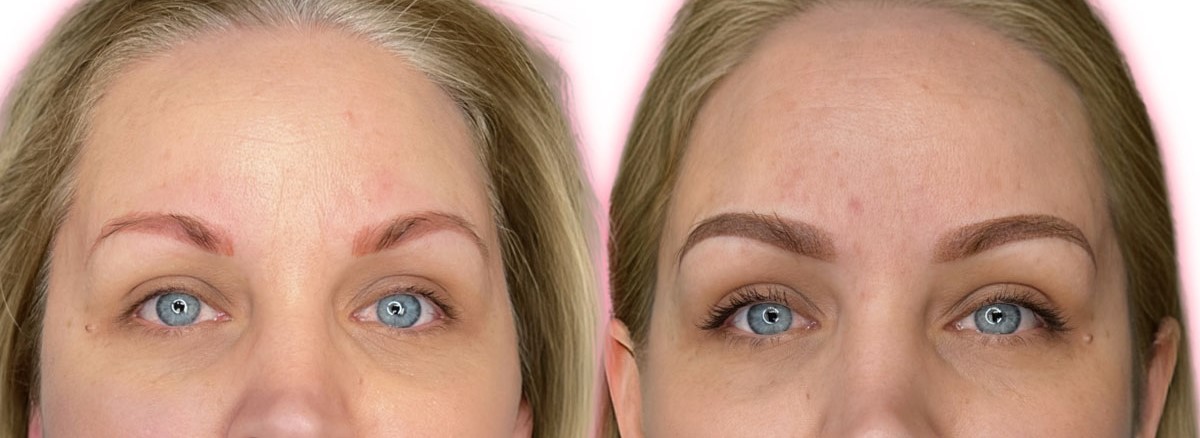
Most corrected brows will sit within a general longevity window of one to two years, but that range is not fixed. For many people, especially those with fair skin tones, softer pigment choices, or a preference for lighter, more natural brows, two years is often a stretch rather than the norm. The fade cycle begins earlier than most expect, and the key to maintaining a refined result is not waiting for the brows to completely fade before taking action. It is understanding when to return before the structure begins to feel lost.
This is where timing becomes one of the most valuable tools a client has. A common pattern is to let the brows fade gradually until one day they no longer feel balanced. At that point, the client often seeks correction again, when what was actually needed was maintenance. Those are two very different paths. Maintenance preserves structure. Correction rebuilds it. The more consistently maintenance is approached, the less likely it is that the brows will return to a state that requires a more complex intervention.
This is why a yearly maintenance rhythm is often recommended. Not because it is arbitrary, but because it aligns with how pigment tends to evolve. Returning once a year allows the artist to refresh color, maintain structure, and keep the overall look balanced. It prevents the need to rebuild what has already been established. It also protects the skin from overworking, which is one of the most important long-term considerations in this category. More is not better in brow correction. Controlled is better. Precision is better. Restraint is better.
That principle connects directly to another critical concept: spacing. Proper spacing between sessions is one of the most important factors in preserving clarity. If pigment is added too frequently, the result can become over-saturated. Over-saturation leads to a loss of definition, and definition is what makes brows look refined rather than heavy. This is why correction specialists are careful about timing. It is not about maximizing appointments. It is about protecting the integrity of the result over time. The process is not rushed because rushing disrupts the balance between pigment, skin, and healing. The same logic applies after correction. Maintenance should feel intentional. It should feel like part of a long-term plan.
How Skin, Lifestyle, and Daily Habits Influence Longevity
One of the most underestimated factors in brow longevity is the condition of the skin itself. Your skin is the canvas, and how you treat that canvas directly affects how pigment behaves. Healthy skin supports better retention. Compromised or overly treated skin can accelerate fading. This does not mean avoiding skincare. It means understanding how skincare interacts with pigment.
Exfoliating products, active ingredients, and resurfacing treatments all influence how quickly pigment fades. Retinoids, acids, and certain clinical treatments can gradually break down pigment more quickly than the natural fade cycle would on its own. Again, this is not about eliminating these products. It is about awareness. When clients understand that their skincare routine plays a role in pigment longevity, they can make more informed choices about how to balance skin health with brow preservation.
Sun exposure is another major factor. Ultraviolet light breaks down pigment over time, which means that consistent exposure without protection can accelerate fading significantly. Protecting the skin from the sun is not only beneficial for overall skin health, but also for maintaining the clarity and tone of the brows. It is one of the simplest, most effective ways to extend the life of a result without adding more pigment.
Lifestyle, more broadly, also plays a role. Skin type, environment, daily habits, and even how often the face is exposed to certain conditions all contribute to how long results hold. This is why two clients can receive the same treatment and experience slightly different timelines. It is not because the work was inconsistent. It is because the environment in which that work lives is different. Understanding that removes unrealistic comparisons and replaces them with a more accurate perspective on what longevity actually means.
This is where long-term thinking becomes essential. Brows should not be viewed as a one-time treatment. They should be viewed as an ongoing relationship. When clients approach their brows this way, they move out of a reactive cycle and into a maintenance cycle. Maintenance creates stability. Stability preserves softness. And softness is what keeps the result looking natural instead of overbuilt.
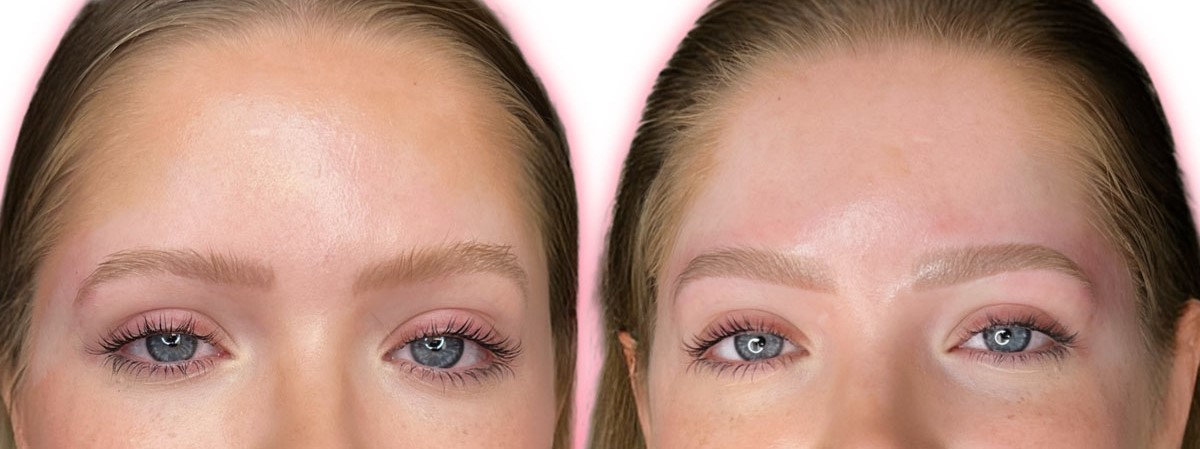
There is a simple principle that sits underneath all of this: less layering preserves better results. Every time pigment is added, something is being built. If that building is done too frequently or without restraint, the result becomes heavier. The goal is not to keep adding. It is to maintain clarity. That is why the most important mindset shift is moving away from perfection and toward preservation. As a guiding principle, it can be summarized very simply: we are maintaining clarity, not chasing perfection. Because chasing perfection often leads to overworking, and overworking leads back to the very problems correction was meant to resolve.
If you want your brows to last longer after correction, the foundation is understanding. Understanding how pigment behaves, how timing influences structure, and how your own habits affect the result. Once that understanding is in place, the process becomes far more controlled. And when the process is controlled, the results remain soft, balanced, and consistent for much longer.
Maintenance vs Correction: Why the Strategy Changes Everything
Once your brows have been corrected and brought back into balance, the most important shift is not visual—it is strategic. The goal is no longer to fix. The goal is to maintain. And while those two ideas may sound similar, they operate in completely different ways. Correction is reactive. It responds to pigment that has shifted, structure that has softened, or density that has built over time. Maintenance, on the other hand, is proactive. It preserves what has already been achieved before those changes begin to disrupt the overall look. When significant structural improvements are made, an eyebrow tattoo refresh may provide the most stable long-term outcome.
This distinction is where many long-term results either stay refined or slowly return to a place that feels less controlled. When clients wait until they no longer like their brows, they are no longer maintaining—they are correcting again. And while correction can absolutely guide the brows back to a better place, it requires more time, and more decision-making than simple maintenance would have required.
This is why understanding the difference matters. Educational pieces like Can You Fix Bad Microblading Without Starting Over and Can Old Microblading Be Corrected Without Removal reinforce that correction is always possible in many cases, but it is not always the most efficient path if maintenance could have preserved the result earlier. The most refined long-term outcomes come from staying ahead of change, not reacting to it after it becomes visible.
When maintenance is approached correctly, the brows never reach a point where they feel unbalanced. They evolve, but they do so gradually and under control. The color softens without losing direction. The structure remains intact without becoming heavy. The overall look stays aligned with the original intention rather than drifting away from it. That is the difference between preserving a result and repeatedly rebuilding it.
The Role of Restraint in Long-Term Brow Quality
There is a quiet principle that defines high-level brow correction and long-term maintenance: restraint. It is not something that is often discussed in obvious terms, but it is one of the most important skills both an artist and a client can develop. Because while it may feel intuitive to “add more” when something begins to fade, the most refined results are rarely built through constant addition. They are built through controlled, intentional decisions about when to add—and when not to.
Over time, repeated layering without adjustment can lead to density that feels heavier than intended. This is one of the reasons many clients begin searching for correction in the first place. What once looked soft and defined begins to look more solid. Edges soften. Individual detail becomes less visible. This is not because the original work was incorrect. It is because pigment, when layered repeatedly in the same way, naturally changes how it reads in the skin.

The goal in maintenance is to avoid that shift. It is to preserve the lightness and the softness that were created during correction. That often means doing less, not more. It means refreshing tone without rebuilding density unnecessarily. It means approaching each appointment with the question, “What is needed to maintain this?” rather than “How can we add to this?”
This is where the experience of the artist becomes essential, but it is also where the awareness of the client plays a role. When both sides understand that restraint preserves beauty, the long-term result remains far more stable. It does not drift into heaviness. It does not require repeated correction. It stays aligned with the original intention in a way that feels effortless, even though it is actually highly intentional.
How to Think About Your Brows Long-Term
One of the most valuable mindset shifts a client can make is moving away from the idea that brows are a one-time treatment. When brows are viewed as a single event, every change feels unexpected. Every shift feels like something has gone wrong. But when brows are understood as an evolving process, those same changes feel predictable. They become part of a cycle rather than a problem to solve.
This is why long-term planning matters so much. It allows the client to move from reacting to maintaining. Instead of asking, “Why do my brows look different?” the question becomes, “Where am I in the cycle, and what is the next step?” That change in perspective creates a completely different experience. It removes uncertainty and replaces it with structure.
This idea connects directly to broader educational frameworks like Microblading vs Shading vs Combo What Actually Matters Long Term. These conversations move beyond immediate results and focus on durability, adaptability, and how different approaches behave over time. Because longevity is not just about how long pigment stays in the skin. It is about how well the result holds its shape, tone, and balance as it fades.
When brows are maintained properly, they do not go through dramatic shifts. They transition gradually. They soften in a controlled way. And because the client understands that process, they are able to act at the right time rather than waiting until the result feels lost. That is what creates consistency. And consistency is what defines long-term success in brow correction.
Final Thoughts: Longevity Is Built, Not Left to Chance
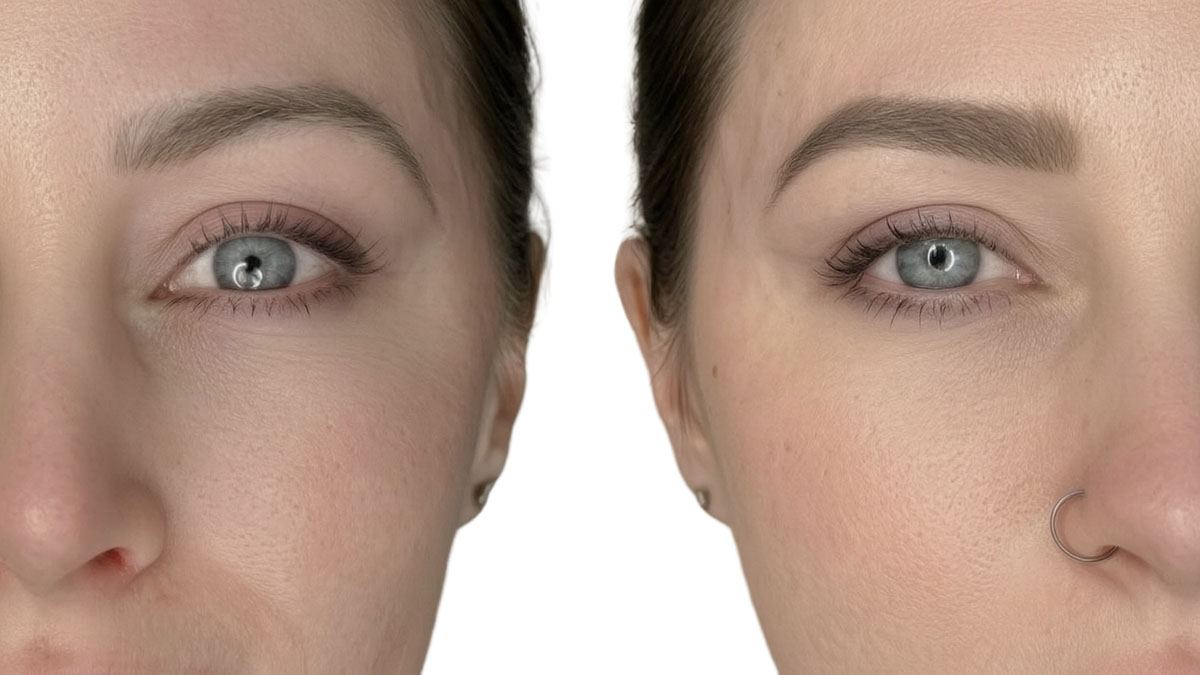
If there is one idea that defines long-term brow success, it is this: longevity is not something that happens automatically. It is something that is built. It is built through understanding how pigment behaves. It is built through timing appointments correctly. It is built through caring for the skin in a way that supports the result rather than working against it. And it is built through restraint, which protects the clarity that correction created in the first place.
Your brows are not a fixed result. They are an evolving one. And when that evolution is understood, it becomes something you can guide rather than something you have to react to. That is where control comes in. That is where confidence comes in. And that is where the experience shifts from uncertainty to stability.
Because when everything is aligned—timing, care, understanding, and strategy—the result does not just last longer. It stays better. And that is always the goal. These decisions are all part of our eyebrow tattoo redos, refreshes and revisions philosophy.
Frequently Asked Questions
How long do brow correction results typically last?
Most results last between 12–18 months, depending on skin type, pigment choice, and lifestyle factors.
Can I make my brows last longer than two years?
In some cases, yes, but most well-maintained brows are designed to fade rather than remain unchanged for extended periods.
How often should I come back for maintenance?
Once a year is a common recommendation to refresh color and maintain structure without losing shape.
What happens if I wait too long?
The brows may lose structure and require correction again rather than simple maintenance.
Does skincare affect my brows?
Yes. Active ingredients and exfoliation can accelerate pigment fading over time.
Does sun exposure really make a difference?
Yes. UV exposure breaks down pigment and can significantly shorten the lifespan of your results.
Why do lighter brows fade faster?
Lighter pigments contain no little to no black. Black’s structure holds longer in skin. Lighter pigments naturally fade more quickly because of this, especially those with softer or warmer bases.
Is fading a bad sign?
No. Fading is expected and part of how semi-permanent pigment behaves over time.
What is the best way to keep brows looking fresh?
Consistent maintenance, proper skin care, and protecting the skin from sun exposure all contribute to longer-lasting results.
Ready to Maintain Your Results the Right Way?
If your brows are starting to soften, or you want to stay ahead of the fade cycle, the next step is not guesswork—it is strategy. Explore what a correction actually involves, review the gallery, and when you are ready for a structured plan tailored to your brows, book an appointment. The goal is not to keep adding—it is to preserve what has already been built.