

It’s one of the most common assumptions in the brow industry—and one of the most misunderstood.
If something worked once, it should work again. The same strokes. The same pressure. The same pattern. The same technique.
But brows don’t work like that.
And over time, repeating the same technique without adjustment is exactly what causes results to shift, soften, and evolve in ways clients don’t expect.
Because the truth is simple:
The canvas changes—and once it does, the same technique no longer produces the same result.
The First Session Creates a New Foundation
The very first time pigment is placed into the skin, everything is controlled.
The skin is untouched. The structure is clean. The strokes sit exactly where they are intended to sit.
The artist is working with full control.
But once that session is complete and healed, something important has happened:
- The skin has been opened and repaired
- Pigment has settled beneath the surface
- The tissue has responded to the process
- A foundation has been created
This means that every future session is no longer working on untouched skin.
It is working on skin that already holds history.
And that changes everything.
Skin Is No Longer Untouched
After the first treatment, the skin behaves differently.
It may be slightly more delicate in certain areas, slightly more resistant in others. The way it accepts pigment is no longer identical to the first session.
This is not a flaw—it’s a natural response.
But it means that repeating the same technique without considering these changes introduces variables.
Even if the strokes are placed in the same pattern, they will not sit the same way.
Even if the pressure is identical, the result will not be identical.
Because the surface itself is no longer the same.
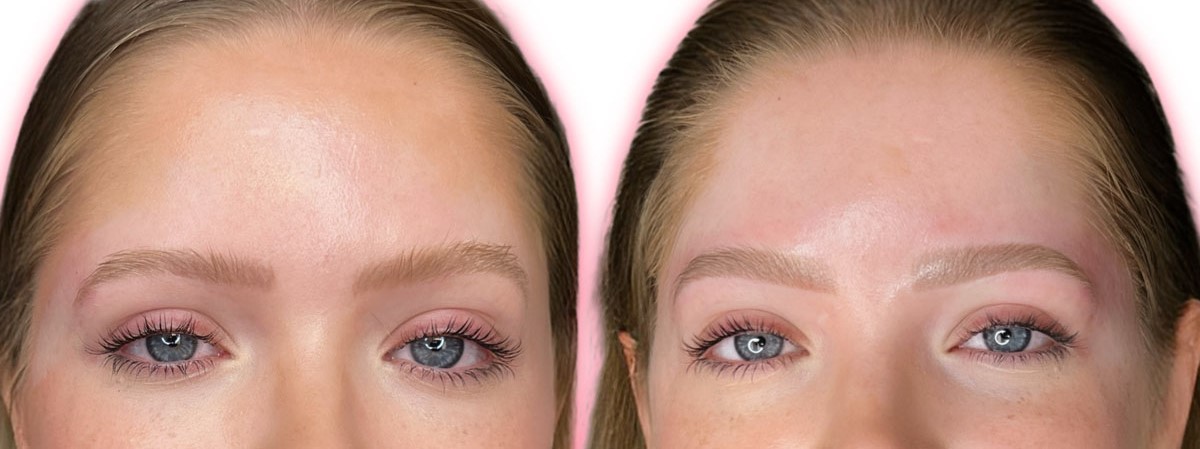
Pigment Remains in the Skin
One of the biggest misconceptions is that pigment disappears completely over time.
It doesn’t.
It softens. It diffuses. It shifts in tone. But it remains present in the skin.
This means that every new application of pigment is interacting with what is already there.
It is layering, not replacing.
This is why brows can look different years later even when they’ve been maintained consistently.
The visual result is not just the new work—it is the combination of everything that came before it.
Repeating Technique Ignores Existing Pigment
When the same technique is repeated without adjustment, it does not account for the pigment already present in the skin.
This leads to gradual buildup.
Each session adds more density. Each pass adds more visual weight. Each layer contributes to a more compact appearance.
Over time, this creates a shift from:
- Defined → softened
- Light → denser
- Separated strokes → blended structure
This is also why microblading can blur, spread, and lose shape over time.
It is not a single moment where something goes wrong—it is a gradual accumulation of repeated actions.
The Same Method Produces a Different Outcome
It’s important to understand this clearly:
The technique itself may be identical—but the result will not be.
This is because:
- The skin has changed
- The pigment has changed
- The structure has evolved
So even when everything is repeated precisely, the outcome shifts.
And this shift becomes more noticeable over time.
Results Compound Over Time
Brow work is cumulative.
Each session builds on the last.
This means that small changes, even subtle ones, begin to compound.
At first, the difference may be minimal.
But over multiple sessions, the accumulation becomes visible:
- Strokes no longer sit as crisply
- Edges soften
- Density increases
- Structure becomes less defined
This is why microblading does not stay crisp forever.
It is not designed to remain static—it evolves.
Buildup Changes the Appearance
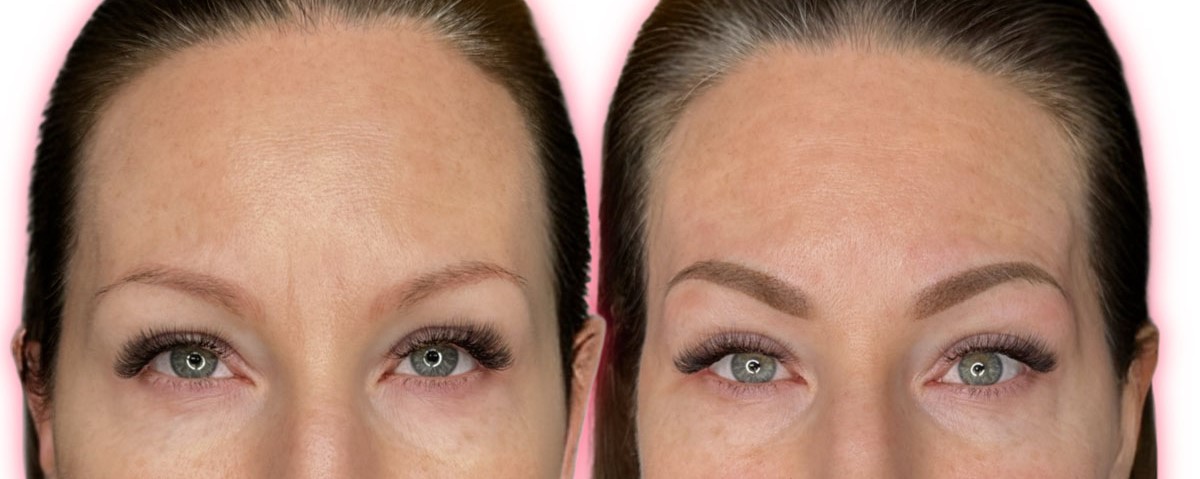
Repetition without adjustment creates buildup.
And buildup changes how brows look.
What once appeared soft and airy can gradually appear more solid and filled in.
This is not necessarily a negative outcome—but it is a different outcome.
And it happens slowly enough that many clients don’t notice until the change is already established.
This is why brows can begin to look more solid over time, even when the intention was always to keep them natural.
Blind Repetition Leads to Loss of Control
Repeating a technique without reassessment removes control from the process.
It becomes routine instead of strategy.
Habit instead of awareness.
And when that happens, the results are no longer being guided—they are simply unfolding.
True control comes from adjustment.
From understanding what has already been done and deciding what should happen next.
Each Session Requires Reassessment
No two sessions should be approached exactly the same.
Each one requires evaluation:
- How much pigment remains?
- How has the skin responded?
- What has changed since the last session?
- What is the long-term goal?
This is where experience becomes critical.
Because recognizing these variables—and adjusting accordingly—is what preserves structure and balance over time.
This is also why correction is a completely different skill set than initial application.
It requires a deeper understanding of how past work affects future results.
Technique Must Evolve
The most successful long-term results are not created through repetition.
They are created through evolution.
Technique must adapt to:
- Skin condition
- Pigment presence
- Structural changes
- Desired outcome over time
This is especially important when considering whether going over old work again is the right approach.
Because without adjustment, repeating the same method simply accelerates buildup.
Long-Term Thinking Is Essential
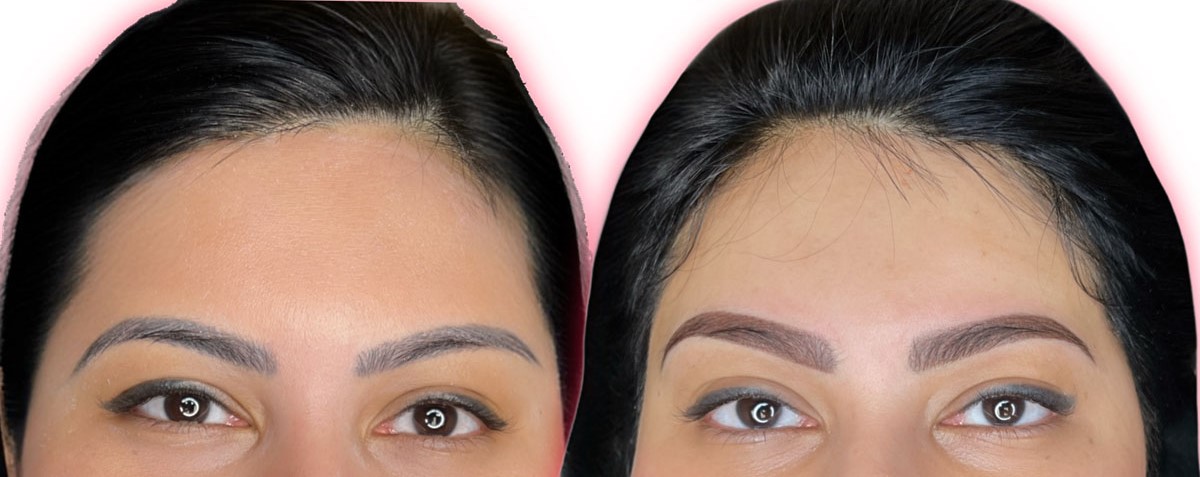
Brow work should never be viewed as a one-time result.
It is a long-term process.
Each decision affects the next outcome.
Each session contributes to the overall appearance years down the line.
This is why long-term thinking is essential.
Because the goal is not just how the brows look today—but how they will look after multiple sessions, after multiple years, after repeated exposure to pigment and healing cycles.
Awareness Improves Results
The difference between predictable results and unpredictable ones comes down to awareness.
Awareness of:
- Skin behavior
- Pigment interaction
- Structural evolution
- Long-term impact
When these are understood, results remain controlled.
When they are ignored, results begin to drift.
Results Reflect Decision-Making
At every stage, the outcome reflects the decisions made.
Not just the technique—but how that technique is applied over time.
Repetition without thought leads to buildup.
Adjustment with intention leads to balance.
And balance is what keeps brows looking natural, structured, and refined over the long term.
Understanding Prevents Unwanted Changes
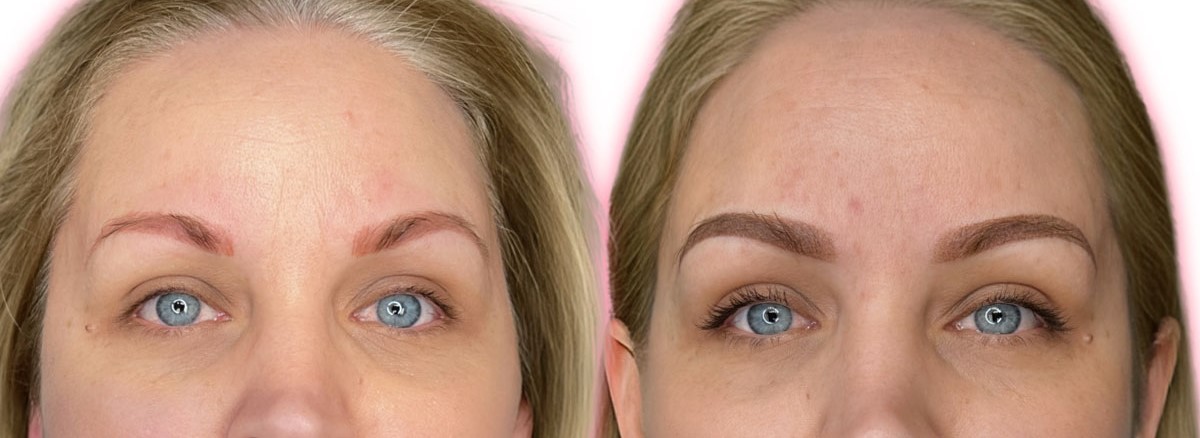
When clients understand how brows evolve, expectations shift.
Changes are no longer surprising—they are understood.
This reduces concern and allows for better decisions moving forward.
Because in reality, nothing has gone wrong.
The results are simply reflecting time, repetition, and the natural behavior of skin and pigment.
The Right Approach Protects Long-Term Results
The goal is not to repeat what worked once.
The goal is to understand what is needed now.
That shift—from repetition to strategy—is what defines long-term success.
If you’re unsure whether your current brows need adjustment or a more strategic approach, understanding what a correction involves is the best place to start.
Ready to take a more strategic approach to your brows?
Schedule your appointment and plan for results that evolve beautifully over time.