UNEVEN MICROBLADING CORRECTION • DALLAS • FORT WORTH
REAL RESULTS, INDUSTRY LEADER
Most uneven brows don’t begin uneven—they gradually become that way. As permanent makeup ages, one eyebrow often changes differently than the other. Clients across Dallas and Fort Worth Texas choose uneven microblading correction to restore balance while preserving a natural, effortless appearance.
Uneven microblading can show up slowly. At first, the brows may look balanced enough. Then, as the pigment softens over time, one brow may begin to look darker, higher, fuller, shorter, thinner, or less defined than the other. This does not always mean the original work was “bad.” In many cases, it simply means the brows have reached the next stage of their semi-permanent makeup journey.
Microblading has a beginning, a middle, and an end. As the strokes fade, the truth of the original depth, pressure, and consistency becomes easier to see. Some strokes may retain pigment longer. Others may soften sooner. One brow may stay more defined while the other loses detail. That is when clients often begin searching for uneven microblading correction, asymmetrical microblading, or crooked brows after microblading.
At this stage, the goal is not always to place new hairstrokes over old hairstrokes. Older microblading can become too layered when new strokes are repeatedly added on top of previous faded work. In many cases, a soft powder finish becomes the more elegant long-term direction because it blends the existing pigment, restores balance, and helps the brows age more gracefully. For broader information about previous microblading work, visit the microblading correction hub.
Why Microblading Can Look Uneven Over Time
Microblading does not always reveal its full story at the beginning. Fresh work can look very even because the pigment is new, the color is bold, and the shape appears freshly defined. Years later, the brows tell a more complete story. Strokes that were placed at a more consistent depth often fade more evenly. Strokes placed with slightly different pressure may fade at different speeds.
This is why uneven faded microblading can become more noticeable years after the original appointment. One section may retain more pigment. One tail may fade faster. One arch may stay sharper. One brow may look darker than the other even though both brows were originally treated at the same appointment.
This is not about blaming the artist. The permanent makeup industry has evolved tremendously over the last decade. Pigments, machines, techniques, aftercare, and our understanding of long-term brow aging have all improved. Many older procedures were performed using the best knowledge available at that time. Today, we simply understand more about how microblading changes over the years.
Uneven Microblading Is Not Always a Shape Problem
Many clients assume their brows are uneven because the shape is wrong. Sometimes that is true, but not always. Uneven microblading may also come from faded pigment, inconsistent retention, softened hairstrokes, or one brow holding color longer than the other. The shape may actually be workable, but the pigment distribution no longer looks balanced.
For example, one brow may look darker because it retained more pigment. The other may look thinner because more strokes faded. One tail may appear shorter because the end of the brow softened faster. One arch may look stronger because pigment remained more concentrated in that area. These small differences can make the eyebrows look asymmetrical even when the original mapping was reasonably close.
This is why uneven microblading correction begins with the brows you have today. The existing pigment, the faded areas, the natural eyebrow hair, and the current brow design all matter. The goal is not to chase perfect symmetry. The goal is to create brows that look balanced together and frame the eyes in a softer, more current way.
When One Brow Looks Darker Than the Other
One of the most common uneven microblading concerns is one brow darker than the other. This can happen when one brow retains pigment more strongly, when one side faded faster, or when previous strokes softened at different rates. It may also become more obvious after several years because older pigment can look denser in some areas and lighter in others.
In many Dallas correction appointments, clients say they are not sure whether the brow is crooked, faded, too dark, or simply uneven. Often, it is a combination. The darker brow may not need to be “removed,” and the lighter brow may not need more hairstrokes. The entire brow pattern needs to be evaluated so the treatment can restore balance without making the brows heavier over time.
Small color adjustments may also be part of the appointment when appropriate. If older pigment has become slightly warm, a small amount of green may be incorporated to soften red or orange tones. White may be added to keep the adjustment soft. These refinements are not separate services. They are part of creating a balanced result when the existing brows call for it.
Why New Strokes Are Not Always the Answer
Many clients expect uneven microblading correction to mean adding more hairstrokes. That is understandable, especially if the original treatment was microblading. But older microblading is not untouched skin. It already contains pigment, softened strokes, and previous placement decisions.
Adding new strokes over old strokes can sometimes make the brow look heavier instead of better. As microblading ages, strokes gradually soften, merge, and lose their original crispness. Repeatedly layering new hairstrokes over faded older hairstrokes can cause the overall look to slowly diminish. At a certain stage, the brows often benefit more from a soft powder finish than from trying to recreate individual lines.
This does not mean microblading failed. It means microblading has a natural shelf life. After several treatments over the years, many brows naturally transition toward powder because powder can blend the existing work more beautifully. This is especially true when the brows are uneven, asymmetrical, or no longer fading evenly.
If your previous microblading has become more like an uneven eyebrow tattoo than crisp hairstrokes, you may also want to compare this with eyebrow tattoo correction. This page explains situations where the concern is less about microblading strokes and more about an aged tattooed brow appearance.
Common Causes of Uneven Microblading
Uneven microblading is rarely caused by one single factor. More often, it is the result of several small changes that gradually become noticeable over the years. Semi-permanent makeup naturally fades, pigment changes, skin changes, and our own beauty preferences evolve. A brow that looked balanced several years ago may simply look different today.
One of the most common concerns we hear from clients throughout Dallas, Plano, Frisco, McKinney, Irving and the surrounding DFW Metroplex is that their eyebrows no longer look like they belong together. One brow may appear darker, one tail may seem shorter, or one side may simply look softer than the other. These changes usually happen gradually rather than overnight.
aged
Microblading

This Fitzpatrick III client from Highland Park first noticed something was different while getting ready for work. Every morning she filled in only her left eyebrow because it no longer matched the right. Looking back through photographs from several years earlier, both brows had originally looked more balanced. Rather than simply adding more strokes, we evaluated the remaining pigment, overall balance and long-term appearance before planning a softer, more natural correction that restored harmony between both brows.
uneven
Correction

This client from Dallas remembered loving her brows for years. Recently, however, she felt one eyebrow looked slightly shorter while the opposite brow appeared fuller. Rather than describing the brows as “bad,” we discussed how semi-permanent makeup naturally evolves and why one eyebrow often retains pigment differently than the other. Small refinements restored balance without dramatically changing the brow design she had enjoyed for so long.
adjusting
Symmetry
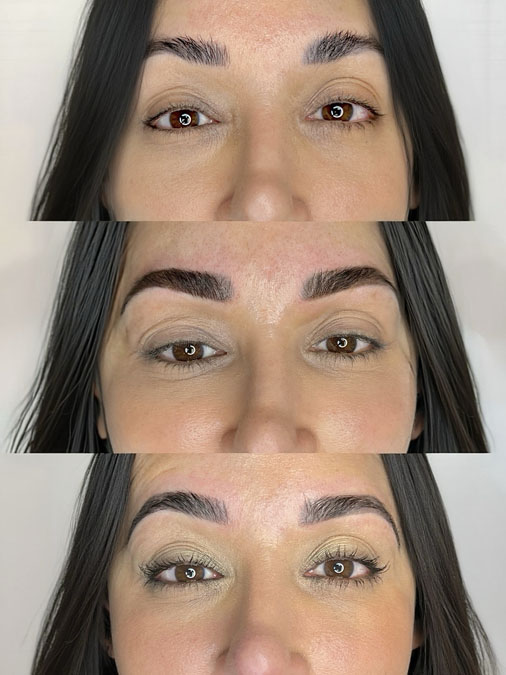
This 39-year-old client from Frisco was worried that correcting one eyebrow meant making both eyebrows thicker. During her consultation we reassured her that the goal wasn’t creating bigger brows—it was creating better visual harmony. Her natural facial expressions, existing pigment and previous microblading were all evaluated before planning subtle refinements that restored confidence while preserving a soft, effortless appearance.
uneven
Correction
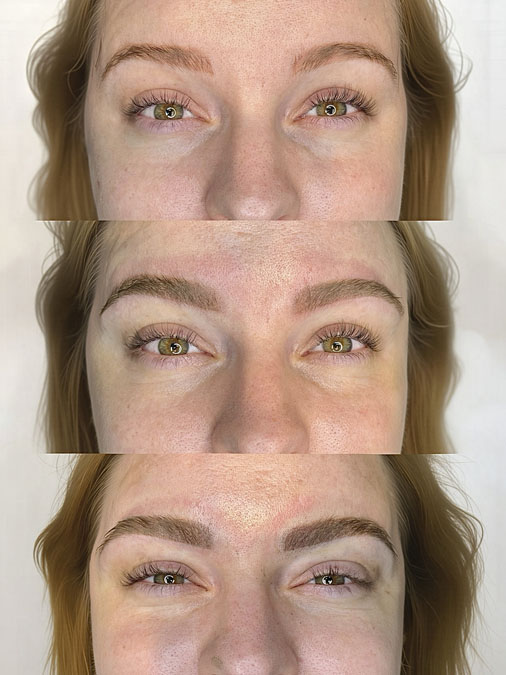
This long time client that flys to see us from another state gets her eyebrows revised regularly. She explained that her brows looked “different depending on the day.” Some mornings they appeared perfectly balanced. Other days one seemed fuller than the other. Looking back through older photographs, the difference had developed gradually. We explained how pigment naturally fades at different rates and how tiny differences become more noticeable over time. The procedure focused on restoring visual balance without making the brows heavier or dramatically changing their original character.

One Brow Retained More Pigment
Perhaps the most common reason for uneven microblading correction is that one eyebrow simply retained more pigment over time. This doesn’t necessarily mean anything went wrong during the original procedure. Skin is living tissue, and every eyebrow ages a little differently.
As the pigment naturally softens, one eyebrow may continue looking fuller while the other gradually loses definition. This often creates the impression that one brow is darker than the other, even though both eyebrows were originally completed during the same appointment.
Microblading Didn’t Fade Evenly
Many clients search for microblading didn’t heal evenly, but several years later the concern is usually that the brows didn’t fade evenly. Some strokes remain visible while others become softer and lighter. Eventually, the brows may appear noticeably asymmetrical because one section has retained more pigment than another.
This is one of the reasons we avoid judging previous work too quickly. Cosmetic tattooing continues to evolve, and we’ve learned a tremendous amount over the last decade about how brow pigment ages over time. Today’s appointment is based on the eyebrows you have now—not the eyebrows you had six years ago.
Previous Touch-Ups
Sometimes clients have had several maintenance appointments over the years. Small differences from one appointment to the next can gradually become more noticeable as the brows age. The goal isn’t to determine which appointment created the imbalance. Instead, we evaluate the existing brows and develop a treatment plan that creates the most balanced long-term appearance moving forward.
Changing Beauty Trends
Sometimes the brows are actually very similar, but beauty trends have changed. Fuller, softer eyebrows are often preferred today compared with the thinner arches that were common years ago. What feels like crooked microblading may actually be an older brow style that no longer matches the client’s current preferences.
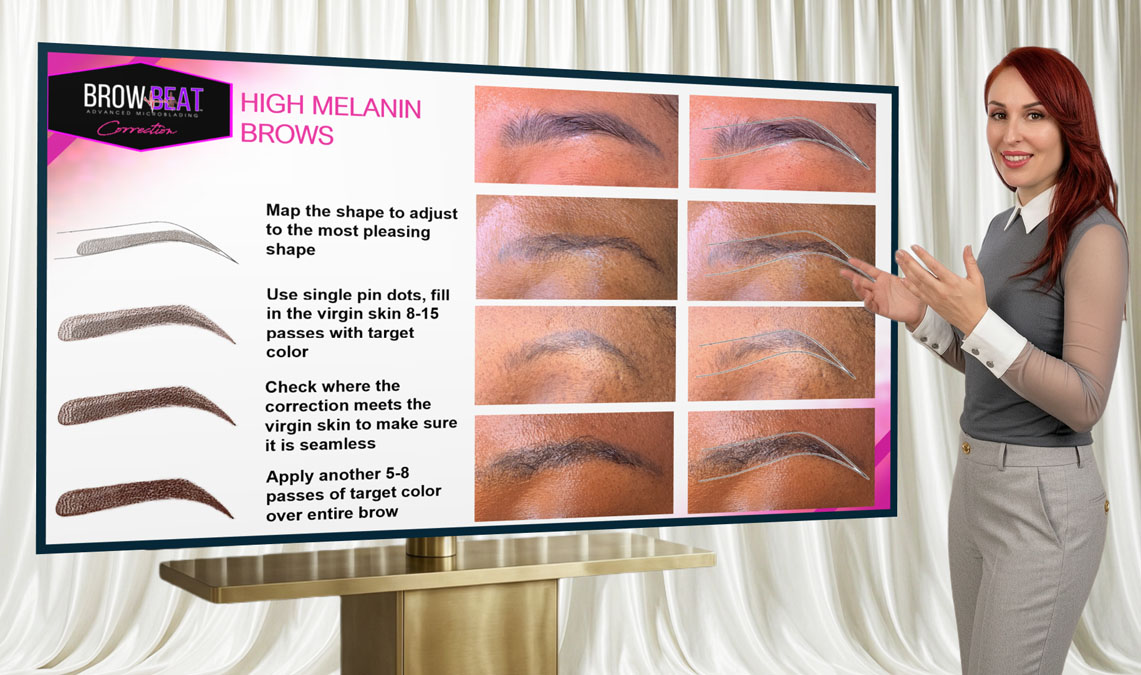
Every Uneven Brow Tells a Different Story
No two uneven eyebrows look exactly alike. Some clients notice one brow fading faster than the other. Others notice that one arch appears stronger, one tail looks shorter, or one eyebrow simply frames the eye differently. The important thing is understanding why those differences developed before deciding how to improve them.
Many correction appointments also include subtle refinements as part of the overall procedure. If slight warm tones have developed over time, a small amount of green may be incorporated to gently soften red or orange pigment while adding white to keep the adjustment light. These refinements are simply part of maintaining beautiful long-term brows rather than separate services.
If your uneven brows are primarily the result of fading, continue reading our guide on Faded Microblading Correction.
How Uneven Microblading Is Evaluated
One of the biggest misconceptions about uneven microblading correction is that the darker eyebrow simply needs to be lightened or the lighter eyebrow simply needs more pigment. In reality, successful correction begins with understanding why the brows no longer appear balanced.
Some clients have one brow that retained more pigment. Others have one tail that gradually softened. Sometimes the arch on one side has become more dominant because that area faded differently over time. These small differences may not seem significant individually, but together they can make the brows appear noticeably asymmetrical.
Rather than focusing on one isolated concern, we evaluate the eyebrows as a complete pair. The existing pigment, remaining definition, natural eyebrow hair, previous tattoo history and the way the brows frame the eyes all contribute to the final treatment plan.
Looking Beyond the Obvious
Many clients arrive believing they have crooked microblading, when the actual issue is uneven fading. Others believe one eyebrow is higher than the other, when in reality one side simply retained more pigment and therefore appears stronger.
Understanding the difference is important because the treatment should address the underlying cause rather than simply what appears most obvious in the mirror.
Small Refinements Create Beautiful Long-Term Results
Every appointment is individualized. Some brows simply need restored definition. Others benefit from small shape refinements. Some require subtle color balancing because the existing pigment has become warmer or cooler over time.
For example, if older pigment has developed slight red or orange tones, a small amount of green may be incorporated to rebalance the color while white is added to keep the adjustment soft. If older pigment appears blue or gray, carefully placed orange may be used to restore warmth while still maintaining a natural healed appearance. Tiny amounts of yellow may be used when purple tones are present, while flesh pigment can occasionally soften a stronger edge or help create a smoother transition in areas such as a square brow head or a more prominent arch.
These refinements are simply part of creating balanced brows. They are not separate procedures. Every treatment is tailored to the brows you have today.
When Previous Microblading Has Been Maintained for Many Years
One of the advantages of working with previous eyebrow tattooing every day is seeing how brows change over many years rather than only seeing fresh results.
Some clients visit after their first maintenance appointment. Others have maintained their brows for a decade or more. Occasionally we evaluate eyebrows that have undergone numerous previous procedures performed over many years. Those cases require thoughtful planning because every previous appointment contributes to the appearance of today’s brows.
As microblading naturally ages, the original hairstrokes gradually soften and begin blending together. Repeatedly placing new hairstrokes directly over older softened strokes doesn’t always produce the most natural long-term result. Instead, many brows naturally evolve toward a soft powder finish that blends the existing work together while restoring definition. This isn’t because something went wrong. It’s simply the natural progression of long-term semi-permanent makeup.

You Don’t Need to Diagnose Your Own Brows
Many people spend months trying to decide whether they have uneven microblading, crooked brows after microblading, asymmetrical eyebrows, or an uneven eyebrow tattoo. In reality, those descriptions often overlap.
You don’t need to determine exactly what category your brows fall into before scheduling an appointment. The important step is having the existing brows professionally evaluated. From there, the treatment is built around the brows you have today, not around a label.
When Is the Right Time to Correct Uneven Microblading?
One of the questions we hear most often is whether clients should wait until their microblading has completely faded before doing anything. In most cases, the answer is no. Semi-permanent makeup is designed to age over time and not all pigment will fade off entirely, some will almost always remain.
As the brows naturally soften, small differences often become easier to see. One eyebrow may gradually retain more pigment, one tail may become lighter, or one side may simply appear fuller than the other. These subtle changes usually happen slowly, which is why many people don’t notice them until comparing older photographs.
Small Changes Become Bigger Over Time
Uneven microblading rarely appears overnight. Most clients describe looking in the mirror one day and realizing something simply feels “off.” One eyebrow may look stronger, darker or slightly fuller, while the opposite brow appears softer and less defined.
Because these changes happen gradually, many clients assume they should simply wait longer. In reality, allowing the brows to continue fading isn’t always necessary. The goal is to maintain beautiful brows throughout their journey.
Maintenance Is Part of Beautiful Brows
Every beauty treatment requires maintenance. Hair color grows out. Eyelash extensions require fills. Nails are maintained regularly. Semi-permanent makeup is no different.
Many clients choose to refresh or update their brows every one to two years to help maintain a soft, balanced appearance. The treatment itself is always based on the condition of the existing brows rather than following a fixed schedule.

When Previous Work Is More Complex
Most clients simply have older brows that have naturally faded and become slightly uneven over time. Others arrive with a much longer history of previous work.
Some eyebrows have been maintained for many years. Others have been treated by multiple artists over the course of a decade or more. Existing scar tissue, layered pigment and previous procedures all influence today’s treatment plan.
These more complex cases don’t change our philosophy. We still begin with the brows you have today. The only difference is that more planning may be required to determine the most appropriate long-term approach. If your concern extends beyond uneven brows, you may also find these resources helpful:
Why Uneven Microblading Often Appears Years Later
Uneven microblading is not always obvious at the beginning. Fresh brows can look balanced because the pigment is new, the shape is newly defined, and every stroke appears more visible. The real story often appears later, as the brows naturally fade and soften over time.
As microblading ages, strokes placed at slightly different depths may fade at different speeds. One brow may retain more pigment. One tail may soften faster. One arch may stay more defined. This is why a client may love the brows for years and only later notice that the brows no longer look even.
This does not mean the brows were bad. The entire permanent makeup industry has been on a learning curve. Techniques, pigments, tools, and our understanding of long-term brow aging have all evolved. Experience matters because previous microblading tells a story over time, and that story is easiest to understand after years of seeing how brows actually age.
Why Older Microblading Often Transitions Toward Powder
Many clients expect uneven microblading correction to mean adding more hairstrokes. The challenge is that older microblading is not blank skin. It already contains softened pigment, faded strokes, and previous placement.
Microblading has a natural shelf life. After several years and multiple maintenance appointments, individual strokes gradually soften and begin blending together. Repeatedly placing new strokes over older faded strokes can make the brows look heavier over time instead of more natural.
For many long-term microblading clients, a soft powder finish becomes the next stage of the brow journey. Powder can blend uneven pigment, restore definition, soften asymmetry, and create a more polished result without trying to force new lines over older lines. This is not a failure of microblading. It is simply how brows evolve.
Uneven Microblading Correction in Dallas
Dallas has a large permanent makeup community, which means we see many different styles of previous microblading from different years, techniques, and artists. Some clients come in with brows that were done recently. Others have microblading that has been maintained for years and is now entering the next stage of its lifecycle.
Your Brows Are Allowed to Evolve
Beautiful brows are not created once and forgotten forever. Semi-permanent makeup has a beginning, a middle, and an end. As brows naturally fade, soften, and change over time, the treatment should evolve with them.
If your microblading now looks uneven, asymmetrical, crooked, or one brow appears darker than the other, it does not mean anything has gone terribly wrong. It may simply mean your brows are ready for their next stage.
The first step is understanding the brows you have today. From there, the appointment can be planned around restoring balance, softening unevenness, and helping your brows continue to age beautifully.
Book an Appointment or view our Gallery to see more correction work.
Frequently Asked Questions About Uneven Microblading Correction
One eyebrow often retains pigment longer than the other as microblading naturally fades. This doesn’t always mean anything went wrong during the original procedure. Over time, small differences become more noticeable, making one brow appear darker, fuller or more defined.
As microblading ages sometimes microblading variables become more noticeable. These variables may include artists pressure, pigment, lifestyle and personal biology.
In many cases. This decision is based on how the brows look today and the abilities and limitations of the artist you choose to work over your previous work. Being a young industry, this can vary.
Older microblading already contains softened hairstrokes. Simply placing new strokes over older strokes isn’t always the most natural long-term solution. Every appointment is planned around the condition of the existing brows.
Yes, when appropriate. Small color refinements are often incorporated as part of the overall treatment. For example, slight warm tones may be softened with small amounts of green while white helps keep the adjustment light. These are corrective techniques. These refinements are simply part of creating balanced, natural-looking brows.
They can. As pigment gradually softens, one eyebrow may retain more definition than the other, making existing differences appear more noticeable than they were immediately after the original procedure.
yes. Older microblading is evaluated according to its current condition. Every treatment is individualized to create the most balanced long-term appearance possible.
Clients visit from throughout Dallas, Highland Park, Preston Hollow, University Park, Plano, Frisco, Irving, Lakewood, Fort Worth and surrounding North Texas communities because previous microblading benefits from experienced corrective treatment planning.
Eyebrow Correction Blog