FAILED EYEBROW CORRECTION • DALLAS • DFW METROPLEX
REAL RESULTS, INDUSTRY LEADER
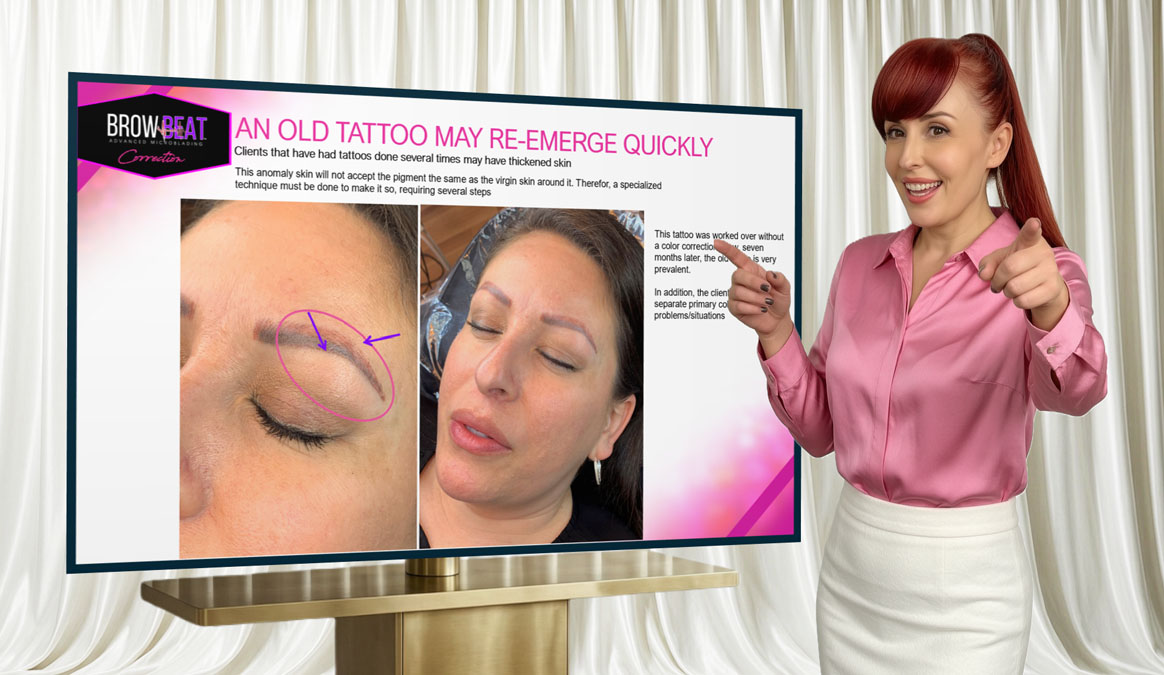
One of the most discouraging moments for a client is realizing that a previous eyebrow correction didn’t actually solve the problem. Throughout Dallas, Highland Park, University Park, Preston Hollow, Plano and the surrounding DFW Metroplex, we meet clients who invested time, money and trust into a correction procedure only to discover that the original concern eventually returned—or that a completely new concern developed. Understanding why a previous correction failed is the first step toward creating a healthier long-term solution.
This page is part of our complete Eyebrow Tattoo Repair hub. If your previous work has become oversaturated, continue with Oversaturated Eyebrow Tattoo. If an older tattoo is now visible beneath newer permanent makeup, read Tattoo Covered by Microblading. Clients wondering whether another correction or a complete redo is more appropriate should also compare Eyebrow Tattoo Redo.
When a Previous Correction Doesn’t Solve the Problem
Not every eyebrow correction achieves the long-term result a client hoped for. Sometimes the color improves for a while before gradually returning. Sometimes the shape still doesn’t feel balanced. Sometimes another layer of pigment simply creates a different problem instead of solving the original one. That experience can be incredibly frustrating because clients often feel they have already “tried to fix it.”
The good news is that a previous unsuccessful correction does not automatically mean your brows cannot be improved. It simply means today’s treatment should begin by understanding why the previous attempt didn’t produce the desired outcome.
Why Do Eyebrow Corrections Sometimes Fail?
There is rarely one single reason. Instead, several factors often work together. The original concern may not have been identified correctly. The underlying pigment may have been misunderstood. The skin may have already contained several previous pigment layers. The correction may have addressed the visible color without addressing the permanent makeup underneath. Or the brows may simply have continued evolving naturally after the correction healed. Understanding the cause is much more valuable than assigning blame.
A Correction Can Improve One Problem While Revealing Another
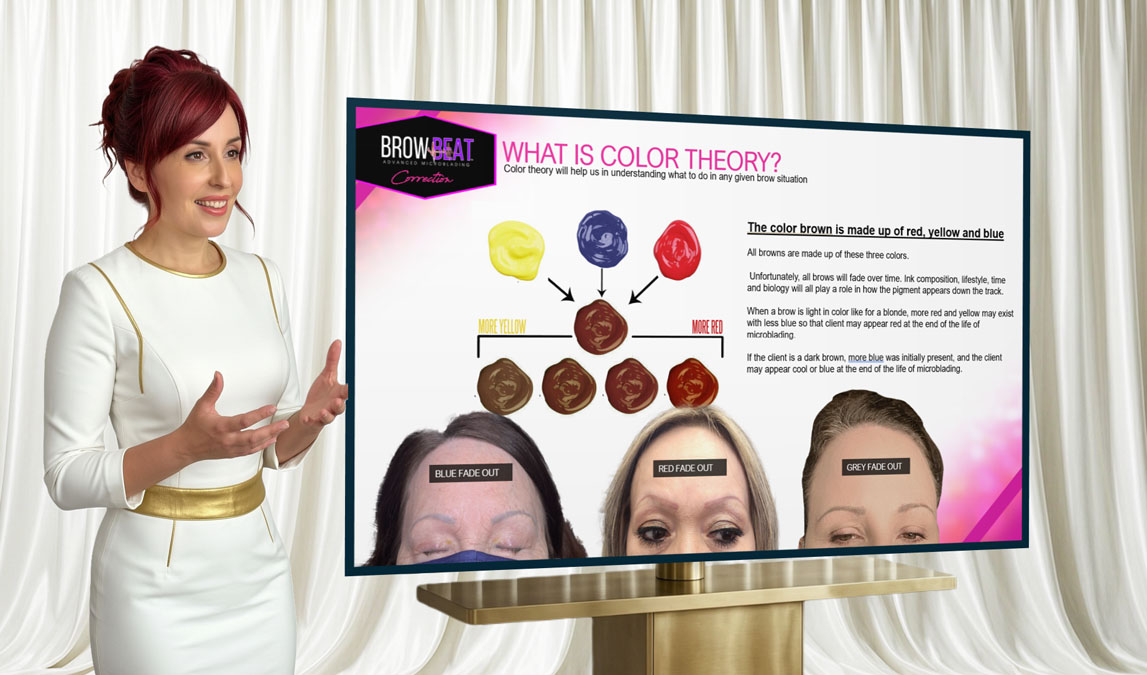
This is one of the most misunderstood parts of long-term permanent makeup. Imagine a client with orange brows. The orange is corrected successfully. Months later, an older grey pigment layer underneath becomes visible. The client understandably feels the correction failed. In reality, the first concern improved. A different concern simply became visible as the permanent makeup continued evolving. This is why modern correction looks beyond today’s color and considers the complete history of the brows.
REAL
Steps

Rather than focusing on what went wrong, experienced consultations focus on what can be learned. We study how the pigment healed, what improved, what returned and how the brows evolved afterwards. Those observations provide valuable information that helps create a more individualized treatment plan while reducing unnecessary pigment buildup in the future.
failed coRrectioN
Right

Permanent makeup is cumulative. Every correction, refresh and previous procedure contributes to the brows clients wear today. During consultations we explain that unsuccessful correction doesn’t erase previous work—it becomes part of the permanent makeup history. Understanding that history helps determine what the full correction journey will entail.
failed
Steps
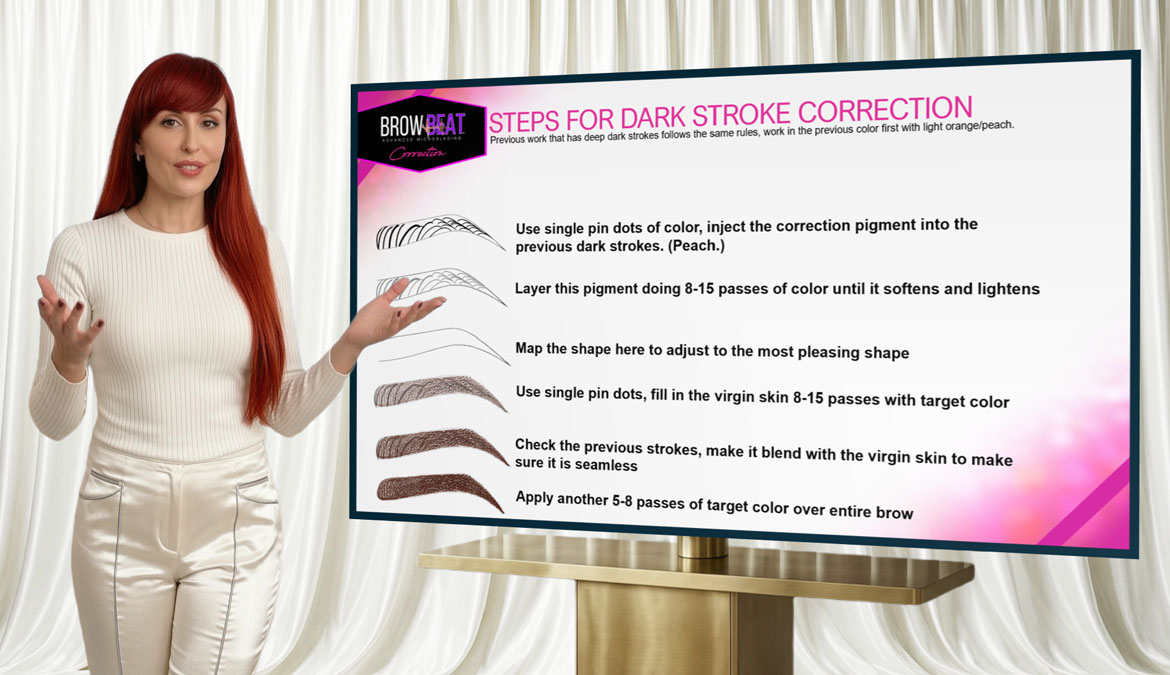
A correction may look beautiful immediately after healing yet gradually change as permanent makeup continues evolving. During consultations we explain that healed pigment, older tattoo layers and natural color changes all influence the long-term appearance of the brows. Understanding why the previous correction changed over time helps create more predictable recommendations moving forward.
failed
Steps
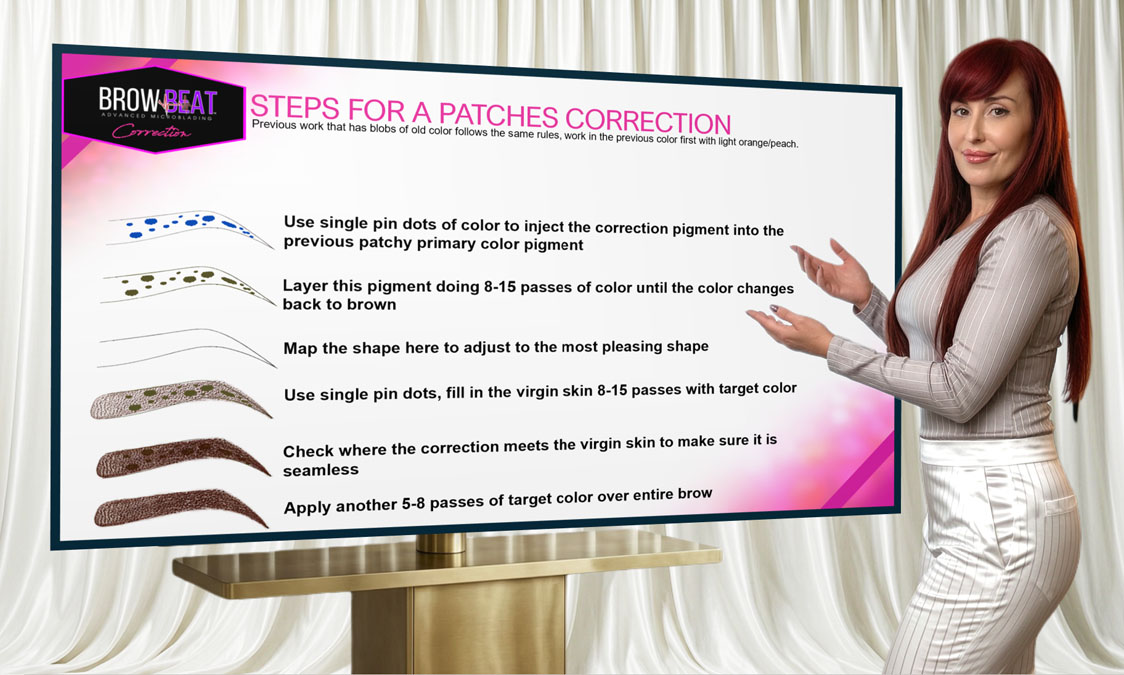
Many clients arrive feeling discouraged because they’ve already tried correcting their brows once. During consultations we explain that an unsuccessful correction doesn’t automatically mean the brows cannot be improved. More often, it means the original concern wasn’t completely understood and the skill level could not be achieved to produce the results. Every previous procedure gives us valuable information that helps build a healthier long-term correction plan.
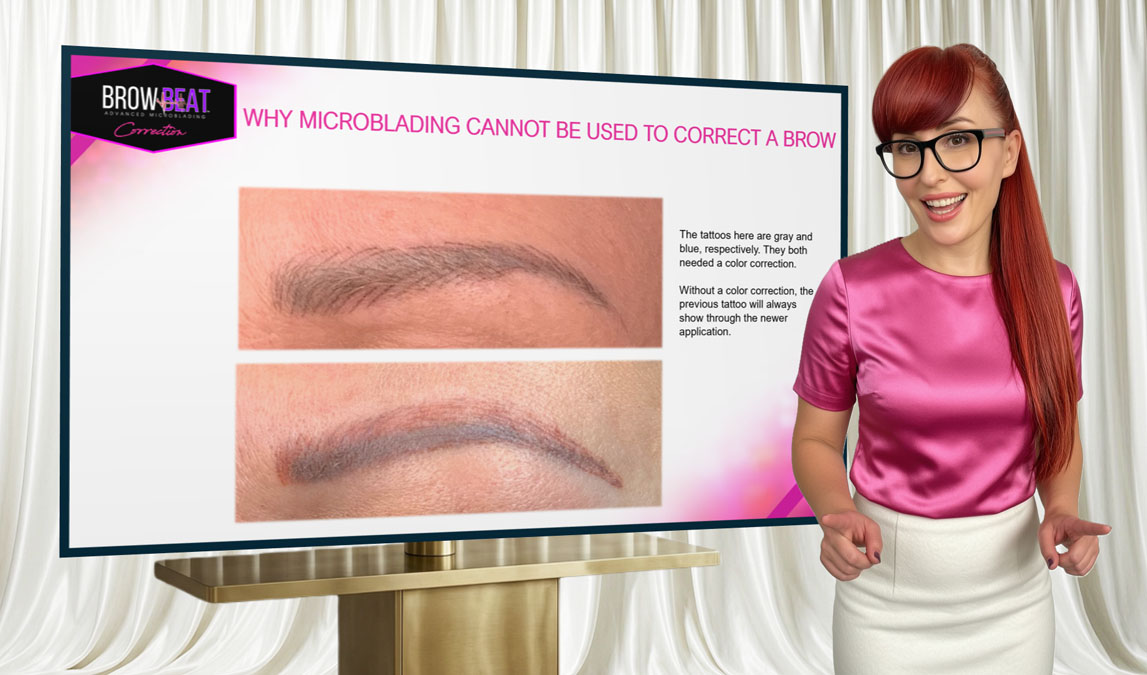
The Brow You Have Today Is More Important Than the Last Correction
One of our guiding philosophies is simple. Today’s brows determine today’s treatment. Rather than focusing on what was attempted previously, we begin by evaluating the permanent makeup exactly as it exists today.
- Current pigment.
- Current skin quality.
- Current brow shape.
- Current long-term goals.
Those factors matter much more than whether a previous correction was considered successful or unsuccessful.
Multiple Corrections Can Create New Challenges
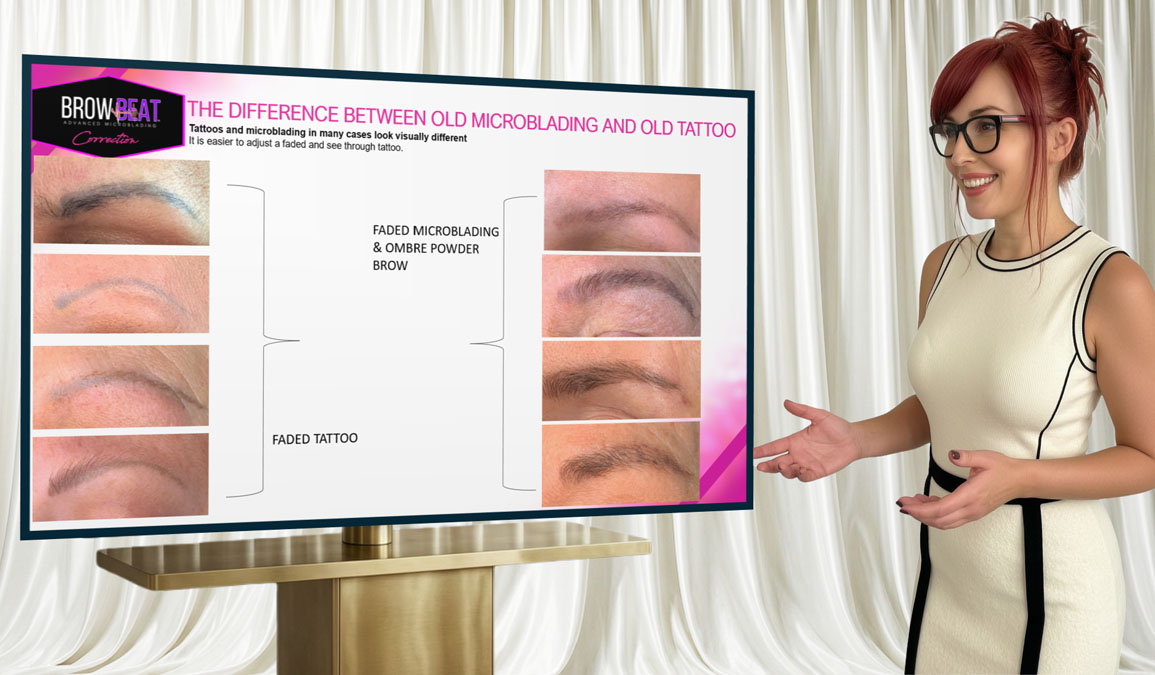
Some clients arrive after two, three or even four previous correction attempts. Each procedure may have been performed with good intentions. However, every appointment also adds another layer to the permanent makeup history. Eventually the brows may contain:
- the original tattoo
- a correction
- a refresh
- another correction
- new pigment placed over older pigment
By this stage, understanding the complete history becomes just as important as evaluating today’s appearance.
The Goal Isn’t Another Attempt—It’s a Better Plan
Clients who have experienced a previous failed correction often arrive looking for reassurance. They don’t want another guess. They want a plan. That is exactly how modern correction should begin. Instead of immediately discussing pigment, we first study:
- what happened previously
- what improved
- what didn’t improve
- what changed afterwards
- what the brows need today.
Only after understanding those answers do we recommend the healthiest long-term pathway. If your brows have become increasingly saturated after several previous procedures, continue with Oversaturated Eyebrow Tattoo. Clients whose older tattoo is becoming visible again should also read Tattoo Covered by Microblading. If you are deciding whether another correction or a completely new plan is appropriate, compare Eyebrow Tattoo Redo.
Not Every Failed Correction Was Poorly Performed
One of the most important conversations we have with clients is separating an unsuccessful outcome from poor intentions. Many previous artists genuinely tried to improve the brows using the information available at the time. Permanent makeup has evolved significantly over the last decade.
Today we understand much more about long-term pigment behavior, layered permanent makeup and how brows continue changing years after the original procedure. Because of that knowledge, today’s treatment recommendations are often different—not because someone necessarily made a mistake, but because the industry has learned from following thousands of healed results over many years.
Sometimes the Original Problem Was Never Fully Solved
A correction may improve the appearance temporarily while leaving the underlying concern untouched. For example:
- Grey pigment may have been covered instead of balanced.
- An uneven shape may have been darkened rather than redesigned.
- Old tattoo pigment may still exist beneath newer permanent makeup.
- Several pigment layers may continue competing as they naturally age.
Initially the brows often appear improved. As permanent makeup naturally evolves, however, the original concern gradually becomes visible again. This is one reason clients often believe the correction “failed.”
Permanent Makeup Continues Changing After Correction
One appointment rarely represents the final chapter of permanent makeup. Every correction continues aging. Pigment continues softening. Colors continue evolving. Skin continues changing. Because permanent makeup is always evolving, today’s beautiful correction should also be planned with tomorrow’s brows in mind.
This long-term philosophy is one of the biggest differences between modern permanent makeup correction and simply adding more pigment whenever a concern appears.
Why Another Layer Isn’t Always the Answer
Clients often arrive asking whether another correction will finally solve the problem. Sometimes it will. Sometimes another layer simply creates another layer. Every additional procedure becomes part of the permanent makeup history.
Over time the brows may contain several generations of pigment, making future maintenance increasingly complex. Rather than asking how much more pigment can be added, experienced correction asks whether another layer is actually the healthiest solution.

The Consultation Changes Everything
Clients are frequently surprised by how much time is spent discussing previous procedures before any treatment recommendations are made. That history matters. We want to understand:
- What was the original concern?
- What correction was attempted?
- What improved?
- What returned?
- What changed over time?
- What concerns exist today?
These answers help distinguish between pigment evolution, shape concerns, layered permanent makeup and unsuccessful previous planning. The better we understand the history, the more individualized today’s recommendation becomes.
Correction Should Build Confidence Again
Many clients arrive after a failed previous correction feeling hesitant about trying again. That hesitation is understandable. The goal is not simply recommending another procedure. The goal is rebuilding confidence through education, realistic expectations and a treatment plan based on today’s brows instead of yesterday’s disappointment.
Every correction should leave the client understanding exactly why a particular recommendation is being made and how it supports healthier permanent makeup for years to come. If repeated procedures have created dense pigment, continue reading Oversaturated Eyebrow Tattoo. If previous tattoo layers are becoming visible again beneath newer work, our Tattoo Covered by Microblading guide explains why this happens. Clients comparing treatment pathways may also benefit from Redo or Correction? before deciding their next appointment.
A Failed Correction Doesn’t Mean Your Brows Can’t Be Improved
One unsuccessful correction should never automatically convince you that your permanent makeup is beyond help. Many clients arrive feeling discouraged because they already invested time, money and hope into trying to improve their brows. Some tell us they are afraid of making the situation worse. Others worry they have simply “run out of options.” In reality, many failed corrections simply indicate that the original treatment plan no longer matched the condition of the brows. Understanding why that happened is often the beginning of a much healthier long-term solution.
Every Previous Procedure Leaves Information Behind
One of the biggest advantages of an experienced consultation is recognizing that previous work provides valuable information. The pigment tells us how it has healed. The skin tells us how it has responded. The shape tells us how the design has aged. The color tells us how the permanent makeup has naturally evolved. Instead of seeing previous procedures only as problems, we use them as clues that help guide today’s correction plan. Every healed brow teaches us something.
Modern Correction Is Built Around Long-Term Planning
The goal is not simply fixing today’s concern. The goal is helping the brows continue looking beautiful years from now. That means asking questions such as:
- Will this recommendation reduce future pigment buildup?
- Will the color continue aging naturally?
- Will future maintenance become easier?
- Will the brows continue looking soft and balanced?
Thinking beyond today’s appointment often creates healthier permanent makeup than repeatedly chasing one problem after another.
Sometimes the Best Solution Is a Different Direction
Clients occasionally expect the next correction to repeat the previous correction. Instead, today’s recommendation may be completely different. A previous correction may have relied on additional hairstrokes. Today’s brows may benefit from soft shading. A previous appointment may have focused on adding pigment. Today’s treatment may begin by improving color harmony instead. Modern permanent makeup evolves because the brows themselves continue evolving.
Serving Dallas, Fort Worth & North Texas
Clients visit from Dallas, Highland Park, University Park, Preston Hollow, Lakewood, Plano, Frisco, Southlake, Grapevine, Coppell, Richardson, McKinney and surrounding North Texas communities after unsuccessful previous correction attempts. Many simply want an honest evaluation. They want to understand why the previous procedure didn’t produce the result they expected and what options may still exist. Every recommendation begins with today’s brows rather than yesterday’s disappointment.
Ready to Move Forward With a Better Plan?
If a previous eyebrow correction didn’t achieve the result you hoped for, the next step is understanding why—not simply repeating another procedure. Every recommendation should be based on today’s brows, today’s pigment and your long-term goals.
Continue exploring our Eyebrow Tattoo Repair Hub, browse our Before & After Gallery, learn What Is a Correction?, or Book an Appointment to receive an individualized correction plan.
Frequently Asked Questions About Failed Previous Correction
There are many possible reasons. The original concern may not have been fully addressed, the pigment may have continued evolving naturally, or additional underlying issues such as layered permanent makeup or color changes may have remained after the procedure healed.
Often, yes. Many clients achieve significant improvement after a previous unsuccessful correction. The new treatment plan should begin with understanding why the original attempt did not produce the desired long-term outcome.
Permanent makeup continues changing long after it heals. Older pigment layers, natural fading and long-term color evolution sometimes reveal concerns that were not obvious immediately after the previous correction.
They can. Every procedure becomes part of the permanent makeup history. Additional pigment, layered color and previous maintenance all influence future correction planning.
Yes. Previous correction pigment often remains inside the skin and continues influencing future permanent makeup. That is why understanding the complete pigment history is so important before planning additional treatment.
Begin with an experienced evaluation instead of assuming the next procedure should repeat the previous one. Today’s brows should determine today’s treatment plan, not simply the history of earlier appointments.
Many clients can. The goal is restoring balance, respecting healthy permanent makeup already present and creating a conservative long-term strategy rather than continually adding more pigment.
No. Many unsuccessful corrections improve without complete removal. The best treatment depends on today’s pigment, skin condition and the concerns that remain.
Gather as much information as possible about your previous procedures and schedule a professional evaluation. Understanding your permanent makeup history allows a much more individualized correction plan to be developed.
BrowBeat Blog