
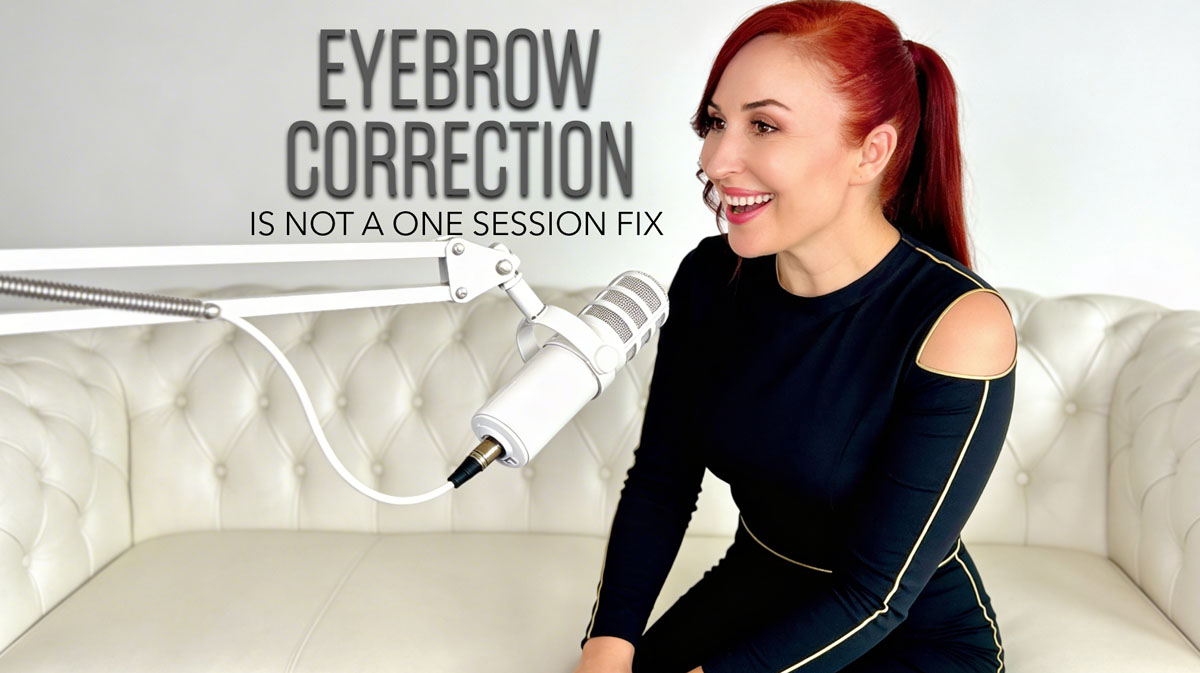
There is a question that comes up almost immediately in an appointment, and it is always asked with a quiet sense of hope. It is not demanding, not unrealistic in tone, but it carries a very specific expectation underneath it.
“Can this be fixed in one session?”
And the answer is never as simple as people want it to be. Not because the result isn’t achievable, and not because the outcome isn’t worth it, but because correction does not operate on speed. It operates on structure. If this were a one-step process, it would already be done correctly the first time. The reality is that brow correction is not about applying something new. It is about working through what already exists in the skin—pigment that has settled, shifted, blended, and changed over time. This is why correction cannot be reduced to a single moment. It is not a quick adjustment. It is a sequence. To understand how this unfolds from the very beginning, this breaks it down clearly: what actually happens during eyebrow correction step by step. Because once you understand the structure of the process, the expectation begins to align with reality.
Why the First Session Is Only the Beginning
The first session often creates the strongest emotional response. There is visible improvement, a sense of relief, and for many clients, the immediate thought is that the problem has been resolved. The color looks more balanced. The shape feels more intentional. The brows begin to resemble what they were always meant to be. And naturally, the reaction is, “We fixed it.” But what you are seeing at that stage is not the final result. It is the first phase of correction—an intentional shift that sets the direction for everything that follows. Because at that moment, the pigment is still fresh, still concentrated, and still in its most visible state. It has not yet settled into the skin, and it has not yet revealed how it will behave once healing begins. This is where understanding the healing process becomes essential: eyebrow color correction healing process. Because what happens after you leave is just as important as what happens during the appointment itself.
The “Healed Reality” That No One Sees on Day One
As the skin begins to heal, the pigment softens, diffuses, and integrates. This is where the brow transitions from what you see immediately to what it actually becomes. This stage is often misunderstood, not because it is unpredictable, but because it is rarely explained in detail. The shift that occurs is not a sign that something has gone wrong. It is the process working exactly as it should. The color settles. The intensity reduces. The tone adjusts. And what is revealed is what I refer to as the “healed reality”—the true state of the brow after the skin has completed its initial response. This is the point where the work becomes visible in a different way. Not as a fresh result, but as a stable one. And this is the moment where the next step becomes clear.
Why the Second Session Is Where Precision Happens
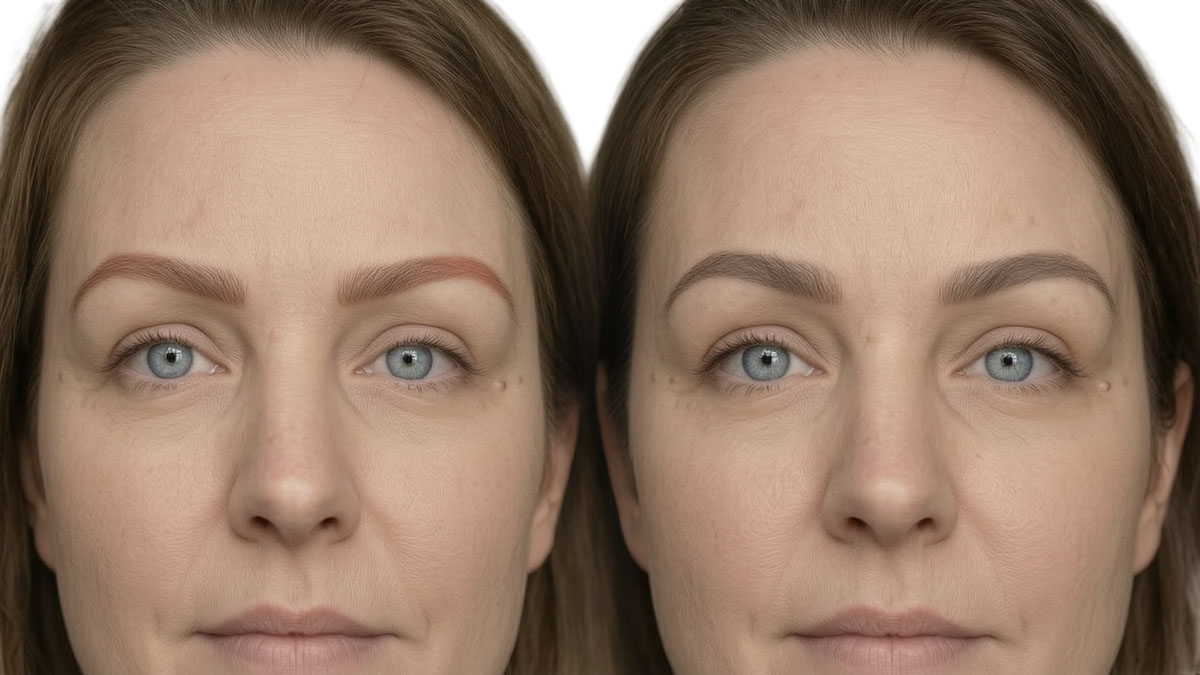
The second session is not a repetition of the first. It is a refinement based on information that was not available before. It is where the process becomes more precise, more controlled, and more targeted. At this stage, it is possible to see what remained, what softened, and what requires adjustment. The brow is no longer in its initial state. It has responded, and that response provides direction. This is why the second session is not optional. It is essential. Because without it, the process remains incomplete. The foundation has been set, but the refinement has not been fully executed. And that refinement is what brings the brow into balance. This is also where long-term stability begins to take shape, which we explore here: how to make eyebrow correction last longer. Because longevity is not created in a single step. It is built through correct sequencing.
The Seam: Where Old and New Meet
Between the first and second session, there is often a moment where clients begin to observe their brows more closely. Not critically, but attentively. And sometimes, they notice a subtle transition—an area where the old pigment and the new pigment meet. This is not a flaw. It is a sign that the brow has been approached with precision rather than being overworked.
If everything were blended aggressively in one session, the result might appear uniform initially, but it would lack control as it healed. By working in stages, the integrity of each layer is maintained, allowing for a more accurate refinement in the next session. This is where correction differs from quick fixes. It does not aim to mask transitions immediately. It aims to resolve them correctly over time.
Why Correction Requires More Than Application
Standard brow work focuses on creation. Correction focuses on resolution. And resolution requires a different level of analysis.
Each brow carries its own history. Previous treatments, pigment types, depth, saturation, and skin response all contribute to how that brow behaves. This is why no two correction cases are identical. This is also why experience plays such a critical role: why experience matters more in eyebrow correction than anywhere else. Because recognizing these variables—and knowing how to respond to them—is what allows the process to move forward with precision rather than assumption. Brow correction is rarely as simple as choosing a new color and working over the old pigment, which is why our eyebrow tattoo repair and redo approach begins with a careful evaluation of what is already in the skin.
When a Third Session Becomes Necessary
For many clients, two sessions are sufficient to bring the brows into balance. But there are cases where additional complexity requires a third stage. This is not a setback. It is a reflection of what is present in the skin. Multiple tones, deeper saturation, or layered pigment from previous work can create a situation where correction must be approached in phases. Each phase builds on the last, gradually bringing the brow back into a controlled state. This is where expectations must shift from speed to outcome. Because the goal is not to finish quickly. The goal is to finish correctly. Some cases that look like a simple color problem are actually examples of botched eyebrow tattoo work that needs a more complete repair strategy.
The Real Perspective
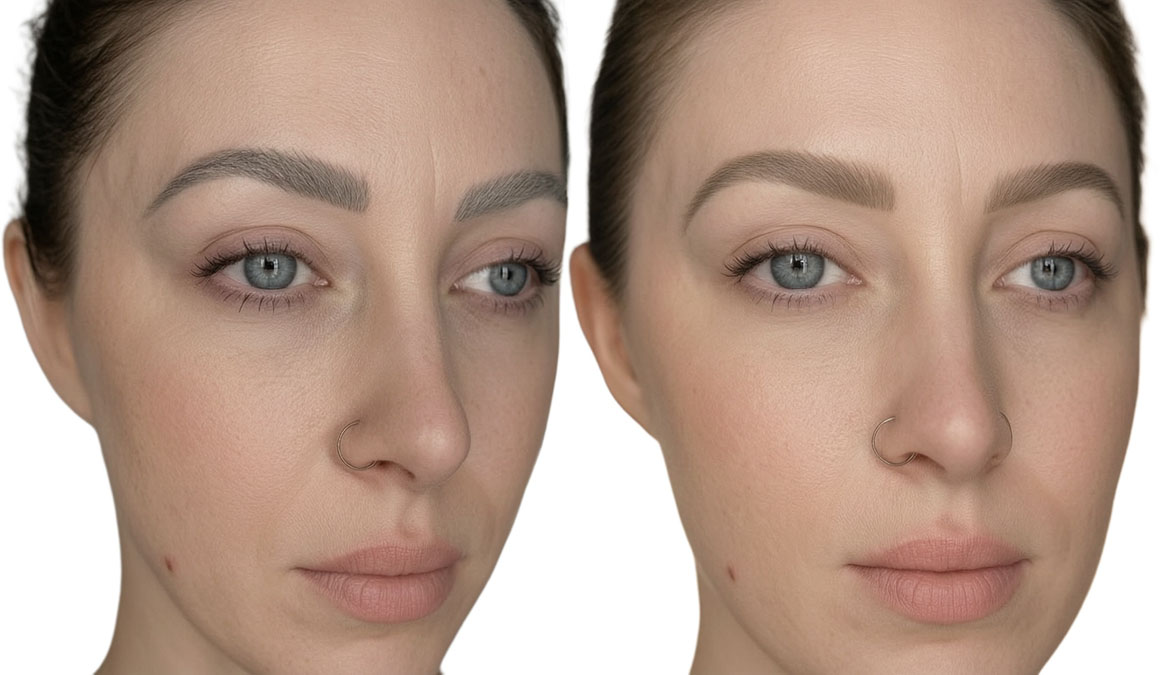
Correction is not a one-session solution because it is not a one-layer problem. It is a process that unfolds through stages, each one informed by the last. When this is understood, the experience changes. Instead of asking, “Is this finished?” the focus becomes, “Is this progressing as it should?” And that shift is what allows the process to feel structured, intentional, and ultimately successful.
Why Rushing Correction Leads to Long-Term Problems
There is a natural instinct to want resolution quickly, especially when something feels off. Brows are not a distant feature. They are visible every day, in every reflection, in every photo. And when they do not feel right, the desire to fix them immediately is completely understandable. But correction does not reward urgency. It rewards control. When the process is rushed, the skin is overworked, pigment is layered without proper adjustment, and the long-term result becomes less predictable. What may look like improvement in the moment can become complexity later. This is why correction is structured the way it is. Not to extend the process unnecessarily, but to ensure that each step supports the next.
From Uncertainty to Understanding
One of the most noticeable shifts in correction is not just visual—it is emotional. At the beginning, there is often uncertainty. Questions. A level of hesitation. But as the process unfolds, that uncertainty begins to change. Not because everything is complete immediately, but because there is clarity around what is happening and why. This is where understanding replaces overthinking. Where observation replaces doubt. And where trust becomes informed rather than assumed. This journey is explored more here: what it feels like to go through eyebrow correction. Because the experience of correction is not just about the brows. It is about how you feel throughout the process.
Why Every Brow Follows Its Own Timeline
No two correction cases follow the exact same timeline. Even when brows appear similar on the surface, their behavior beneath the skin can differ significantly. Factors such as pigment depth, previous layering, skin condition, and healing response all influence how the process unfolds. This is why comparison can be misleading. This is explained further here: why some brows take longer to fix than others. Because the timeline is not a reflection of success or failure. It is a reflection of what is required for that specific case.
From Correction to Stability
The goal of correction is not just to improve the appearance of the brow in the short term. It is to create a result that remains stable over time. This means reducing the need for repeated adjustments, preventing unnecessary buildup, and allowing maintenance to become controlled rather than reactive. When correction is done properly, the brow no longer feels like something that needs constant attention.
Frequently Asked Questions
Can eyebrow correction ever be done in one session?
In most cases, no. Because correction involves working through existing pigment and allowing the skin to heal and respond, multiple sessions are required to achieve a stable, balanced result.
Why do my brows look different after healing?
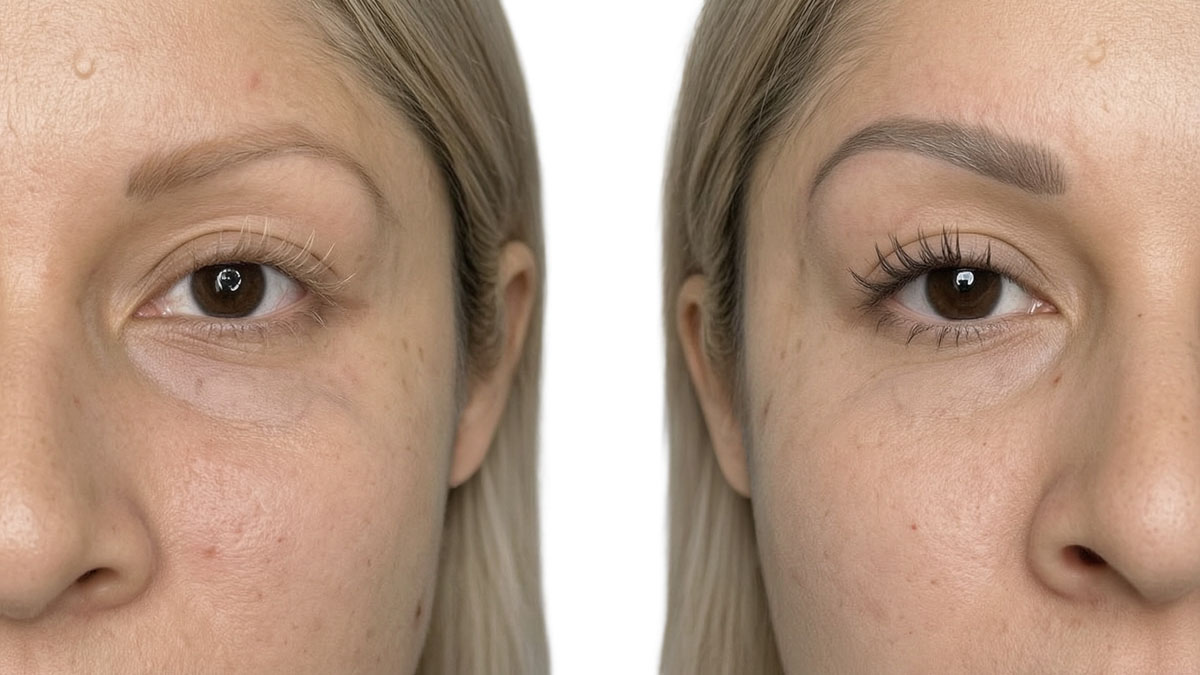
As the skin heals, the pigment softens and integrates. This reveals the true settled result, which is different from the fresh appearance immediately after the appointment.
Is the second session always necessary?
Yes. The second session allows for refinement based on how the pigment has healed. Without it, the result remains incomplete.
Why do I see slight differences between old and new pigment?
This is part of the process. It shows that the brow has been worked with precision rather than being over-saturated. The second session blends these transitions.
Does needing more sessions mean something is wrong?
No. It means the case requires more detailed correction. More complex pigment history or saturation may require additional stages.
Why can’t everything be done at once?
Because the skin’s response cannot be fully predicted on day one. Healing reveals how the pigment behaves, and that information guides the next step.
Will my brows keep changing over time?
All pigment evolves and changes gradually, but proper correction creates a more stable foundation, reducing unpredictable changes.
How do I know if I’m on the right track?
If your brows are improving in stages and the process has been clearly explained, you are moving through correction correctly.
The Final Takeaway
Eyebrow correction is not a single event. It is a guided process built on understanding, timing, and precision. Each session plays a role, and each stage moves the brow closer to balance. When this is respected, the result is not just improved—it is stable, controlled, and aligned with how the brow should behave long-term.
Begin the Process the Right Way
If you are ready to approach correction with clarity and structure, schedule your appointment and begin a process designed for lasting results. Because the goal is not to fix your brows quickly. It is to fix them correctly. If your brows feel unbalanced, inconsistent, or difficult to manage, it may be time to begin a structured correction process. Understanding what a correction involves is the first step.