
There is a point in the life of almost every brow where the question shifts. It is no longer about how the brows were created. It becomes about how they have changed. The strokes feel less defined. The shape, while still present, no longer holds the same crispness it once did. And the question becomes: Why do brows blur, spread, or lose their shape over time?
The answer is not singular. Because brows do not exist on a static surface. They exist within living skin — and that alone changes everything. To understand this fully, it helps to first recognize that correction work is built around understanding how pigment behaves over time, not just how it looks when it is first placed.
The Skin Is Not a Static Canvas
One of the most important shifts in thinking is this: The skin is not a fixed surface. It is active. It moves. It renews. It responds. Every expression, every shift in hydration, every change in environment subtly affects the skin. And because pigment is placed within that skin, it is influenced by those same changes.
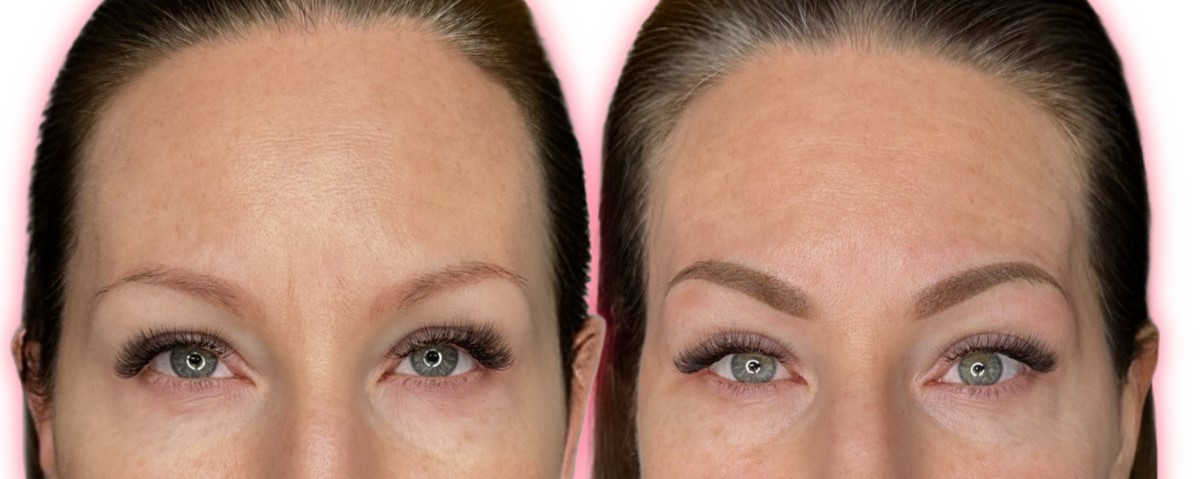
When brows are first created, the pigment appears crisp because it is freshly placed and the surrounding tissue has not yet fully responded. Over time, as the skin continues its natural cycles, that crispness softens. This is not failure. It is integration. Pigment naturally softens as skin changes over the years, which is why blurry microblading correction has become one of the most common services requested today.
Pigment Lives Inside the Skin, Not On Top of It
It is easy to forget that brow pigment is not sitting on the surface like makeup. It is embedded within the skin itself. That means it is subject to everything the skin does:
- cell turnover
- oil production
- movement
- aging
As the tissue shifts, the pigment shifts with it. Lines that once appeared sharp begin to diffuse slightly. Edges soften. The overall appearance becomes more blended. This is a natural progression. It is also one of the reasons why reapplying pigment without adjusting technique can change results over time. The canvas is no longer the same as it was in the beginning.
Movement Softens Structure
The face is constantly in motion. Even the smallest expressions — raising the brows, squinting, smiling — create micro-movements in the skin. Over time, these movements contribute to the softening of pigment. Lines are not rigid. They are flexible within the tissue. And as that tissue moves repeatedly, the pigment within it gradually disperses. This is why sharp strokes do not remain sharp indefinitely. They were never designed to.
Oil and Skin Type Influence Diffusion
Oil production plays a significant role in how pigment behaves. In oilier skin types, pigment tends to diffuse more quickly. This can result in:
- softer edges sooner
- less defined strokes over time
- a more blended overall appearance
In drier skin, pigment may retain its structure slightly longer, but it will still evolve. No skin type preserves crispness permanently. It simply influences the rate and manner in which changes occur.
Thickness of Skin Changes the Outcome
Not all skin behaves the same way. Thicker skin tends to diffuse pigment differently than thinner skin. It may soften more broadly, creating a more blended effect over time. Thinner skin may retain definition slightly longer but can still shift in tone and structure as it ages. This variation is why brow results are never identical from one person to another. The skin itself is part of the outcome.
Depth Influences Spread
Depth is one of the most critical technical factors in how brows age. If pigment is placed too deeply, it can expand within the skin. This expansion leads to a softer, more diffused appearance that may feel less controlled over time. If pigment is placed too superficially, it may fade more quickly.
The balance between these two is where long-term stability is created. This is part of what separates standard application from advanced work, and why specialized correction expertise becomes essential when results begin to shift.
Repetition Changes the Canvas
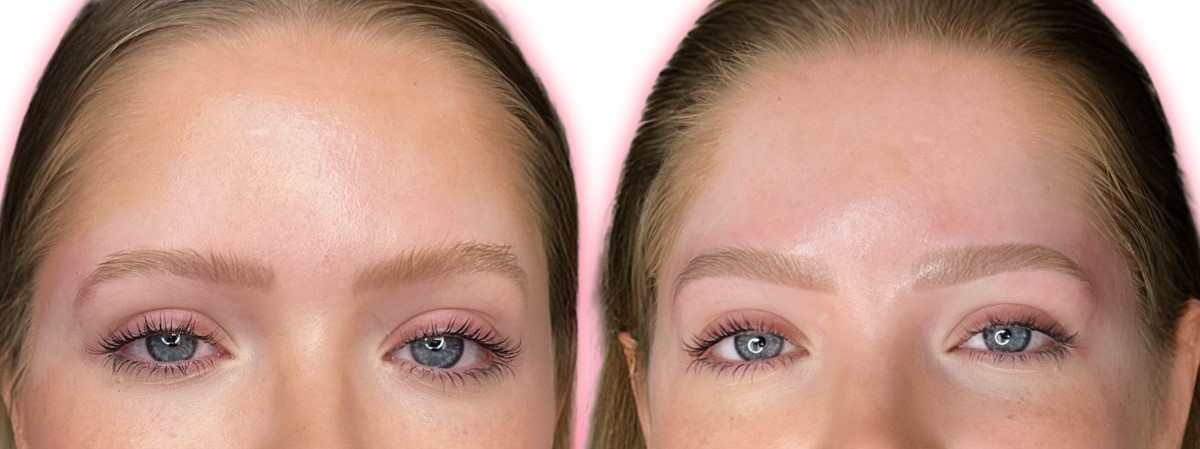
One of the most overlooked factors in brow evolution is repetition. Each time pigment is reapplied, it interacts with what is already present. The skin is no longer untouched. It has history. When the same technique is repeated without adjusting for that history, the result can become:
- denser
- less defined
- more blended than intended
This is not because the technique itself is flawed. It is because the context has changed. Correction work begins at the moment someone recognizes that repeating the same approach will not produce the same result. Repeated procedures can also create overworked brows with heavier pigment build-up, making future corrections more technical.
Layering Reduces Clarity
Layering pigment without strategy is one of the primary reasons brows lose their luster over time. Each layer adds density. Each layer interacts with the previous one. And as those layers accumulate, the space between strokes becomes less visible.
What was once structured begins to appear more solid. This is why so many clients eventually require correction. Not because the original work was necessarily poor, but because layering was not managed with long-term strategy in mind.
Edges Naturally Soften
Even in the most controlled applications, edges will soften over time. This is part of how the skin heals and integrates pigment. It is also part of what allows brows to look natural rather than harsh. The expectation that edges will remain perfectly sharp indefinitely is unrealistic. The goal is not permanent sharpness. It is controlled softness.
Aging Changes Structure
As the skin ages, its structure changes. Collagen levels shift. Elasticity changes. The skin becomes more mobile in some areas and more delicate in others. These changes influence how pigment appears. Lines lose sharpness. Shapes soften. The overall brow evolves with the face itself. This is not something to resist. It is something to understand. Because when it is understood, it can be guided rather than feared.

Not All Blur Is Negative
There is an important distinction to make. Not all blur is a problem. Some softening is natural. Some diffusion is expected. Some change is simply the result of time. The key is understanding the difference between:
- natural evolution
- technique-related changes
- maintenance-related changes
When these are clearly identified, the next step becomes much more precise. Our microblading correction resource center explains the science behind this long-term change.
Technique, Maintenance, and Time Work Together
No single factor determines how brows age. It is always a combination of:
- initial technique
- skin type
- lifestyle
- maintenance decisions
- time
Time, in particular, is always present. It cannot be paused. It cannot be bypassed. It is part of every result. This is why long-term thinking is essential, and why regular reassessment of brows over time is not a flaw in the process — it is part of maintaining control over it.
Results Are Always Evolving
The most important perspective to hold is this: Brow results are not static. They are changing and aging. Every stage of that evolution tells a story about the pigment, the skin, and the decisions made along the way. When approached correctly, that evolution can be guided into something balanced, refined, and appropriate for where the brow is now — not where it was years ago. As shape begins to drift, many clients discover that what originally looked crisp has become a shape correction issue rather than simply faded color.
Final Thought
Brows blur, spread, and lose shape because they exist within living skin, influenced by movement, time, technique, and environment. This is not a flaw in the process. It is the nature of it. The difference between uncontrolled change and refined results is not whether change happens. It is how that change is understood and managed. Because when the process is approached with clarity, experience, and restraint, even evolving brows can remain balanced, natural, and intentional over time.